

When an HVAC failure is a true emergency: Defining the Red Line
In home maintenance, there is a distinct line between an "inconvenience" and a "crisis." Understanding that line is vital for your safety and your wallet. When an HVAC failure is a true emergency, it typically involves a direct threat to your health or the structural integrity of your home.
Health risks are the primary concern. For instance, unintentional carbon monoxide poisoning sends over 100,000 Americans to emergency departments every year. Because this gas is odorless and colorless, your HVAC system’s health is your first line of defense. Beyond gas risks, extreme temperatures can lead to hypothermia or heat stroke, particularly for vulnerable household members. Infants, the elderly, and even your pets lack the ability to regulate body temperature as effectively as healthy adults, making a broken Heating system in the dead of winter a life-threatening situation.
Property damage is the second major factor. A failed furnace doesn't just make you cold; it can lead to frozen pipes that burst and cause thousands of dollars in water damage. Recognizing Signs Your HVAC System Needs Attention Before Temperatures Rise is the best way to stay on the right side of that red line.
9 Signs Your HVAC System is Having a Midlife Crisis

As we move through April 2026, many Northwest Indiana systems are showing their age. Whether you have a traditional furnace or a modern Ductless mini-split, mechanical wear is inevitable. However, certain symptoms indicate that the system has moved past "old" and into "dangerous."
Gas Leaks and Rotten Egg Smells: When an HVAC failure is a true emergency
If you smell rotten eggs, do not ignore it. Natural gas is naturally odorless, so utility companies add a chemical called mercaptan to give it 그 distinctive, unpleasant scent. This is perhaps the most critical scenario where an HVAC failure is a true emergency.
A gas leak in your furnace or piping is a severe explosion and fire risk. If you detect this odor, do not turn on any lights, use a phone inside the house, or try to find the leak yourself. Evacuate everyone—including pets—immediately and call the fire department or your gas company from a safe distance. Once the site is cleared of immediate danger, you will need Specialty Services to repair the source of the leak before the system can be safely restarted.
Extreme Temperature Loss: When an HVAC failure is a true emergency
In Northwest Indiana, "extreme" is a relative term, but for HVAC professionals, we use specific thresholds. If the outdoor temperature is 90°F or higher and your Air Conditioning fails completely, you are in an emergency situation. High heat and humidity can lead to rapid dehydration and heat exhaustion.
Conversely, if it is 40°F or lower outside and your heat goes out, your home's insulation will only protect you for about 8 to 12 hours before internal temperatures become dangerous. Knowing How to Prepare Your Air Conditioner for the First Hot Days of the Year can prevent these sudden summer failures, but if the system dies during a weather extreme, it’s time to call for help.
Electrical Burning and Ozone Odors
If your home starts to smell like burning plastic, ozone, or has a sharp metallic tang, your HVAC system's electrical components may be melting. This is often seen in a failing Heat Pump or air handler where wiring has become loose or frayed.
If your circuit breaker trips repeatedly when the HVAC tries to kick on, do not keep resetting it. The breaker is doing its job by preventing a house fire. Repeatedly forcing the system to run despite an electrical fault is a recipe for disaster. Turn the system off at the thermostat and the breaker box and wait for a professional inspection.
Carbon Monoxide Alarms and Physical Symptoms
Carbon monoxide (CO) is often called the "silent killer." Because you can't see or smell it, you must rely on your CO detectors and your own body's signals. Signs of a CO leak in your Indoor Air Quality include:
- Soot buildup around furnace vents.
- A yellow or flickering burner flame (it should be steady blue).
- Physical symptoms: Unexplained headaches, dizziness, nausea, or confusion that improves when you leave the house.
If your alarm sounds or you feel these symptoms, evacuate immediately. CO poisoning is a medical emergency and requires immediate professional intervention for your HVAC system.
Rapid Short Cycling and Component Stress
Short cycling is when your system turns on and off every few minutes without ever completing a full cooling or heating cycle. While it might seem like a minor annoyance, it’s actually a sign of massive component stress.
Statistics show that roughly 40% of HVAC emergencies begin with thermostat malfunctions or sensor failures that lead to short cycling. This behavior puts immense strain on the compressor—the "heart" of your AC. If left unaddressed, a $200 sensor repair can turn into a total system replacement. Keep an eye out for Common HVAC Issues to Watch for After Winter Ends to catch short cycling before it kills your compressor.
Significant Water Leaks and Flooding
Your air conditioner doesn't just cool the air; it removes moisture. That moisture usually exits through a condensate drain line. If that line clogs, the water has nowhere to go but into your home.
We have seen cases where a clogged drain led to a collapsed ceiling or massive mold growth within the walls. If you see pooling water around your indoor unit or water dripping from a ceiling, shut the system off immediately. Practicing Spring Cleaning for Your HVAC System: Filters, Ducts, and Air Quality can help keep these drains clear, but a major leak is always an emergency to protect your home's structure.
Hissing Sounds and Refrigerant Leaks
If your AC is making a hissing or bubbling sound, you likely have a refrigerant leak. Refrigerant is not a "fuel" that gets used up; it circulates in a closed loop. A leak means there is a hole in your coils or lines.
Low refrigerant causes the evaporator coils to freeze over, often resulting in a block of ice forming on the unit even in 90-degree weather. This forces the compressor to work harder, eventually leading to a total mechanical failure. Because refrigerant handling requires EPA-certified technicians, this is not a DIY fix. Scheduling a Why Spring is the Best Time to Schedule an AC Tune-Up is the best way to spot these leaks while they are still small.
Violent Banging or Grinding Noises
HVAC systems should operate with a steady hum. If yours starts sounding like a dryer full of rocks, something is very wrong.
- Banging: Usually indicates a loose or broken part, like a connecting rod or crankshaft.
- Grinding: Often means the motor bearings have seized or failed.
- Screeching: Typically a slipped or frayed blower belt.
If you hear these sounds, shut the system down immediately. Running a system with a loose internal part can cause "catastrophic" damage, turning a repairable part into a total loss. Reviewing a Spring HVAC Maintenance Checklist: What to Do Before Warmer Weather Arrives can help you identify these sounds early.
Indoor Humidity Spikes Above 70%
In Northwest Indiana, we know humidity. However, your home should be a sanctuary from the mugginess. If your indoor humidity levels spike above 70%, your HVAC system is failing its primary job of moisture control.
High humidity isn't just uncomfortable; it’s a health hazard. It triggers the growth of mold, dust mites, and bacteria, which can cause severe respiratory issues for those with asthma or allergies. If your home feels like a sauna despite the AC running, check our Promotions for dehumidification solutions or emergency repairs to restore your air quality.
Distinguishing Minor Issues from Urgent Problems
Not every bump in the night requires an emergency dispatch. Homeowners who invest in a Maintenance Plan are 50% less likely to experience a true emergency because minor issues are caught during routine tune-ups.
| Symptom | Emergency? | Action Required |
|---|---|---|
| Rotten Egg Smell | YES | Evacuate, call 911/Gas Co. |
| No Heat (Outside < 40°F) | YES | Call Mr. Freeze immediately. |
| Dirty Air Filter | NO | Replace filter yourself. |
| Slightly Uneven Temps | NO | Schedule Our Services during business hours. |
| Burning Smell/Smoke | YES | Shut off power, call for repair. |
| Thermostat Batteries Low | NO | Replace batteries. |
70% of breakdowns happen during peak seasons. If your system is just "underperforming"—maybe it's 75 degrees inside when you want it to be 72—it’s an inconvenience. If it’s 88 degrees inside and rising, it’s an emergency.
Immediate Safety Steps for Northwest Indiana Homeowners

If you find yourself in a situation when an HVAC failure is a true emergency, follow these steps to stay safe until we arrive:
- Safety First: If you smell gas or suspect CO, get everyone out of the house.
- Power Down: If you hear violent noises or smell electrical burning, turn the system off at the thermostat AND the main circuit breaker.
- Shut Off Gas: If you are comfortable doing so, turn off the gas valve leading to the furnace.
- Document: Note any error codes on your thermostat or the LED light on your furnace. This helps our technicians work faster.
- Temporary Climate Control: In winter, open cabinet doors to let warm air reach pipes. In summer, close curtains on the sunny side of the house and use portable fans.
Whether you are in Hammond, Munster, or Crown Point, our team is familiar with the local housing stock and the specific ways Northwest Indiana weather beats up on HVAC units.
Frequently Asked Questions about HVAC Emergencies
What temperature qualifies as a true HVAC emergency?
Generally, if the outdoor temperature is above 90°F or below 40°F, a total system failure is an emergency. This is because standard home insulation only retains a safe indoor temperature for about 8 to 12 hours. Beyond that window, the risk of heat stroke or frozen pipes increases significantly.
When should I call the fire department instead of a technician?
You should call 911 or the fire department if you see smoke, visible sparks, or if your carbon monoxide detector is wailing. If you smell a strong odor of gas, call the gas company first. If you are feeling physically ill (nausea/dizziness), seek medical attention immediately.
How can I prevent an HVAC midlife crisis?
The best defense is a good offense. Change your filters every 1 to 3 months, keep your outdoor condenser clear of cottonwood seeds and debris, and schedule biannual tune-ups. Most "emergencies" are actually the result of small, ignored problems that finally reached a breaking point.
Conclusion
At Mr. Freeze Heating & Cooling, we’ve been keeping Northwest Indiana comfortable since 2006. We understand that a broken furnace or AC isn't just a technical problem—it's a disruption to your family's safety and peace of mind. With our 100% satisfaction guarantee and our deep expertise in the local climate, we are ready to help when the "SOS" light starts flashing.
Don't wait for a midlife crisis to turn into a total system heart attack. Contact our team for expert HVAC solutions today and let us help you stay cool, warm, and safe all year long.
Discover more articles
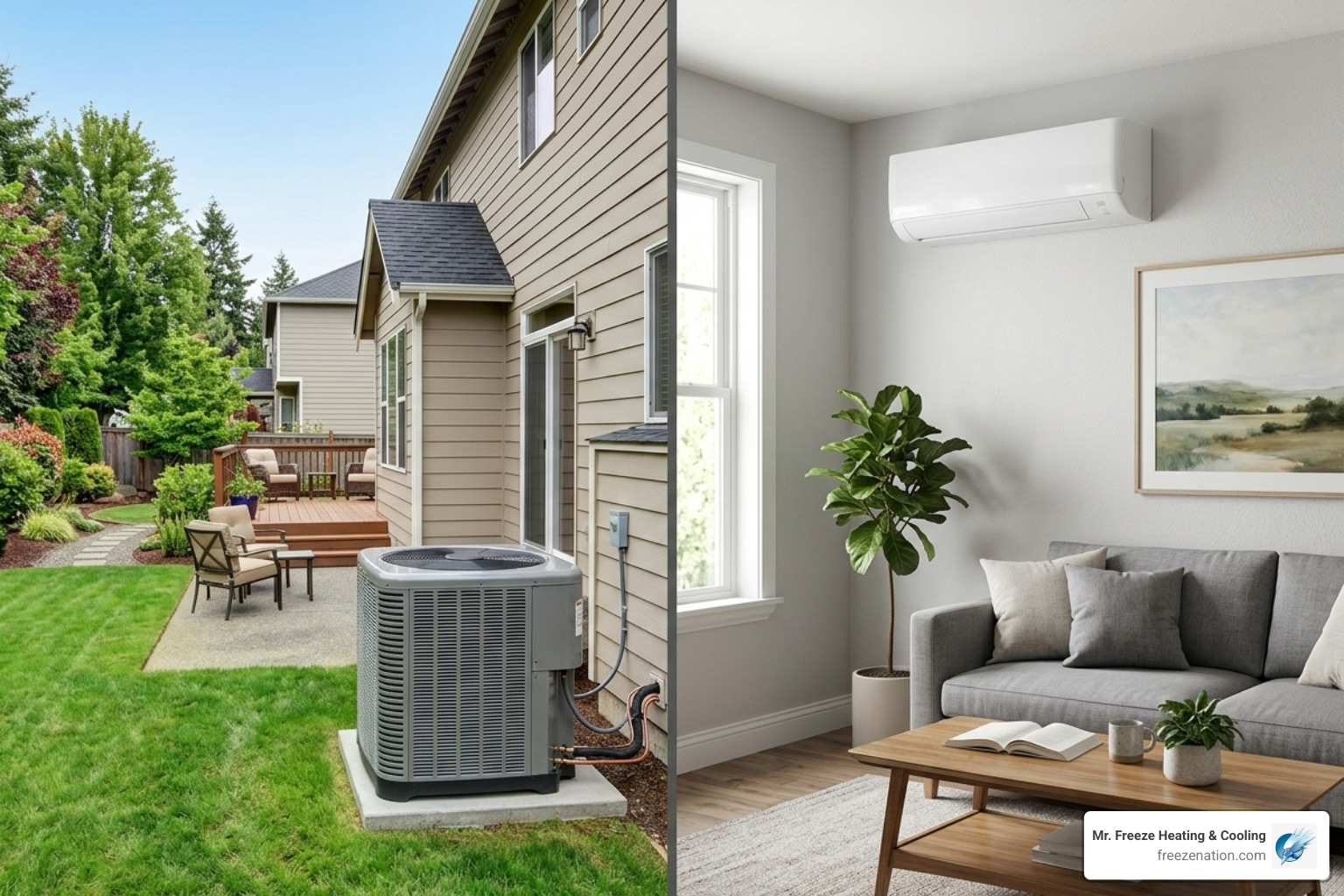
How Much Does It Really Cost to Cool Your Whole House
Compare mini split vs central ac cost comparison in 2026. Discover efficiency, installation, and tax credits for Northwest Indiana homes. Save now!
Switching Gears from Heating to Cooling This Spring
Master your spring hvac transition from heating to cooling: checklist, maintenance tips, and pro advice for efficiency in Northwest Indiana.
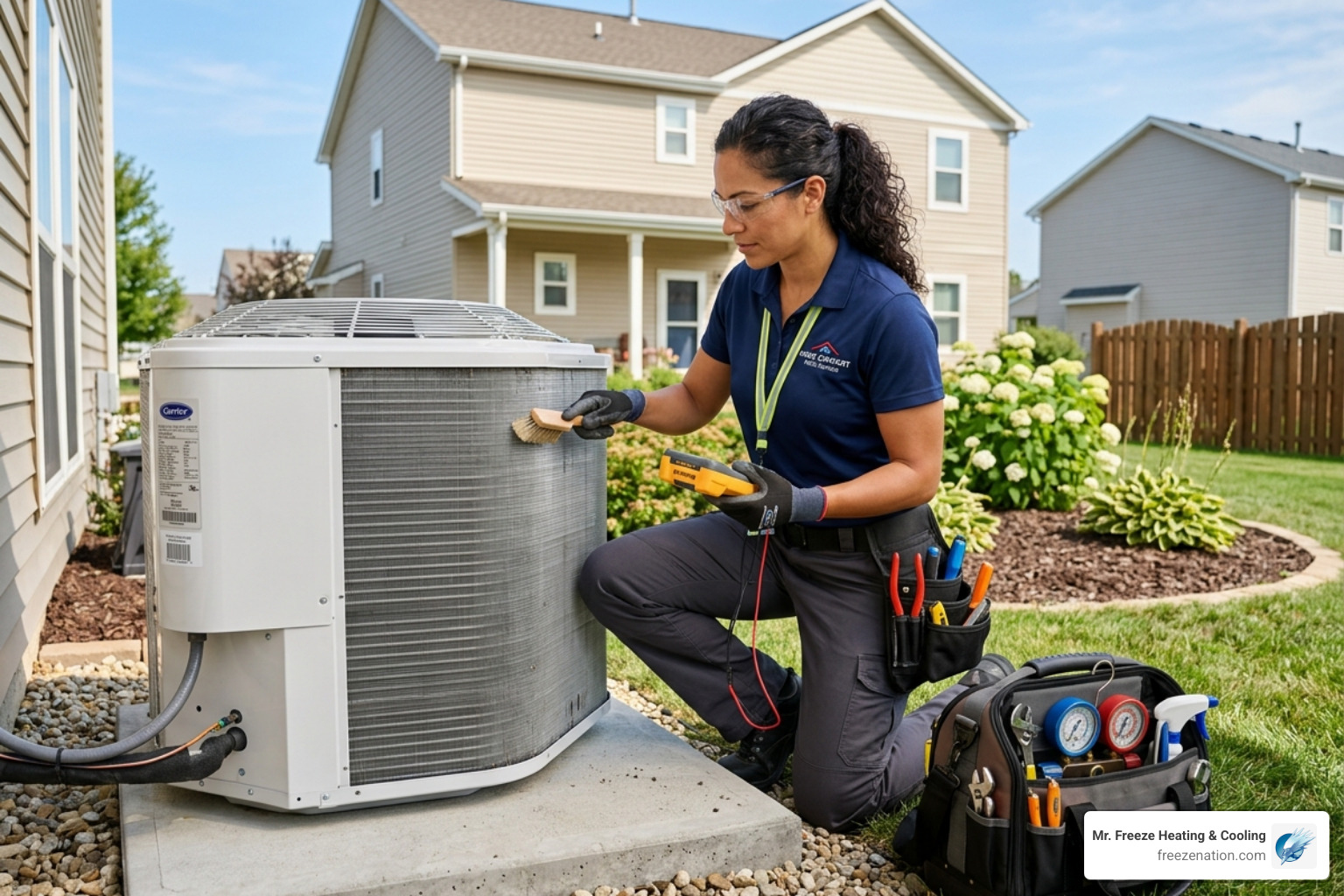
Stop HVAC emergencies before they start with these tips
Learn how to prevent hvac emergencies with maintenance: checklists, warning signs & pro tips for reliability. Save on repairs now!