

Why Knowing How to Prevent HVAC Emergencies with Maintenance Could Save You a Costly Breakdown
How to prevent HVAC emergencies with maintenance comes down to a handful of consistent habits that most homeowners can start today:
- Change air filters every 1–3 months to keep airflow unrestricted
- Schedule professional tune-ups twice a year — spring for your AC, fall for your furnace
- Clear debris from around your outdoor condenser unit regularly
- Flush the condensate drain line every few months to prevent clogs and water damage
- Watch for warning signs like unusual noises, musty odors, or rising energy bills
- Use a smart thermostat to monitor system performance and get filter-change reminders
Your HVAC system quietly keeps your Northwest Indiana home comfortable through brutal summers and freezing winters. But here's the thing — most homeowners don't think about their system until something goes wrong, and that's usually at the worst possible time.
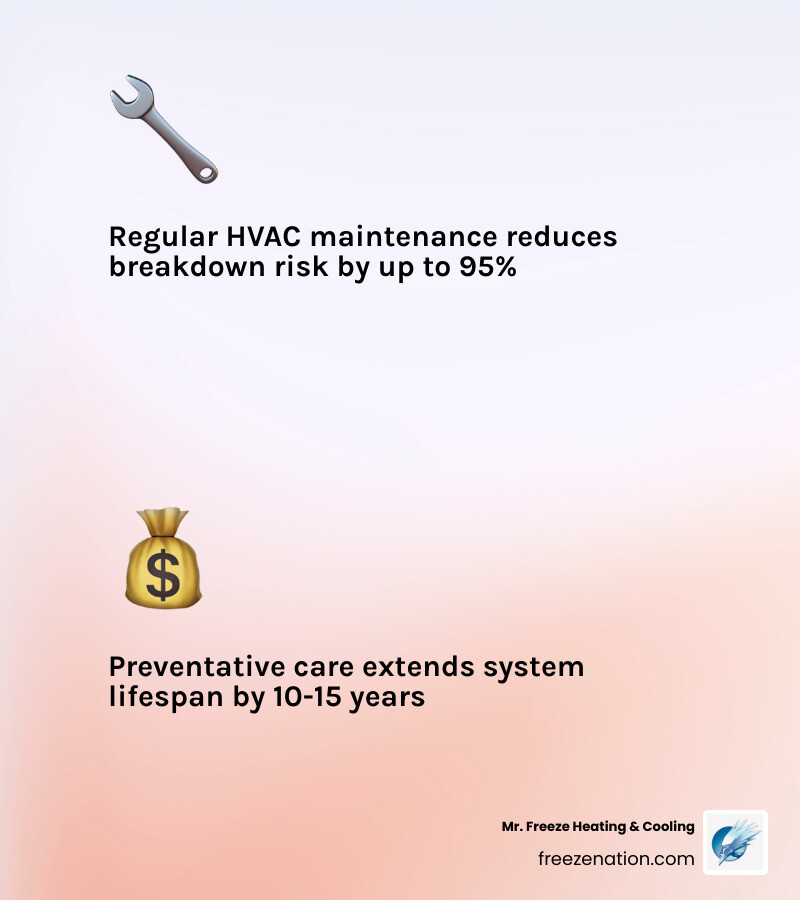
According to research from ABM, regular maintenance can reduce the risk of costly breakdowns by up to 95%. Yet fewer than half of homeowners get their system serviced in any given year. That gap between what's recommended and what actually happens is exactly why so many families end up scrambling for emergency repairs during a July heat wave or a January cold snap.
The good news? Preventing most HVAC emergencies isn't complicated. It mostly comes down to staying consistent with a few straightforward maintenance habits — and knowing when to call in a professional before a small issue turns into a system failure.
Common Causes of HVAC System Failures
To understand how to prevent HVAC emergencies with maintenance, we first need to look at what causes these systems to fail in the first place. In our experience serving the Hammond and Northwest Indiana area since 2006, the vast majority of "sudden" failures aren't sudden at all. They are the result of long-term wear and tear that went unnoticed.
Dirt and Neglect: The Number One Enemy
Dirt is the leading cause of HVAC inefficiency and failure. When dust accumulates on your air filter, it restricts airflow. This forces your blower motor to work twice as hard to move the same amount of air, leading to overheating and eventual motor burnout. Furthermore, dirty evaporator coils can't absorb heat effectively, which often leads to the system "freezing up" even in the middle of a scorching summer.
Electrical and Mechanical Wear
Your HVAC system is a complex machine full of electrical connections, capacitors, and moving parts. Over time, vibrations can cause electrical connections to loosen, leading to shorts or component failure. Capacitors—which act like small batteries to start your motors—can lose their charge or "bulge," causing the system to fail during a startup.
Refrigerant Leaks and Sensor Failures
If your system is low on refrigerant, it's not "using it up"—it has a leak. Running a system with low refrigerant puts immense strain on the compressor, which is one of the most expensive parts to replace. Similarly, thermostat sensors can drift out of calibration, causing the system to short-cycle (turn on and off too rapidly), which wears out the hardware at an accelerated rate. For residents in the region, keeping up with Air Conditioning Maintenance Hammond IN is the best way to catch these small leaks before they destroy your compressor.
How to Prevent HVAC Emergencies with Maintenance
The secret to a reliable home is proactive care. When we perform Luxury Maintenance Schererville IN, we aren't just looking for what's broken today; we are looking for what might break six months from now.
Maintenance prevents emergencies by ensuring every component is operating within its factory-specified parameters. This includes:
- Component Longevity: When parts are clean and lubricated, they experience less friction and heat, allowing them to last for their full 15-to-20-year expected lifespan.
- Energy Efficiency: A well-maintained system can be 15–20% more efficient than a neglected one. This means lower monthly bills and less strain on the local power grid during peak demand.
- Safety Control Testing: We test limit switches and thermocouples to ensure that if a dangerous condition occurs (like a cracked heat exchanger), the system will safely shut itself down.
Smart Controls: How to Prevent HVAC Emergencies with Maintenance
In 2026, technology is one of your best allies in avoiding a crisis. Modern Smart HVAC Crown Point IN systems allow for real-time monitoring. Smart thermostats can track "runtime patterns." If your system usually takes 20 minutes to cool your home but suddenly starts taking 40 minutes, the thermostat can send an alert to your phone before the system fails completely. These devices also provide automated filter alerts based on actual usage rather than just a calendar date.
Seasonal Timing: How to Prevent HVAC Emergencies with Maintenance
Timing is everything. You don't want to find out your AC is broken on the first 90-degree day in June. We always recommend scheduling your tune-ups during the "shoulder seasons."
Why Spring is the Best Time to Schedule an AC Tune-Up is a common question we hear. The answer is simple: it gives you time to fix any discovered issues before the peak summer rush. The same applies to fall furnace checks; catching a cracked igniter in October is much better than losing heat during a Lake County blizzard in January.
Your 2026 Homeowner Maintenance Checklist
While professional service is vital, there are several DIY tasks you can perform to keep things running smoothly. Use this checklist as your guide for how to prevent HVAC emergencies with maintenance on a monthly and seasonal basis.
- Monthly Filter Inspection: Check your filter every 30 days. If you have pets or allergies, you’ll likely need to replace it more often. A high-efficiency MERV 11 or 12 filter is great for air quality but requires more frequent checks because it catches smaller particles.
- Outdoor Unit Clearance: Keep at least two feet of clear space around your outdoor condenser. Trim back shrubs, remove tall weeds, and ensure no mulch or grass clippings are clogging the fins.
- Condensate Drain Flushing: Pour a cup of vinegar down your AC's condensate drain line every few months. This prevents algae and slime from building up, which can cause the drain to back up and trigger a safety switch that shuts down your entire system (or worse, causes water damage to your floor).
- Check Vents and Grilles: Ensure that furniture or curtains aren't blocking your return air or supply vents. Restricted airflow is a leading cause of frozen coils.
For a deeper dive into seasonal prep, check out our Spring HVAC Maintenance Checklist: What to Do Before Warmer Weather Arrives.
Professional Tune-Up Components
When a Mr. Freeze technician arrives for a professional visit, such as Air Conditioning Maintenance Crown Point IN, they perform technical tasks that go beyond the DIY scope. This includes:
- Electrical Tightening: Checking and tightening all wire connections to prevent arcing.
- Coil Cleaning: Using specialized cleaners to remove oxidation and grime from evaporator and condenser coils.
- Refrigerant Pressure Checks: Ensuring the system has the exact charge required by the manufacturer.
- Blower Motor Lubrication: Reducing friction in older motors to prevent overheating.
Identifying Warning Signs of an Impending Crisis
Your HVAC system will often try to "talk" to you before it gives up the ghost. Learning to listen can save you from a midnight emergency call.
Listen for Unusual Noises
A healthy HVAC system should be relatively quiet. If you hear:
- Grinding: This usually indicates a bearing issue in the blower motor.
- Squealing: Often a sign of a slipping or worn fan belt.
- Banging: Could mean a loose part is rattling around inside the housing.
Watch for Performance Changes
If you notice Signs Your HVAC System Needs Attention Before Temperatures Rise, don't ignore them. Frequent cycling (turning on and off every few minutes) is a major red flag. Similarly, if your energy bills spike suddenly without a change in weather, your system is likely struggling with a mechanical issue.
Odors and Airflow
Musty smells often point to biological growth in the drain pan or coils, while a "burning" smell usually indicates an electrical component is overheating. If the air coming out of your vents feels weak or lukewarm, your system is crying out for help.
Immediate Steps During an HVAC Emergency
If your system does fail during extreme weather, follow these steps:
- Safety First: If you smell gas (rotten eggs) or see smoke, evacuate the home immediately and call the gas company or fire department.
- Power Shutoff: If the system is making a loud mechanical noise, turn it off at the thermostat and the circuit breaker to prevent further damage.
- Protect the Vulnerable: If you have infants or elderly family members, find a cooled or heated location (like a library or a neighbor's house) during extreme temperature spikes.
- Contact Us: Reach out for Air Conditioning Maintenance St. John IN or emergency repair services immediately.
The Value of Preventative Care vs. Emergency Repairs
Many homeowners wonder if a maintenance plan is worth the investment. When you look at the data, the choice becomes clear. A typical HVAC replacement can cost thousands, while a routine tune-up is a fraction of that.
| Feature | Routine Preventative Maintenance | Reactive Emergency Repair |
|---|---|---|
| Cost | Low, predictable annual investment | High, unpredictable emergency rates |
| System Lifespan | Maximized (up to 20 years) | Shortened due to excessive strain |
| Efficiency | Peak performance; lower utility bills | Reduced efficiency; higher monthly costs |
| Convenience | Scheduled at your convenience | Happens at the worst possible time |
| Warranty Status | Keeps manufacturer warranty valid | May void warranty due to neglect |
| Air Quality | Clean filters and coils improve IAQ | Dirty components circulate dust/allergens |
By enrolling in a Maintenance Plan, you ensure that your system is always in top shape, which is the ultimate answer to how to prevent HVAC emergencies with maintenance.
Frequently Asked Questions about HVAC Maintenance
How often should I change my air filters to prevent a breakdown?
In Northwest Indiana, we recommend checking your filter every month. Most homeowners find they need to change it every 60 to 90 days. However, if you have pets, live near a dusty construction site, or have family members with allergies, you should change it every 30 days. A clogged filter is the fastest way to kill an HVAC system.
What is the best time of year to schedule professional service?
The "Goldilocks" times are spring (March through May) for your air conditioner and fall (September through November) for your furnace. Scheduling during these times ensures your system is ready for the upcoming extreme temperatures and allows you to avoid the busiest weeks for HVAC technicians.
Can a smart thermostat really help avoid system failures?
Yes! Beyond just saving energy, smart thermostats provide critical diagnostic data. They can alert you if the indoor temperature is rising despite the AC being "on," or if the system is running for unusually long periods. These early warnings allow you to call for service before a total shutdown occurs.
Conclusion
At Mr. Freeze Heating & Cooling, we’ve seen how a little bit of prevention goes a long way. Since 2006, our mission has been to keep our neighbors in Hammond, Munster, Crown Point, and across Northwest Indiana comfortable without the stress of unexpected breakdowns.
How to prevent HVAC emergencies with maintenance isn't just about saving money—it's about the peace of mind that comes from knowing your family will be safe and comfortable, no matter what the Indiana weather throws at you. With our 100% satisfaction guarantee and honest, upfront pricing, we make it easy to stay ahead of the curve.
Don't wait for a breakdown to happen. Explore our full line of HVAC services today and let us help you keep your home running smoothly all year long.
Discover more articles
Why Northwest Indiana Residents Need a Spring HVAC Tune-Up
Schedule spring ac and hvac maintenance for northwest indiana now! Boost efficiency, cut bills 30%, ensure reliability before summer heat hits NWI.
A Complete Spring Air Filter Replacement Guide for Fresh Air
Master your spring air filter replacement guide: HVAC, car engine & cabin filters. Boost efficiency, cut allergies & save energy now!

Common HVAC Issues to Watch for After Winter Ends
Watch for common HVAC issues after winter ends with guidance from Mr. Freeze to keep your system reliable. Learn more and prevent costly repairs.