

As winter fades and temperatures begin to climb, spring is the ideal time to make sure your HVAC system is ready for the months ahead. Cold weather can take a toll on heating and cooling equipment, and waiting until the first hot day to address issues often leads to unnecessary stress, higher repair costs, and uncomfortable indoor conditions. A proactive spring HVAC maintenance routine helps ensure reliable performance, improved efficiency, and fewer surprises when you need your system most.
Below is a practical spring HVAC maintenance checklist designed to help homeowners prepare their systems before warmer weather arrives.
Replace or Clean Your HVAC Air Filters?
One of the simplest yet most important steps in spring HVAC maintenance is replacing or cleaning your air filters. During winter, filters often collect dust, pet dander, and other airborne particles as your heating system runs regularly. A clogged filter restricts airflow, making your system work harder and reducing indoor air quality.
In spring, replacing the filter gives your system a clean start for cooling season. A fresh filter improves airflow, helps maintain consistent temperatures, and reduces strain on critical components. Most standard filters should be changed every one to three months, depending on household conditions such as pets or allergies.
Inspect the Outdoor Unit
Your outdoor air conditioning unit has likely been exposed to snow, ice, debris, and wind throughout the winter. Before turning it on for the season, it’s important to visually inspect the unit.
Clear away leaves, branches, dirt, or grass buildup from around the condenser. Make sure there is at least two feet of clearance on all sides to allow proper airflow. Check for visible damage to fins or refrigerant lines, and ensure the unit is level on its base. If the unit appears tilted or damaged, it’s best to have it inspected before operating it.
Check Thermostat Settings and Performance
Spring is a good time to review your thermostat settings and confirm it’s functioning correctly. Test the system by switching from heating to cooling mode and ensuring the system responds properly.
If you use a programmable or smart thermostat, review your schedules and update them for spring and summer routines. Proper programming can help maintain comfort while reducing energy use. If your thermostat is outdated or not accurately controlling temperatures, upgrading may provide better control and efficiency.
Examine Ductwork and Vents
Your ductwork plays a major role in how efficiently your HVAC system delivers conditioned air throughout your home. During spring maintenance, check visible duct sections for loose connections, damaged insulation, or signs of leaks.
Inside the home, make sure supply and return vents are unobstructed by furniture, rugs, or curtains. Dust buildup around vents can indicate airflow issues and should be cleaned. Leaky or poorly sealed ducts can lead to uneven temperatures and higher energy bills, so addressing these issues early can make a noticeable difference.
Test the Air Conditioner Before You Need It
Rather than waiting for the first hot day of the year, test your air conditioner during mild spring weather. Turn the system on and let it run for a short period while monitoring performance.
Pay attention to unusual noises, weak airflow, inconsistent cooling, or odd smells. These symptoms can indicate underlying issues such as electrical problems, worn components, or refrigerant concerns. Catching problems early often leads to simpler and more affordable repairs compared to emergency breakdowns during peak demand.
Clean Drain Lines and Check for Moisture Issues
Your air conditioning system removes humidity from the air, which creates condensation that drains away through a condensate line. Over time, this line can become clogged with algae or debris.
Spring is a good time to ensure the drain line is clear and functioning properly. A clogged drain can cause water leaks, increased indoor humidity, or even system shutdowns. If you notice standing water near the indoor unit or musty odors, the drain system may need attention.
Inspect Electrical Components and Connections
Electrical connections can loosen over time due to vibration and seasonal temperature changes. While homeowners should not attempt electrical repairs themselves, it’s important to be aware of warning signs.
If you notice flickering lights when the system starts, frequent breaker trips, or delayed startup, these could indicate electrical issues. Having these components inspected during spring maintenance helps ensure safe operation and reliable performance throughout the cooling season.
Schedule Professional HVAC Maintenance
While many spring maintenance tasks can be handled by homeowners, professional HVAC maintenance is a key part of keeping your system running efficiently. A trained technician can perform a comprehensive inspection, clean internal components, check refrigerant levels, test safety controls, and identify wear before it becomes a larger problem.
Spring is one of the best times to schedule professional maintenance because technicians can address issues before peak summer demand. Regular maintenance not only helps prevent unexpected breakdowns but can also extend the lifespan of your equipment and maintain manufacturer warranty requirements.
Review Energy Efficiency and System Performance
Spring is an ideal time to evaluate how well your HVAC system is meeting your needs. If you experienced uneven temperatures, rising energy bills, or frequent repairs over the past year, those are signs your system may not be operating as efficiently as it should.
Discussing efficiency improvements, airflow adjustments, or system upgrades during spring allows you to plan ahead rather than rushing decisions during extreme weather. Even small improvements can lead to noticeable comfort gains and long-term energy savings.
Prepare Now for a Comfortable Cooling Season
Taking time in spring to complete an HVAC maintenance checklist can save you from unnecessary stress later in the year. Addressing minor issues early helps ensure dependable cooling, better indoor air quality, and more consistent comfort as temperatures rise.
A well-maintained HVAC system doesn’t just perform better — it operates more efficiently, lasts longer, and helps protect your home from sudden breakdowns. Spring is the season of preparation, and your HVAC system is no exception.
Discover more articles
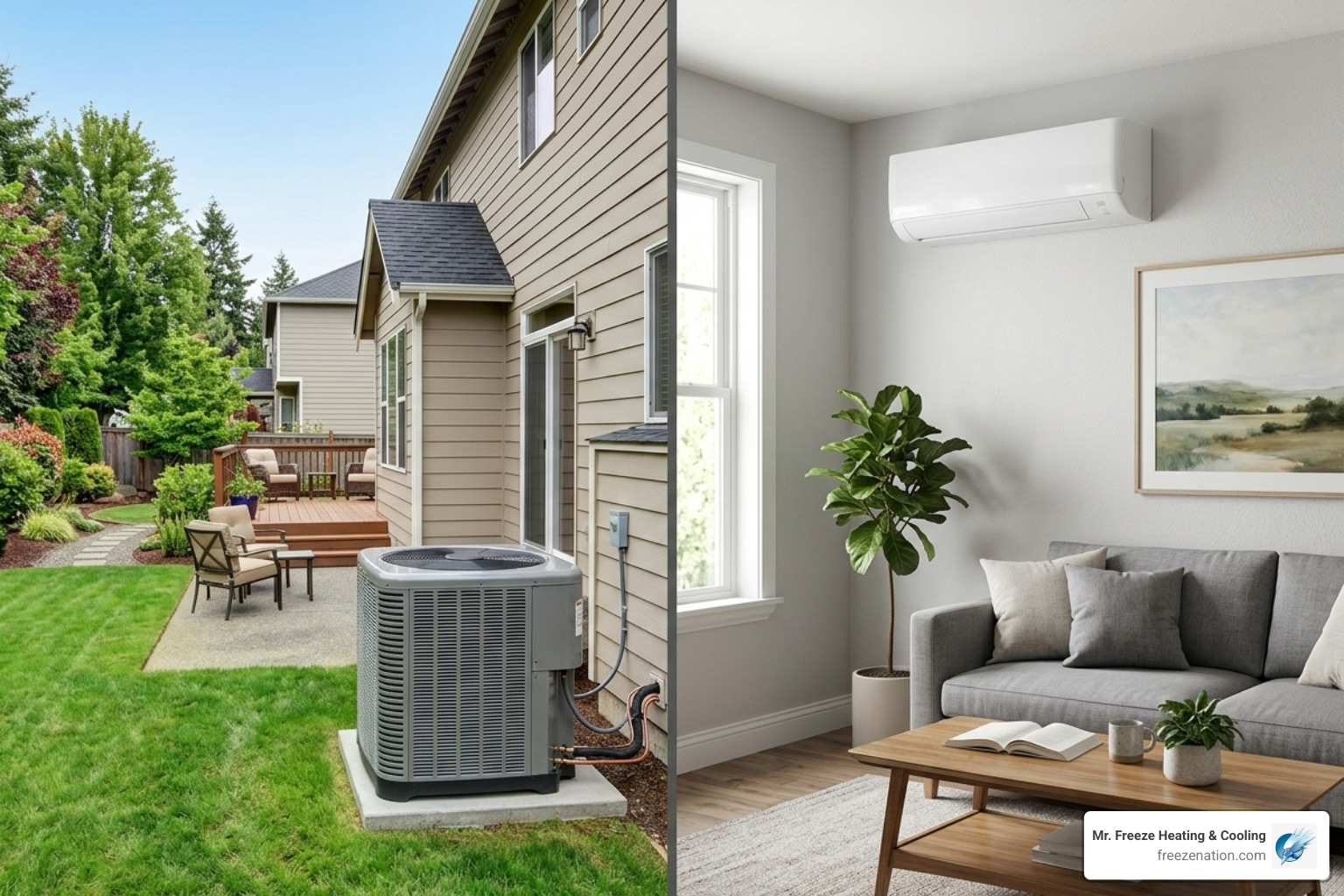
How Much Does It Really Cost to Cool Your Whole House
Compare mini split vs central ac cost comparison in 2026. Discover efficiency, installation, and tax credits for Northwest Indiana homes. Save now!

Why Northwest Indiana Businesses Are Simply Built Different
Discover advantages of a locally owned Northwest Indiana business: economic multipliers, resilience, affordability & community impact.

Why Your HVAC Needs a Local Expert Who Knows the Local Weather
Discover how local climate expertise translates to better solutions for NWI HVAC. Boost efficiency, air quality & resilience with expert tips!