


Is Your HVAC System Ready for Summer? What Northwest Indiana Homeowners Need to Know
Spring AC and HVAC maintenance is one of the most important things you can do as a homeowner before the summer heat arrives in Northwest Indiana. Heating and cooling account for nearly 50% of your home's energy costs — and a system that hasn't been serviced since last year is already working harder than it should.
Here's a quick overview of what spring HVAC maintenance involves:
Spring AC & HVAC Maintenance Checklist
- Replace or inspect the air filter (every 30–90 days)
- Clean the outdoor condenser unit — remove debris, trim vegetation to 2 feet clearance
- Test the thermostat — switch to cool mode and check performance
- Clear the condensate drain line — prevent water damage and mold
- Inspect vents and returns — clear obstructions, vacuum dust buildup
- Schedule a professional tune-up — refrigerant check, electrical inspection, coil cleaning, and more
Most HVAC failures happen on the hottest day of the year — not because of one big problem, but because of small issues that built up over time. A spring tune-up catches those problems early, before they turn into emergency repairs during a July heat wave.
For Northwest Indiana homeowners, spring is the ideal window. Temperatures are still mild, HVAC technicians are more available, and you have time to address any issues before your system faces peak demand. Whether you're doing a few quick DIY checks or scheduling a full professional tune-up, getting ahead of summer now is always the smarter move.
Why Spring AC and HVAC Maintenance is Essential Before Summer
As we transition from the chilly winds off Lake Michigan in April 2026 to the humid afternoons typical of a Northwest Indiana summer, your comfort depends entirely on a reliable cooling system. Spring AC and HVAC maintenance isn't just a suggestion; it’s the primary defense against a mid-July breakdown. Think of it like an oil change for your car. You wouldn't drive across the country without checking your fluids, and you shouldn't ask your air conditioner to run 24/7 for three months without a proper tune-up.
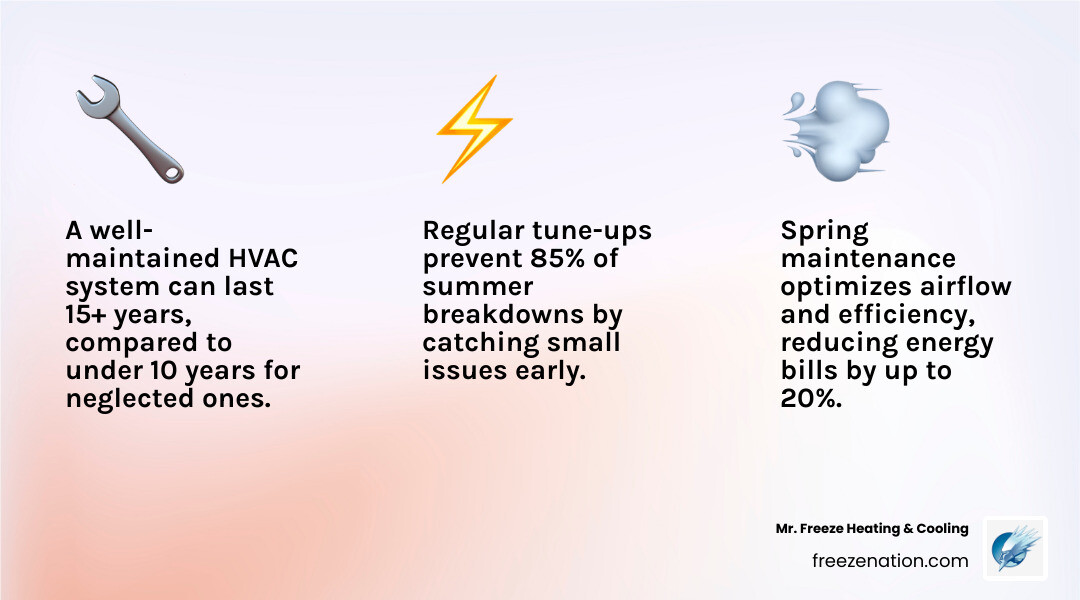
Preventative care ensures that your system is physically capable of handling the heavy load. During the winter, dust settles, components can stiffen from disuse, and outdoor units often become clogged with dead leaves or nesting materials from local wildlife. By addressing these small hurdles in the spring, you extend the overall lifespan of your equipment. A well-maintained system can last 15 years or more, whereas a neglected one might fail before it hits the decade mark.
If you aren't sure if your system is ready, keep an eye out for signs your HVAC system needs attention before temperatures rise. Catching a frayed wire or a slow refrigerant leak now is much easier (and less stressful) than dealing with a total system failure when it's 95 degrees in Hammond or Munster. To learn more about how we can help, you can explore more info about our services.
Maximizing Efficiency and Lowering Energy Bills
Heating and cooling your home accounts for roughly 50% of your total electricity bill. When your system is dirty or poorly calibrated, it has to run longer and work harder to reach the temperature set on your thermostat. This "overwork" translates directly into higher utility costs.
Airflow optimization is the key to efficiency. When your coils are clean and your filters are fresh, air moves freely, and heat exchange happens rapidly. Research shows that a well-maintained HVAC system can cut cooling costs by 20% to 40%. Conversely, simple airflow problems can reduce your system's efficiency by up to 15% almost immediately.
| System Condition | Energy Efficiency | Monthly Utility Impact | Risk of Breakdown |
|---|---|---|---|
| Maintained (Annual Tune-up) | Peak (100%) | Lowest possible | Very Low |
| Neglected (2+ Years) | Reduced (70-85%) | 15-30% Increase | High |
| Dirty Filters/Coils | Poor (under 70%) | Significant Spike | Critical |
By following a spring HVAC maintenance checklist, you ensure every watt of electricity you pay for is actually going toward cooling your home rather than fighting against friction and dust.
Improving Indoor Air Quality for Your Family
In Northwest Indiana, spring brings more than just sunshine; it brings a heavy pollen count. Your HVAC system is your home's first line of defense against outdoor allergens. If your system is clogged with last year's dust, it isn't filtering the air—it's recirculating contaminants.
Effective spring AC and HVAC maintenance includes a deep dive into spring cleaning for your HVAC system: filters, ducts, and air quality. Proper maintenance helps with:
- Allergen Reduction: Trapping pollen and mold spores before they reach your living room.
- Dust Control: Preventing "dust bunnies" from accumulating in the ductwork and blowing onto your furniture.
- Humidity Management: A clean AC unit removes moisture from the air more effectively, preventing that "sticky" feeling inside during a humid Indiana June.
Essential DIY Tasks for Spring AC and HVAC Maintenance
While professional service is vital for the technical components, there are several high-impact tasks you can handle yourself to prepare your air conditioner for the first hot days of the year. Taking ownership of these simple steps can prevent minor issues from snowballing into major headaches.
Cleaning and Maintaining the Outdoor Condenser Unit
Your outdoor unit (the condenser) is responsible for releasing the heat gathered from inside your home. If it's "choked" by debris, it can't breathe.
- Clearance: Ensure there is at least a 2-foot "no-fly zone" around the unit. Trim back any shrubs, weeds, or tall grass that grew during the fall and winter.
- Debris Removal: Remove any leaves, twigs, or trash that have accumulated against the fins.
- Gentle Rinsing: Using a standard garden hose (never a pressure washer, which can bend the delicate metal fins), gently rinse the exterior of the unit from the top down to wash away dirt and pollen.
- Leveling: Check to see if the concrete pad the unit sits on has shifted. A unit that isn't level can cause the oil in the compressor to distribute unevenly, leading to premature wear.
Properly maintaining your air conditioning unit's exterior is a 15-minute job that can save you hours of discomfort later.
Managing Your HVAC Air Filters
Replacing your air filter is the single most effective DIY task for maintaining system health. A dirty filter restricts airflow, making the blower motor work 15% harder and potentially causing the evaporator coil to freeze over.
- Frequency: Check your filter once a month. In homes with pets or smokers in cities like Gary or Crown Point, you may need to replace it every 30 days. At a minimum, change it every 90 days.
- MERV Ratings: Look for a filter with a MERV rating between 8 and 11. These provide a great balance between high-quality filtration and unrestricted airflow.
- Orientation: Always check the arrows on the filter frame to ensure you are installing it in the correct direction of the airflow.
Whether you have a traditional furnace for heating or a modern heat pump, the filter is the "lungs" of the system. Keep them clean!
What to Expect During Professional Spring AC and HVAC Maintenance
There are parts of your system that require a trained eye and specialized tools. When we perform a professional tune-up, we go beyond the surface. This is why spring is the best time to schedule an AC tune-up—we can find the "ghosts in the machine" before they haunt you in July.
A professional visit typically includes:
- Tightening Electrical Connections: Vibration during operation can loosen wires, which is a leading cause of component failure.
- Lubricating Moving Parts: Reducing friction in the motors lowers energy consumption and prevents overheating.
- Testing Safety Controls: We ensure the system shuts down correctly if a problem is detected, protecting your home from electrical or fire hazards.
Checking Refrigerant Levels and Condensate Drains
Refrigerant is the lifeblood of your cooling system. Unlike gas in a car, refrigerant isn't "used up." If your levels are low, it almost certainly means you have a leak. We use precision gauges to check pressures and identify leaks early. This is especially important for a heat pump, which works year-round and faces double the wear and tear.
We also focus heavily on the condensate drain line. As your AC cools the air, it pulls out moisture. That water needs to go somewhere. If the drain line is clogged with algae or dust, that water can back up into your home, causing thousands of dollars in water damage to your floors or ceilings. We flush these lines and can provide algae treatments to keep them flowing freely all summer long.
Inspecting Ductwork and Blower Components
Did you know the average forced-air system loses 20% to 30% of its conditioned air to duct leakage? That’s air you’ve paid to cool that never actually reaches your bedroom. During a spring visit, we look for common HVAC issues to watch for after winter ends, such as disconnected ducts or fallen insulation.
We also measure the blower motor's amperage and the system's static pressure. If the blower is drawing too much power, it’s a sign that the motor is failing or that there’s a major blockage in your vents. Catching this in April means a simple part replacement; ignoring it until August could mean a dead motor and a very hot house.
When to Call for Immediate Professional HVAC Service
Sometimes, DIY maintenance reveals a problem that needs an expert immediately. If you notice any of these "red flags" while doing your spring checks, don't turn the system on until a pro has looked at it:
- Frozen Coils: If you see ice on the copper lines or the indoor coil, stop. This usually indicates a refrigerant leak or a severe airflow restriction.
- Unusual Noises: Squealing, banging, or grinding sounds are cries for help from your motors or belts.
- Burning Smells: An electrical "ozone" smell or a dusty burning odor that doesn't go away after five minutes of operation needs an immediate inspection.
- Frequent Cycling: If the unit turns on and off every few minutes (short-cycling), it’s likely overheating or has a faulty sensor.
- Warm Air: If the air coming from the vents isn't significantly cooler than the room temperature after 10 minutes, your compressor may not be engaging.
Having a maintenance plan is the best way to ensure these issues are caught during a routine visit rather than an emergency call-out.
Frequently Asked Questions about Spring Maintenance
When is the best time to schedule a spring HVAC tune-up?
The "Sweet Spot" is between late March and early May. By scheduling early, you avoid the "Summer Rush" when technicians are booked weeks in advance for emergency repairs. You’ll get better appointment flexibility and the peace of mind that your system is ready before the first 80-degree day hits Northwest Indiana.
How often should I replace or clean my HVAC air filters?
For most homes in the Hammond and Highland area, every 60 to 90 days is standard. However, if you have multiple pets, suffer from severe allergies, or live near a construction site with lots of dust, you should check the filter every 30 days. High-efficiency pleated filters are excellent for indoor air quality but need more frequent monitoring because they trap so much debris.
What common mistakes should homeowners avoid during spring AC maintenance?
- Pressure Washing Coils: The high pressure from a power washer will flatten the aluminum fins on your condenser, blocking airflow and potentially ruining the unit. Use a gentle garden hose only.
- Forgetting Winter Covers: If you used a plastic cover or a tarp to protect your unit from snow, make sure it is 100% removed before you test the AC. Running the unit with a cover on will cause it to overheat and fail almost instantly.
- Ignoring "Minor" Sounds: That little "click" or "hum" you hear in the spring will likely become a "bang" or a "thud" in the summer. Don't ignore small changes in how your system sounds.
Conclusion
Taking the time for spring AC and HVAC maintenance is the best investment you can make for your summer comfort. From the simple task of swapping out an air filter to the technical precision of a professional tune-up, these steps ensure your home remains a cool sanctuary while the Indiana humidity swelters outside.
At Mr. Freeze Heating & Cooling, we’ve been keeping our neighbors in Hammond, Schererville, Crown Point, and across Northwest Indiana comfortable since 2006. We pride ourselves on honest pricing, free estimates, and a 100% satisfaction guarantee. Don't wait for the first heat wave to find out your AC isn't up to the task.
Protect your system, lower your bills, and breathe easier this year. Consider joining our maintenance plan to stay ahead of the seasons and keep your HVAC system running at peak performance for years to come. Give us a call today—we’re here to help!
Discover more articles
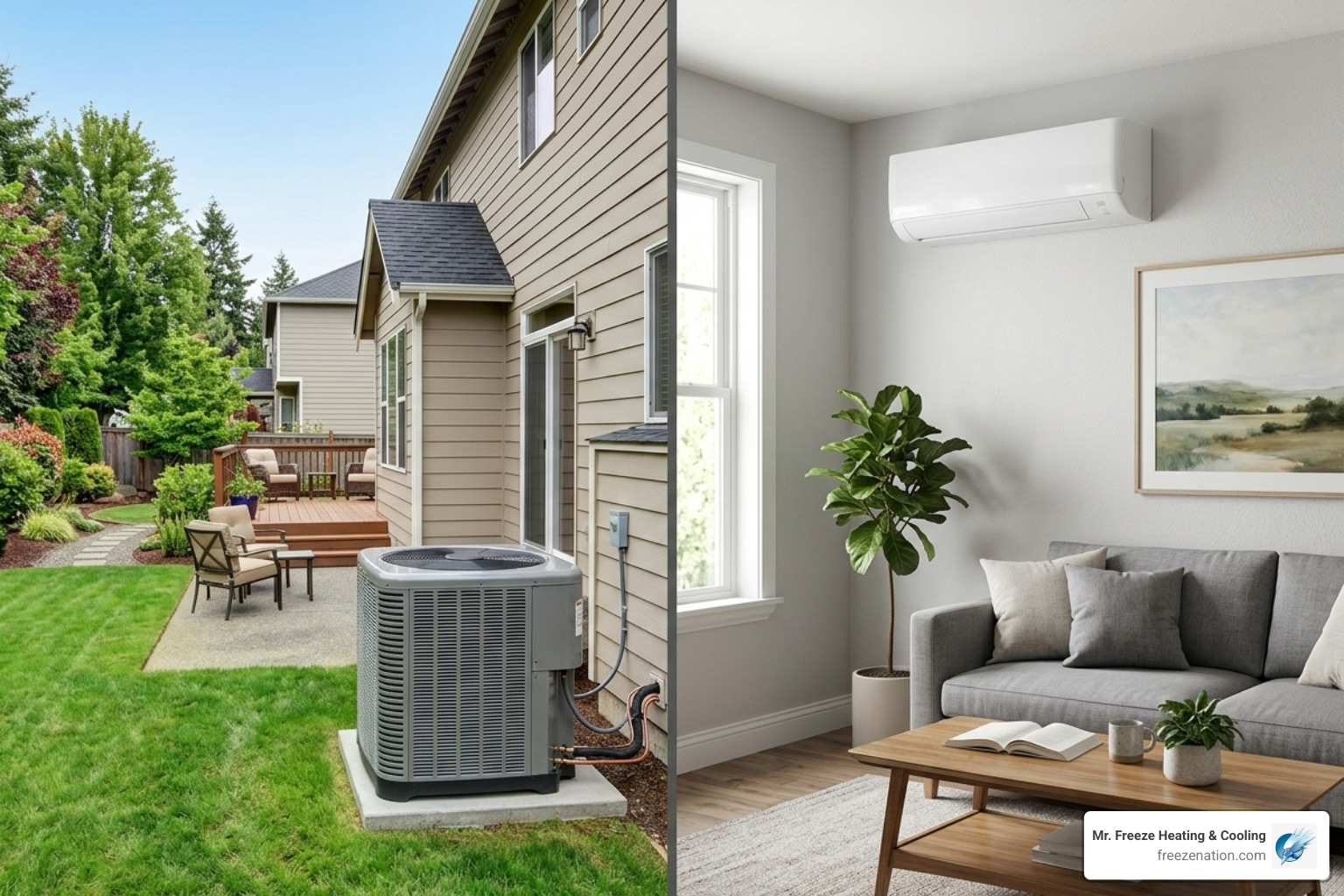
How Much Does It Really Cost to Cool Your Whole House
Compare mini split vs central ac cost comparison in 2026. Discover efficiency, installation, and tax credits for Northwest Indiana homes. Save now!

Experience Matters More Than You Think When Your AC Dies
Discover how nearly 20 years of service builds trust in HVAC. Choose Mr. Freeze for reliable AC repairs in Northwest Indiana since 2006.

Signs Your HVAC System Needs Attention Before Temperatures Rise
Know the signs your HVAC system needs attention before temperatures rise with help from Mr. Freeze. Learn more and avoid unexpected AC issues.