

As winter comes to a close and temperatures begin to moderate, many homeowners shift their focus away from heating concerns and toward preparing for warmer weather. However, the transition from winter to spring is one of the most common times for HVAC issues to surface. Months of cold temperatures, heavy system use, and weather exposure can leave behind problems that aren’t always obvious at first.
Knowing what HVAC issues to watch for after winter ends can help you address problems early, avoid breakdowns, and ensure your system is ready for the upcoming cooling season.
Common HVAC Problems Homeowners Notice After Winter
One of the most noticeable HVAC issues after winter is reduced airflow from vents. During the heating season, dust, debris, and pet hair can build up in air filters and ductwork. If these obstructions aren’t addressed, airflow can remain restricted when you switch over to cooling.
Reduced airflow can cause uneven temperatures, longer run times, and increased strain on your HVAC system. Replacing air filters and ensuring vents are open and unobstructed is a good first step. If airflow issues persist, professional inspection may be needed to identify duct leaks, blower motor concerns, or internal buildup.
Unusual Noises When the System Starts Up
It’s not uncommon for homeowners to notice strange noises when turning on their HVAC system for the first time after winter. Banging, rattling, buzzing, or grinding sounds can indicate loose components, worn belts, or debris inside the system.
These noises often start small but can worsen if left unchecked. Spring is the ideal time to investigate unusual sounds before the system is running constantly. Addressing the issue early helps prevent further damage and reduces the likelihood of a sudden system failure.
Inconsistent Heating or Cooling Performance
As you transition from heating to cooling, you may notice that certain rooms are warmer or cooler than others. Inconsistent temperatures can be caused by several factors, including thermostat calibration issues, duct problems, or system imbalances that developed during winter.
Winter heating demands can highlight existing weaknesses in an HVAC system. Spring maintenance allows these issues to be identified and corrected before cooling season begins. Balanced airflow and proper system settings are essential for consistent comfort throughout the home.
Thermostat Problems After Seasonal Changes
Thermostats can sometimes malfunction after months of constant use or inactivity. Common spring thermostat issues include inaccurate temperature readings, delayed system response, or failure to switch modes properly.
If your thermostat isn’t communicating correctly with your HVAC system, comfort and efficiency can suffer. Spring is a good time to test thermostat performance, replace batteries if needed, and ensure settings are updated for the season. Persistent thermostat problems may require professional evaluation or replacement.
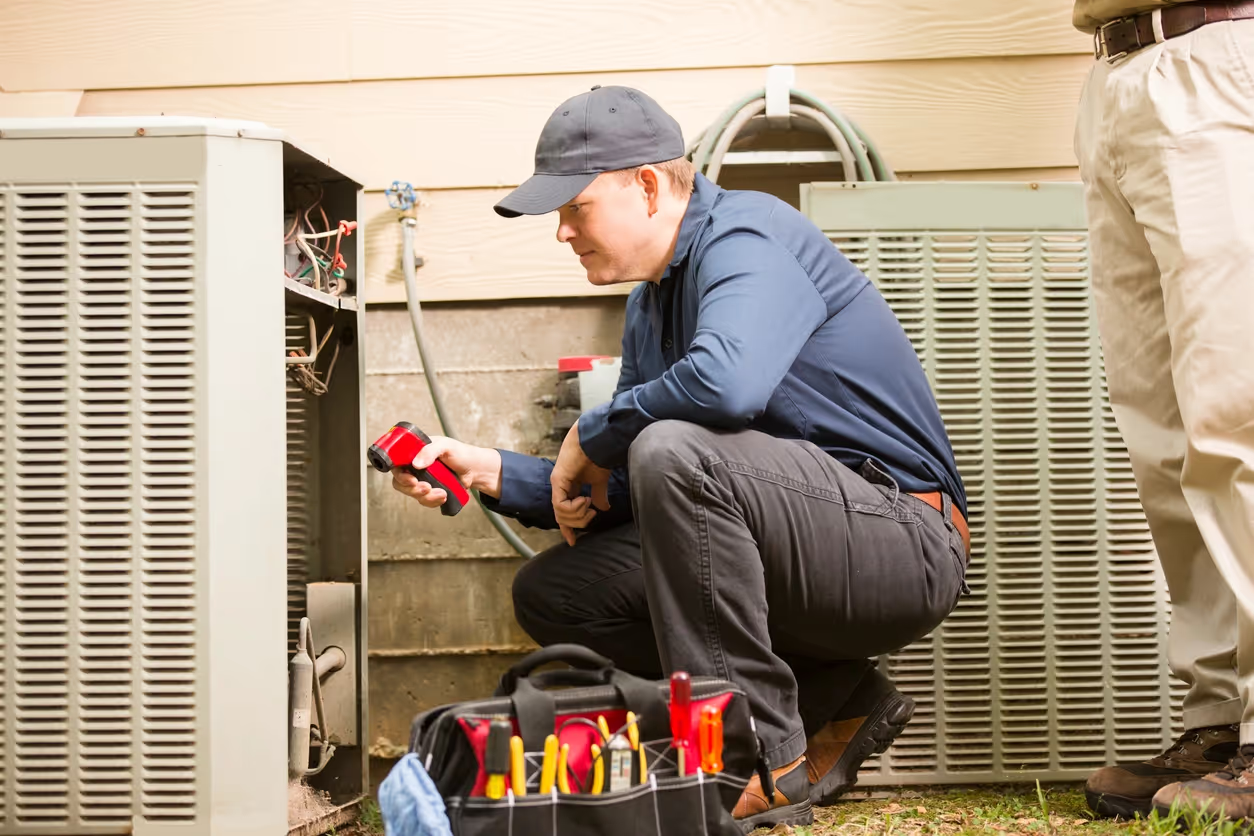
Dirty or Damaged Outdoor Units
Outdoor HVAC components are exposed to harsh winter conditions, including snow, ice, wind, and debris. As spring arrives, damage or buildup around the outdoor unit can restrict airflow and reduce efficiency.
Leaves, dirt, and debris should be cleared from around the unit to allow proper operation. Bent fins, loose panels, or visible damage may also be present after winter storms. Running the system without addressing these issues can lead to overheating, reduced performance, and potential system shutdowns.
Refrigerant and Coil-Related Issues
Although refrigerant levels don’t typically change unless there’s a leak, issues can become more noticeable when the system switches to cooling mode. Poor cooling performance, longer run times, or warm air coming from vents may point to refrigerant or coil problems.
Winter conditions can also contribute to dirty or corroded coils, which reduce the system’s ability to transfer heat effectively. These issues can increase energy use and place additional strain on the compressor. Spring inspections help identify these concerns before they impact comfort during warmer weather.
Moisture and Drainage Problems
As your HVAC system begins removing humidity from the air in spring, condensation becomes a factor again. Clogged or damaged condensate drain lines can lead to water leaks, musty odors, or system shutdowns.
If you notice moisture around the indoor unit or increased indoor humidity, it may indicate a drainage issue. Addressing condensate problems early helps protect your home from water damage and maintains proper indoor comfort levels.
Electrical Wear and Tear from Winter Use
Electrical components can be affected by long periods of heating operation and cold weather exposure. Loose connections, worn contactors, or aging capacitors may not show symptoms until the system is called upon again in spring.
Electrical issues can cause intermittent operation, system short cycling, or complete failure. Because these components play a critical role in system safety and performance, spring is an ideal time for a professional inspection to ensure everything is functioning properly.
Why Spring Is the Right Time to Address HVAC Issues
Spring offers a window of opportunity to identify and resolve HVAC issues before extreme temperatures arrive. During this transitional season, systems aren’t under peak demand, making it easier to schedule service and perform necessary repairs without urgency.
Addressing HVAC issues early helps reduce emergency repair calls, improve system efficiency, and extend equipment lifespan. It also provides peace of mind knowing your system is prepared for consistent operation when temperatures rise.
Get Professional Help Before Problems Escalate
While some post-winter HVAC issues are easy to spot, others require trained eyes and specialized tools to diagnose properly. Professional maintenance ensures hidden problems are caught early and corrected safely.
Mr. Freeze Heating & Cooling provides thorough HVAC inspections and maintenance designed to uncover issues that commonly appear after winter. If you’ve noticed unusual system behavior or want to ensure your HVAC system is ready for the next season, professional service can make all the difference.
To schedule HVAC maintenance or address post-winter concerns, contact Mr. Freeze Heating & Cooling at 219-844-8800 and get ahead of potential problems before warmer weather arrives.
Discover more articles
Spring HVAC Maintenance Checklist: What to Do Before Warmer Weather Arrives
Use this spring HVAC maintenance checklist from Mr. Freeze to prepare your system before warmer weather arrives. Learn more and protect comfort all season long.

Why Northwest Indiana Businesses Are Simply Built Different
Discover advantages of a locally owned Northwest Indiana business: economic multipliers, resilience, affordability & community impact.
Don't Sweat It: The Ultimate Guide to AC Warning Signs
Spot signs your ac needs repair early: warm air, strange noises, leaks & more. Save energy, avoid breakdowns—call pros now!