Restore Warmth When Your Furnace Fails
Winters in Hammond, IN, bring freezing temperatures that can turn a comfortable home into a safety hazard within hours. If your heating system has stopped working or is blowing cold air, you need immediate professional intervention to protect your plumbing and your family. Contact us now to schedule emergency service or to discuss financing options for your repair.
When the temperature drops, waiting days for a technician is not an option. You require a service provider who understands the urgency of a breakdown during a harsh Midwestern winter. We provide rapid response times to troubleshoot, diagnose, and resolve heating failures efficiently.
- Access emergency repairs 24/7 to ensure your home stays warm regardless of the weather.
- Rely on expert technicians equipped to handle same-day service requests.
- Receive comprehensive system assessments that identify the root cause to prevent future breakdowns.
- All services are fully licensed and backed by robust warranties and flexible financing options.
Immediate Service: What to Expect When You Call
When your heat goes out, the immediate goal is stabilization. The repair process begins the moment a technician arrives at your property. The focus is on accurate diagnostics rather than guesswork. A professional technician arrives in a fully stocked service vehicle, carrying the most common parts required to fix major furnace and boiler brands found in Hammond.
Upon arrival, the technician performs a safety check. This is critical because heating malfunctions can sometimes involve gas leaks or carbon monoxide risks. The area surrounding the unit is inspected for any immediate hazards. Once safety is confirmed, the diagnostic phase begins. This involves using advanced multimeters and pressure gauges to test the electrical and mechanical components of the system.
You receive a clear explanation of the failure. There is no ambiguity regarding what is broken, why it broke, and what is required to fix it. You are presented with a flat-rate quote for the repair. This ensures you know the exact cost before any work begins. If the required part is on the truck, the repair is completed immediately. If a specialized part is needed, the procurement process is expedited to minimize downtime.
Mr.Freeze Heating & Cooling prioritizes transparency throughout this interaction. You are not just paying for a repair; you are paying for an accurate solution that restores functionality and efficiency to your home’s climate control system.
Your Guide to Heating System Repair and Replacement
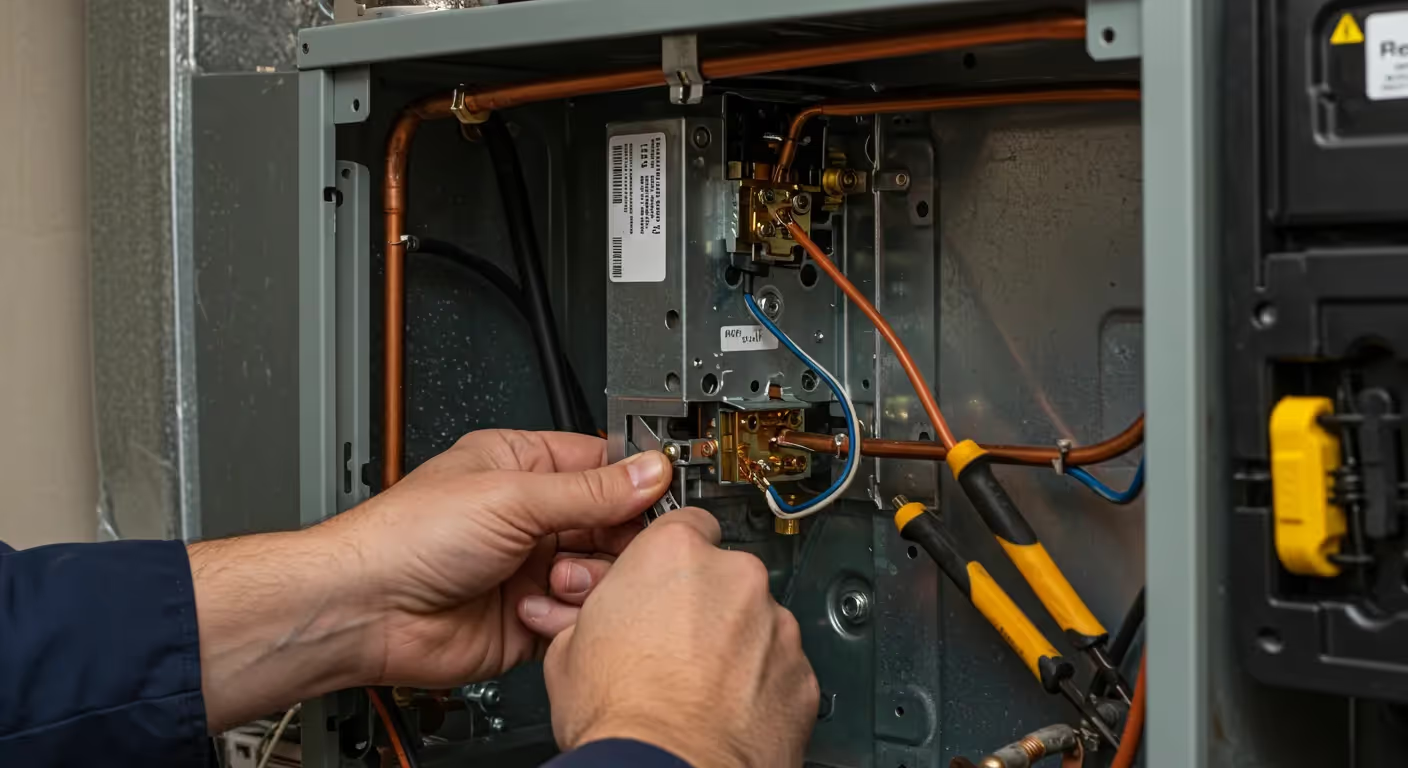
Understanding the workflow of a professional heating repair helps homeowners feel more confident in the service being provided. The process is systematic and designed to ensure long-term reliability.
- System Diagnostic: The process starts with analyzing the thermostat communication. Often, the issue lies in the connection between the control unit and the furnace. Technicians verify that the thermostat is sending the correct voltage to the control board. following this, the sequence of operation is tested. This involves watching the induction fan, the igniter, the gas valve, and the blower motor engage in the correct order.
- Component Isolation: Once the sequence stops, the technician identifies the specific failing component. For example, if the igniter glows but the gas valve does not open, the issue is isolated to the valve or the pressure switch. Each component is tested for resistance and continuity to confirm failure before a replacement is recommended.
- Part Replacement and Calibration: After the faulty part is identified and approved for repair, the technician removes the old component and installs the new one. This is not a simple swap. New parts often require calibration. Gas pressure must be adjusted to manufacturer specifications to ensure the flame burns cleanly and efficiently. Blower speeds may need adjustment to match the ductwork static pressure.
- Safety and Performance Testing: The final step involves a rigorous safety test. The technician checks for gas leaks using an electronic sniffer and bubble solution. The heat exchanger is inspected for cracks that could allow exhaust gases to mix with the indoor air. Finally, the system is run through a full heating cycle to ensure it reaches the set temperature and shuts down properly.
Common Heating Failures in Northern Indiana
The climate in this region puts specific stressors on heating equipment. Understanding these common failures can help you identify when to call for professional help.
- Ignition Control Malfunctions: Modern furnaces use hot surface igniters or intermittent pilots. These electronic components are subjected to extreme heat and eventually burn out or crack. If you hear the furnace click but do not hear the "whoosh" of the burners lighting, the ignition system is likely the culprit.
- Clogged or Dirty Filters causing Overheating: When airflow is restricted, the heat exchanger overheats. The limit switch, a safety device, detects this excess heat and shuts the burner off to prevent a fire. If your furnace cycles on and off frequently (short cycling), a restricted filter or ductwork issue is often the cause.
- Blower Motor Failure: The blower motor pushes the warm air through your vents. These motors work hard during both the heating and cooling seasons. Capacitor failure is common, which prevents the motor from starting. If you hear a humming noise but feel no air from the vents, the motor or its capacitor has likely failed.
- Thermostat Issues: Sometimes the heating unit is fine, but the brain controlling it is broken. Wiring issues, dead batteries, or calibration loss in the thermostat can prevent the system from turning on.
Deciding Between Repairing or Replacing Your Heating System
Homeowners are often faced with the difficult decision of whether to sink money into a repair or invest in a new system. This decision should be based on data and financial logic, not emotional pressure.
- The 50% Rule: A general guideline used in the industry is the 50% rule. If the cost of the repair approaches 50% of the cost of a new system, replacement is usually the better financial option. This is especially true if the system is out of warranty.
- Age of the Equipment: The average lifespan of a gas furnace is between 15 and 20 years. If your unit is over 15 years old and requires a major repair (like a blower motor or heat exchanger), replacement is often recommended. Older units operate at lower efficiency levels, meaning you are paying more for gas and electricity every month compared to a modern unit.
- Frequency of Breakdowns: If you have required repairs in each of the last two winters, the system is signaling that it is reaching the end of its reliable life. "Nickel and diming" a dying system often costs more in the long run than a planned replacement.
- Safety Concerns: If the heat exchanger is cracked, repair is rarely an option due to the risk of carbon monoxide poisoning. In almost all cases involving a compromised heat exchanger, a full system replacement is required for the safety of the household.
- Efficiency Gains: Older furnaces may be rated at 80% AFUE (Annual Fuel Utilization Efficiency) or lower. Modern units can reach up to 98% AFUE. Upgrading to a high-efficiency unit can significantly lower utility bills, helping to offset the installation cost over time.
Understanding Hammond's Heating Needs: Permits and Seasonal Advice
Operating a heating system in Hammond requires specific attention to local conditions and regulations. The oscillation between freezing winters and humid summers creates a moisture-heavy environment that can accelerate corrosion in heating systems.
- Permits and Regulations: Any significant modification to your heating system, particularly system replacements or gas line alterations, requires adherence to local building codes. Professional contractors handle the permitting process to ensure that all work meets safety standards. This protects the homeowner from liability and ensures that insurance policies remain valid in the event of a claim. Illegal installations or unpermitted work can complicate home sales and jeopardize safety.
- Ventilation and Intake Blockages: In this region, heavy snowfall and drifting snow are common. High-efficiency furnaces often vent out the side of the house. It is vital to keep these intake and exhaust pipes clear of snow. If the intake is blocked, the furnace will shut down to prevent the buildup of dangerous gases. Professional maintenance includes checking these termination points for proper clearance and varmint screens.
- Humidity Control: Winters here are dry, which can cause discomfort and static electricity. However, the system must also handle the transition from the humid summer. Inspecting the humidifier component of a heating system is a standard part of winter preparation. A properly functioning humidifier protects wood flooring and furniture from cracking and improves overall comfort at lower temperatures.
- Gas Line Integrity: The freeze-thaw cycle of the ground can shift soil and put stress on underground or exterior gas lines. Regular inspections ensure that piping remains secure and leak-free.
Why Experience Matters for Your Home Comfort
Choosing a service provider goes beyond just finding someone with a wrench. It involves finding a partner who understands the engineering behind modern HVAC systems. The complexity of today's high-efficiency furnaces requires technicians who undergo continuous training.
- Advanced Diagnostics: Modern systems rely on circuit boards and sensors. Technicians must be skilled in reading electrical diagrams and understanding logic sequences. Guesswork leads to unnecessary part replacements. Skilled technicians use data to pinpoint the exact issue.
- Proper Tools: From combustion analyzers that measure the efficiency and safety of the flame to manometers that measure static pressure in the ducts, professional repair requires professional-grade tools. This ensures the system is not just running, but running within the manufacturer's specified parameters.
- Truck Stock: Efficiency in repair is tied to inventory. A service provider who stocks their trucks with universal and OEM parts can resolve most issues in a single visit. This reduces the time your home is without heat.
Mr.Freeze Heating & Cooling maintains a high standard of technical excellence to serve the Hammond community. The goal is always to provide a lasting repair that ensures safety and comfort.
Secure Your Comfort Today
Do not let a heating malfunction compromise your safety or comfort this winter. Delays can lead to frozen pipes and increased repair costs. Ensure your system is functioning at peak efficiency and that your home remains warm regardless of the forecast — contact us today.
Call our team immediately to schedule your diagnostic or emergency heating repair.