


Is Your AC Not Cooling Properly? Here's What to Check First
If your ac not cooling properly what to check is the question on your mind right now, here's a quick answer before we dive deeper:
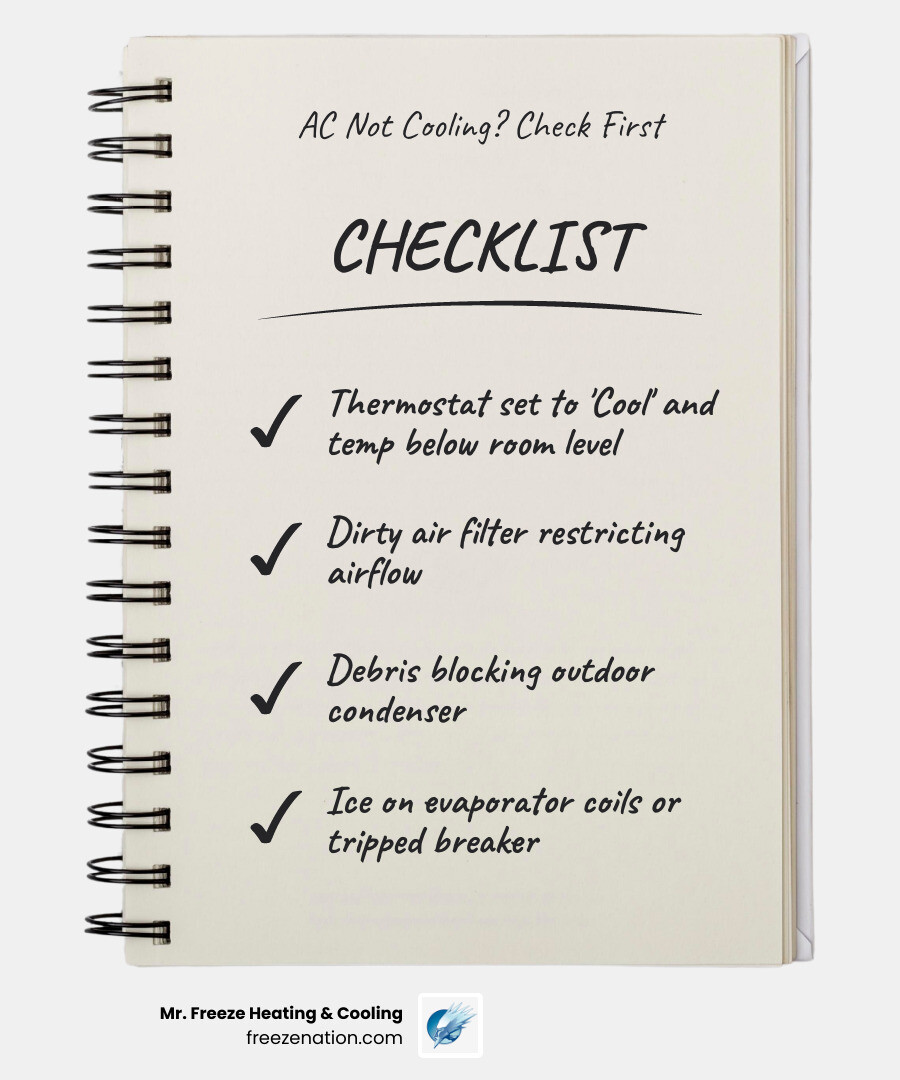
Quick Checklist — AC Not Cooling Properly:
- Thermostat — Make sure it's set to "Cool" mode and the temperature is below your current room temperature
- Air filter — Check if it's clogged; a dirty filter is the most common cause of poor cooling
- Outdoor condenser unit — Look for debris, leaves, or dirt blocking the unit
- Vents and registers — Confirm all vents are open and unobstructed
- Circuit breaker — Check that no breakers have tripped in your electrical panel
- Evaporator coil — Look for ice buildup on the copper lines near your indoor unit
- Outdoor unit running — Listen and look to confirm the fan and compressor are actually running
It's a sweltering summer afternoon in Northwest Indiana, and your AC is humming away — but the air coming out of your vents feels anything but cold. Sound familiar? You're not alone. This is one of the most common calls we hear from homeowners across Hammond, Crown Point, and the surrounding area.
The frustrating part is that your system seems to be working. The unit is on. The fan is blowing. But the house just won't cool down.
The good news? Many of the reasons an air conditioner runs without actually cooling your home are things you can spot — and sometimes fix — yourself. Others point to issues that need a licensed HVAC technician. Either way, knowing what to look for saves you time, stress, and potentially a lot of money.
In this guide, we'll walk you through every major cause, step by step, so you can figure out exactly what's going on with your AC.
Why is my AC running but not cooling?
When your air conditioner is running but the temperature inside keeps climbing, it’s usually a sign that the heat transfer process has been interrupted. Your AC doesn't actually "create" cold; it removes heat from your indoor air and dumps it outside. If any part of that loop fails, you're left with a system that circulates lukewarm air.
There are several Common HVAC Issues to Watch For After Winter Ends that can lead to this scenario. In April 2026, as we transition into the warmer months, many systems struggle because they haven't been prepared for the sudden workload.
Typical culprits include:
- Thermostat Miscommunication: If the thermostat isn't telling the system to engage the cooling stage, you're just running a very expensive fan.
- Airflow Obstructions: Dirty filters or blocked vents act like a gag on your system, preventing it from "breathing."
- Dirty Condenser Coils: If the outdoor unit is caked in mud or grass clippings, it can't release the heat it gathered from inside.
- Mechanical Failure: Components like capacitors or compressors can wear out, especially in units older than 10–15 years.
Recognizing these Signs Your HVAC System Needs Attention early can prevent a minor hiccup from turning into a total system meltdown during a July heatwave.
AC Not Cooling Properly What to Check: A Step-by-Step DIY Guide
Before you pick up the phone to call us, we always recommend a quick "detective walk" through your home. You’d be surprised how many service calls are resolved by simply flipping a switch or changing a battery.
Following a Spring HVAC Maintenance Checklist is the best way to catch these issues before they start, but if you're already in a "no-cool" situation, follow these steps in order:
- Verify Power: Check your electrical panel for tripped breakers. Your AC uses two separate circuits: one for the indoor blower and one for the outdoor condenser. If the indoor unit is running but the outdoor one isn't, you'll get air movement without cooling.
- Reset the System: Sometimes a simple "reboot" works for an AC just like it does for your computer. Turn the system off at the thermostat, flip the breaker off for about 60 seconds, flip it back on, and wait 5–10 minutes before turning the cooling back on.
- The "Hand Test": Go to a supply vent. Is air blowing? If so, is it warm, room temperature, or just "less cold" than usual?
Thermostat Settings: The First AC Not Cooling Properly What to Check Step
It sounds simple, but the thermostat is the brain of your HVAC system, and even brains have "off" days. When you are determining ac not cooling properly what to check, start here:
- Mode Check: Ensure it is firmly set to "Cool." We’ve seen many cases where a family member accidentally bumped it to "Heat" or "Fan Only."
- Fan Setting: Set your fan to "Auto" rather than "On." When the fan is "On," it blows air constantly, even when the cooling cycle is off. This can blow humid, unconditioned air into your home, making it feel like the AC isn't working.
- Fresh Batteries: If your thermostat display is faint or has a low-battery icon, replace the batteries immediately. A weak battery can prevent the thermostat from sending the signal to start the outdoor compressor.
- Temperature Calibration: Set the target temperature at least 5 degrees below the current room temperature to ensure the system triggers a cooling cycle.
Learning How to Prepare Your Air Conditioner for the First Hot Days involves double-checking these settings before the humidity hits Northwest Indiana.
Air Filter Inspection: Why It’s the Top AC Not Cooling Properly What to Check Item
A dirty air filter is arguably the number one reason for AC performance issues. When a filter is clogged with dust, pet hair, and debris, it restricts the volume of air passing over the evaporator coils.
- Why it matters: If not enough warm air passes over the cold coils, the coils get too cold and eventually freeze into a block of ice. Once that happens, no air can get through at all.
- Frequency: We recommend replacing your filter every 1 to 2 months. If you have pets (the "fur factor"), you may need to check it every 30 days.
- The Light Test: Hold your filter up to a light source. If you can’t see light passing through the fibers, it’s time for a new one.
Keeping up with Spring Cleaning for Your HVAC System ensures your filters, ducts, and air quality remain in top shape for the cooling season.
Troubleshooting Airflow and the Outdoor Condenser Unit
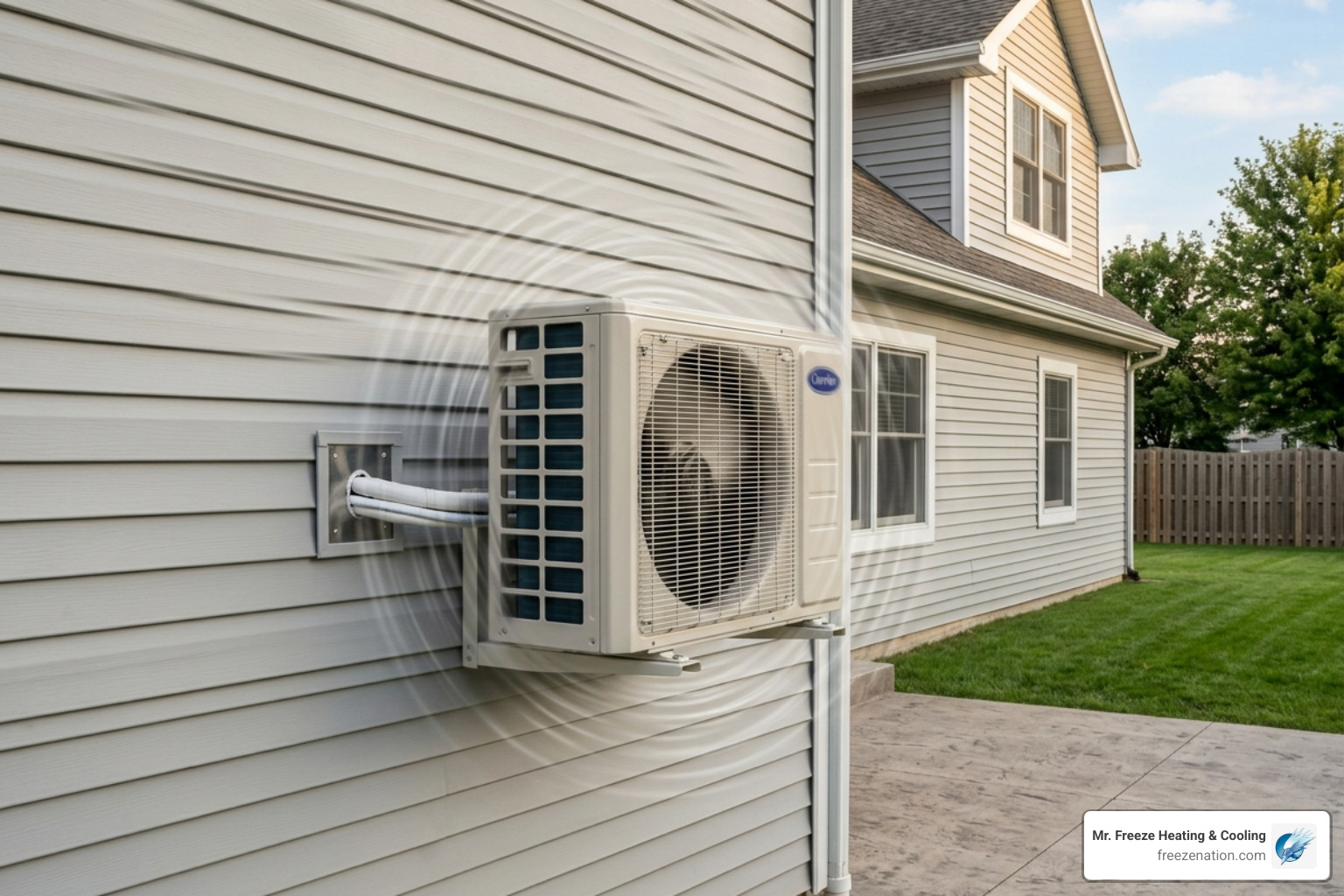
Once you've checked the indoor components, it’s time to head outside. The outdoor unit, known as the condenser, is responsible for releasing the heat collected from your home. If it can't "exhale" that heat, your home stays warm.
- Clear the Debris: Leaves, tall grass, mulch, and even "cottonwood" seeds can coat the metal fins of your condenser. Use a soft brush or a garden hose (on low pressure!) to gently rinse away dirt. Never use a power washer, as it can bend the delicate aluminum fins.
- The 2-Foot Rule: For your AC to breathe properly, it needs at least two feet of clear space on all sides. Trim back shrubs, move trash cans, and ensure there’s nothing leaning against the unit.
- Check the Vents: Inside your home, make sure you haven't blocked supply or return vents with furniture, rugs, or curtains. Closing vents in unused rooms is actually a myth — it increases pressure in the ducts and can lead to frozen coils or blower motor failure.
If your outdoor unit is making strange noises or the fan isn't spinning, you may need professional Air Conditioning Maintenance to deep-clean the internal components and check for electrical wear.
Identifying Frozen Evaporator Coils and Refrigerant Leaks
If you see frost or ice on the copper lines leading into your indoor unit, or if you notice a puddle of water under your furnace, you likely have a frozen evaporator coil.
| Symptom | Frozen Evaporator Coil | Low Refrigerant (Leak) |
|---|---|---|
| Airflow | Very weak or non-existent | Normal strength, but warm |
| Visible Signs | Ice on copper lines or indoor unit | Oily residue on lines; hissing sounds |
| Outcome | System eventually shuts down | System runs constantly without cooling |
| Fix | Thaw unit and change filter | Requires EPA-certified technician |
How to Thaw Your AC:If you suspect ice, turn the AC off immediately. Switch the thermostat fan setting to "On" (not Auto). This runs the blower without the cooling, helping to melt the ice. This can take 2 to 4 hours. Do not try to hack at the ice with a screwdriver; you will likely puncture the coils.
The Refrigerant Myth:Your AC does not "consume" refrigerant like a car consumes gas. It is a closed loop. If you are low on refrigerant, you have a leak. Adding more without fixing the leak is like trying to fill a bucket with a hole in the bottom. Because refrigerant handling requires EPA certification, this is a job for the pros.
Scheduling a tune-up is the best way to avoid these headaches, which is Why Spring is the Best Time to Schedule an AC Tune-Up.
I'm looking for AC repair in Crown Point. Why is my unit blowing warm air?
If you've checked the filter, the thermostat, and the outdoor unit, and you're still sweating, the issue is likely electrical or mechanical. In areas like Crown Point, Merrillville, and Portage, our technicians often find that the intense summer heat causes two specific parts to fail:
- The Capacitor: Think of this as a big battery that gives the motor the "kick" it needs to start. If it blows, your fan or compressor won't turn on. You might hear a humming sound from the outdoor unit, but nothing is moving.
- The Compressor: This is the heart of the system. If it fails, the refrigerant won't circulate. This is a major repair that often occurs in older units.
- Contactor Issues: This is the switch that tells the outdoor unit to turn on. If ants get into the contactor (a common Indiana problem!) or if the points burn out, the unit won't start.
When DIY steps fail, it’s time to call in the experts for Air Conditioning Repair. Whether you need AC Repair Portage or general AC Service Portage, we bring the diagnostic tools needed to find the "hidden" electrical faults.
Frequently Asked Questions
Should I turn off my AC if it's not cooling?
Yes. If your AC is running but not cooling, you should turn it off at the thermostat. Continuing to run a malfunctioning system can cause the compressor to overheat or lead to permanent damage. If the coils are frozen, running the unit will only make the ice block thicker, potentially damaging the fan motor or causing water damage to your home when it finally melts.
How can I measure if my AC is actually cooling?
A simple way to check performance is to measure the "temperature drop." Use a standard thermometer to measure the air temperature at a return vent (where air goes in) and then at a supply vent (where cold air comes out). In a properly functioning system, the air coming out should be about 18 to 20 degrees Fahrenheit cooler than the air going in. If the difference is only 5 or 10 degrees, your system is struggling.
Is my AC unit too old or undersized for this Indiana heat?
Most AC units are designed to last 10 to 15 years. If your unit is in that age range and struggles to keep up when the outdoor temp hits 90°F, it may simply be reaching the end of its life. Additionally, if you've added an extension to your home or knocked down walls, your original unit might now be undersized. An undersized unit will run 24/7, driving up your bills without ever reaching the set temperature.
Conclusion
When your ac not cooling properly what to check becomes your top priority, most issues stem from airflow, dirt, or simple settings. By staying on top of your filter changes and keeping your outdoor unit clear of Northwest Indiana's summer brush, you can prevent most major breakdowns.
At Mr. Freeze Heating & Cooling, we’ve been serving our neighbors in Hammond, Munster, Highland, and across the region since 2006. We believe in honest pricing and a 100% satisfaction guarantee. If your DIY troubleshooting hasn't brought back the chill, don't suffer through the heat.
Whether you need a quick repair, a seasonal tune-up, or a full system replacement, our team is ready to help. Contact us today for expert Air Conditioning Service and let's get your home back to the comfortable sanctuary it should be.
Discover more articles

Ductless vs Ducted Cooling Pros and Cons to Keep You Chilled
Compare central ac vs ductless mini split: pros, cons, efficiency & zoning for NW Indiana homes. Save energy—get expert advice!
Is Your AC Trying to Tell You Something? Decoding Weird Noises
Decode ac making strange noises what they mean: banging, hissing, buzzing. NW IN guide + repair tips!

9 signs your HVAC system is having a midlife crisis
Spot when an HVAC failure is a true emergency: 9 signs like gas leaks, CO alarms & leaks. Protect your NW Indiana home—call now!