


Your Complete Spring Air Filter Replacement Guide
A spring air filter replacement guide helps you swap out clogged, dust-filled filters in your home HVAC system and vehicle — before rising pollen counts and warmer temperatures put extra strain on both.
Here's what the process looks like at a glance:
- Check your current filters — hold them up to light; if little or no light passes through, they need replacing
- Home HVAC filters — replace 1-inch filters every 2-3 months; 4-inch media filters up to once a year
- Car engine air filter — inspect every 6 months; replace at least once a year or every 20,000 km
- Car cabin air filter — replace every 12,000-15,000 miles or once per year
- Choose the right MERV rating — MERV 5-11 for general use; MERV 13-14 for allergy and asthma relief
- Turn off your system before removing any filter, and always match the airflow direction arrow on the new filter
Spring is one of the most important times to tackle this task. After a long Indiana winter, your filters are loaded with dust, debris, and mold spores — and pollen season is just getting started. A clogged filter forces your HVAC system to work harder, drives up your energy bill, and pushes dirty air straight into your home. The good news? Replacing a filter is one of the easiest and most affordable maintenance tasks you can do yourself.
Whether you're a homeowner in Northwest Indiana or a commuter dealing with allergy season, this guide covers everything — from home HVAC filter swaps to vehicle cabin filters — so your air stays clean all spring long.
Why Spring is the Best Time for a Spring Air Filter Replacement Guide
As we move into April 2026, many of us in Hammond, Munster, and Highland are opening our windows for the first time in months. But while that spring breeze feels great, it brings a surge of pollen and outdoor allergens that can quickly overwhelm a dirty air filter.
Spring is the ideal "reset" button for your home and vehicle. During the winter, your furnace has been working overtime, likely accumulating a thick layer of dust and pet dander. If you don't swap that filter now, your air conditioner will have to fight through all that winter grime to push cool air into your home. This leads to higher energy bills and potential system breakdowns just when the first hot days of the year arrive.
By following a spring air filter replacement guide, you ensure your HVAC system is primed for efficiency. Clean filters allow for maximum airflow, which protects your system’s blower motor and evaporator coil from overheating or freezing up. For those of us suffering from seasonal allergies, a fresh filter is your first line of defense against the "yellow dust" of pollen that blankets Northwest Indiana every spring.
For more tips on getting your home ready for the season, check out our articles on Spring Cleaning for Your HVAC System: Filters, Ducts, and Air Quality and Why Spring is the Best Time to Schedule an AC Tune-Up.
Mastering Your Home HVAC Filter Maintenance
Your home’s HVAC filter is more than just a piece of cardboard and mesh; it’s a critical component of your Indoor Air Quality. Not all filters are created equal, and choosing the right one for your specific needs—whether you live in a quiet Schererville neighborhood or a busy area in East Chicago—makes a huge difference.
Understanding MERV Ratings and Filter Types
When you go to the store, you'll see a MERV (Minimum Efficiency Reporting Value) rating on every box. This rating tells you how effective the filter is at trapping particles.
| Filter Type | MERV Rating | Best For | Particle Size Captured |
|---|---|---|---|
| Fiberglass (Standard) | 1–4 | Basic protection for the HVAC unit | Large dust, lint |
| Pleated Media | 5–11 | General household use, pet dander | Dust mites, mold spores |
| Activated Carbon | 8–11 | Odor reduction (cooking, pets) | Smoke, volatile organic compounds |
| High-Efficiency/HEPA | 13–16 | Severe allergies, asthma, viruses | Bacteria, microscopic allergens |
While it’s tempting to go for the highest MERV rating possible, be careful. Filters with MERV 13 or higher are very thick and can restrict airflow in older systems, causing the motor to work too hard. Most Northwest Indiana homes do best with a MERV 8 to 11 filter. If you're noticing strange sounds or weak airflow, it might be one of the Signs Your HVAC System Needs Attention Before Temperatures Rise.
Step-by-Step Home HVAC Spring Air Filter Replacement Guide
Replacing your filter is a five-minute job that saves you hundreds in repair costs. Here is how we recommend doing it:
- Safety First: Turn off your HVAC system at the thermostat. For extra safety, flip the power switch located on the side of your furnace or air handler.
- Locate the Filter: You’ll usually find it in a slot where the return air duct meets the main unit. In some homes, it might be behind a return air grille in a wall or ceiling.
- Remove and Inspect: Slide out the old filter. If it looks gray, fuzzy, or you can’t see light through it, it’s definitely time for a change.
- Verify the Size: Look at the side of the old filter for the dimensions (e.g., 16x25x1). Always use the exact size recommended for your system to prevent "blow-by," where unfiltered air leaks around the edges.
- Check Airflow Direction: Look for an arrow on the edge of the new filter. This arrow must point toward the furnace/air handler and away from the return duct.
- Insert and Test: Slide the new filter in, secure the cover, and turn the power back on.
Proper installation is key to How to Prepare Your Air Conditioner for the First Hot Days of the Year.
How Often Should You Change Your Filters?
The "every three months" rule is a good baseline, but real life often requires more frequent changes. We suggest checking your filter monthly if any of the following apply:
- Pets: Fur and dander clog filters faster than anything else.
- Allergies: During peak spring pollen season in Crown Point or St. John, you may want to change it every 30 days.
- Construction: If there is roadwork or home remodeling nearby, dust levels will spike.
- Filter Thickness: Standard 1-inch filters need changing every 1-3 months. Thicker 4-inch media filters can often last 6 to 12 months, though they should still be inspected every spring.
Keeping a consistent schedule is a vital part of any Spring HVAC Maintenance Checklist: What to Do Before Warmer Weather Arrives.
Essential Vehicle Maintenance: Engine and Cabin Air Filters
While we often focus on the home, your car is essentially a mobile room that needs its own spring air filter replacement guide. Your vehicle uses two distinct filters: one for the engine and one for you. After a winter of driving through road salt and slush in Northwest Indiana, these are likely due for an update.
It's common to find Common HVAC Issues to Watch For After Winter Ends in vehicles too, such as musty smells or weak AC performance.
Locating and Replacing Your Engine Air Filter
The engine air filter ensures that the air mixed with your fuel is clean. If it’s clogged, your engine has to work harder, which kills your gas mileage and can lead to "sluggish" acceleration.
- Where is it? It’s usually in a black plastic box (the airbox) under the hood, often secured by metal clips or a few screws.
- How to change it: Pop the clips, lift the cover, and pull out the old filter. Wipe any leaves or grit out of the bottom of the box with a damp rag before dropping the new filter in. Ensure the rubber seal sits flat so no "dirty" air bypasses the filter.
- The Benefit: A clean engine filter can improve acceleration by up to 11%, making those merges onto I-94 much smoother.
Cabin Air Filter vs. Engine Air Filter: What’s the Difference?
Many drivers don't realize their car has a second filter specifically for the interior air.
- Engine Air Filter: Protects the engine from dust and debris.
- Cabin Air Filter: Protects your lungs. It filters the air coming through your heater and air conditioner vents.
If your windshield fogs up easily in the humid Indiana spring or you notice a "dirty sock" smell when you turn on the AC, your cabin filter is likely moldy or clogged. Spring is the best time to swap this out to keep pollen out of your car's interior.
Kia Sportage Spring Air Filter Replacement Guide
For our neighbors driving the popular Kia Sportage (models 2016-2025), replacing the cabin air filter is a simple DIY task that takes less than 15 minutes.
- Access: Open the glove box and remove your items.
- Release Stops: Twist the two circular plastic stops on the inside of the glove box to remove them. This allows the glove box to drop down further.
- Lower the Box: Disengage the dampener arm on the right side by gently pulling it off the pin.
- Swap the Filter: Pinch the tabs on the rectangular filter cover and pull it off. Slide the old filter out.
- Direction Matters: Insert the new filter with the airflow arrow pointing down toward the floor.
- Reassemble: Snap the cover back on, reattach the dampener arm, and put the stops back in.
Doing this yourself can save you a significant amount compared to dealership service fees!
Maximizing Performance and Avoiding Common Mistakes
Even with a spring air filter replacement guide, it’s easy to make a few common errors. Here are the pitfalls we see most often in the field:
- Installing Backward: This is the #1 mistake. Filters are designed to trap dirt on one side. If installed backward, the filter can collapse or significantly restrict airflow, leading to a whistling sound from your vents.
- Using the Wrong Size: If a filter is even half an inch too small, air will take the path of least resistance and go around the filter. This coats your expensive AC coils in dust, which can lead to system failure.
- Ignoring the "Visual Test": Don't just rely on the calendar. If you live near a construction site in Portage or a dusty field in Cedar Lake, your filter might need changing every 3 weeks. If it's gray, change it.
- Forgetting Safety: Always wear gloves when handling old filters. They are covered in allergens, bacteria, and sometimes even mold. You don't want to breathe that in or get it on your skin.
Frequently Asked Questions about Air Filters
What are the signs that an air filter needs immediate replacement?
Beyond just looking dirty, your home or car will give you warnings. In your home, look for excessive dust on furniture shortly after cleaning, or a noticeable "musty" smell when the AC kicks on. In your car, a whistling noise from the vents or a windshield that stays foggy even with the defroster on are major red flags. If your allergy symptoms (sneezing, itchy eyes) are worse inside your house than outside, your filter has likely reached its capacity.
What tools and safety precautions are needed for DIY replacement?
For most home HVAC systems, no tools are required—just your hands! However, for some car engine filters, you might need a Phillips-head screwdriver or a socket wrench. We always recommend:
- Power Isolation: Ensure the HVAC system is fully off so it doesn't kick on while the filter is out.
- Eye Protection: If you are changing a ceiling-mounted filter, wear safety glasses to keep falling dust out of your eyes.
- Seal Check: After installing, feel around the edges for air leaks. A piece of HVAC tape can help seal a loose-fitting door.
Where can you buy replacement air filters and save?
You can find filters at local hardware stores in Hammond or big-box retailers in Merrillville. To save money, consider:
- Bulk Buying: Buying a 6-pack or 12-pack of HVAC filters usually cuts the price per filter significantly.
- Subscription Services: Many online retailers offer "subscribe and save" options that ship a filter to your door every 3 months, so you never forget.
- OEM vs. Aftermarket: For cars, aftermarket filters (like those found at auto parts stores) are usually just as good as OEM (Original Equipment Manufacturer) filters but cost much less.
Conclusion
Taking the time to follow this spring air filter replacement guide is one of the best things you can do for your home’s health and your wallet. Whether you are driving through Lansing or relaxing in your Hobart living room, clean air makes a difference.
At Mr. Freeze Heating & Cooling, we’ve been serving Northwest Indiana since 2006. We know exactly what our local climate puts your systems through—from the humid summers to the pollen-heavy springs. While changing a filter is a great DIY task, your system still needs professional eyes to ensure everything is running safely and efficiently.
Our team offers honest pricing, a 100% satisfaction guarantee, and the expertise that comes from over 30 years of combined experience. Don't let a dirty filter or a neglected AC unit ruin your spring comfort. If you notice your system isn't performing quite right even after a filter change, we are here to help.
Keep your home running smoothly all season long—Schedule your professional maintenance plan with Mr. Freeze today!
Discover more articles
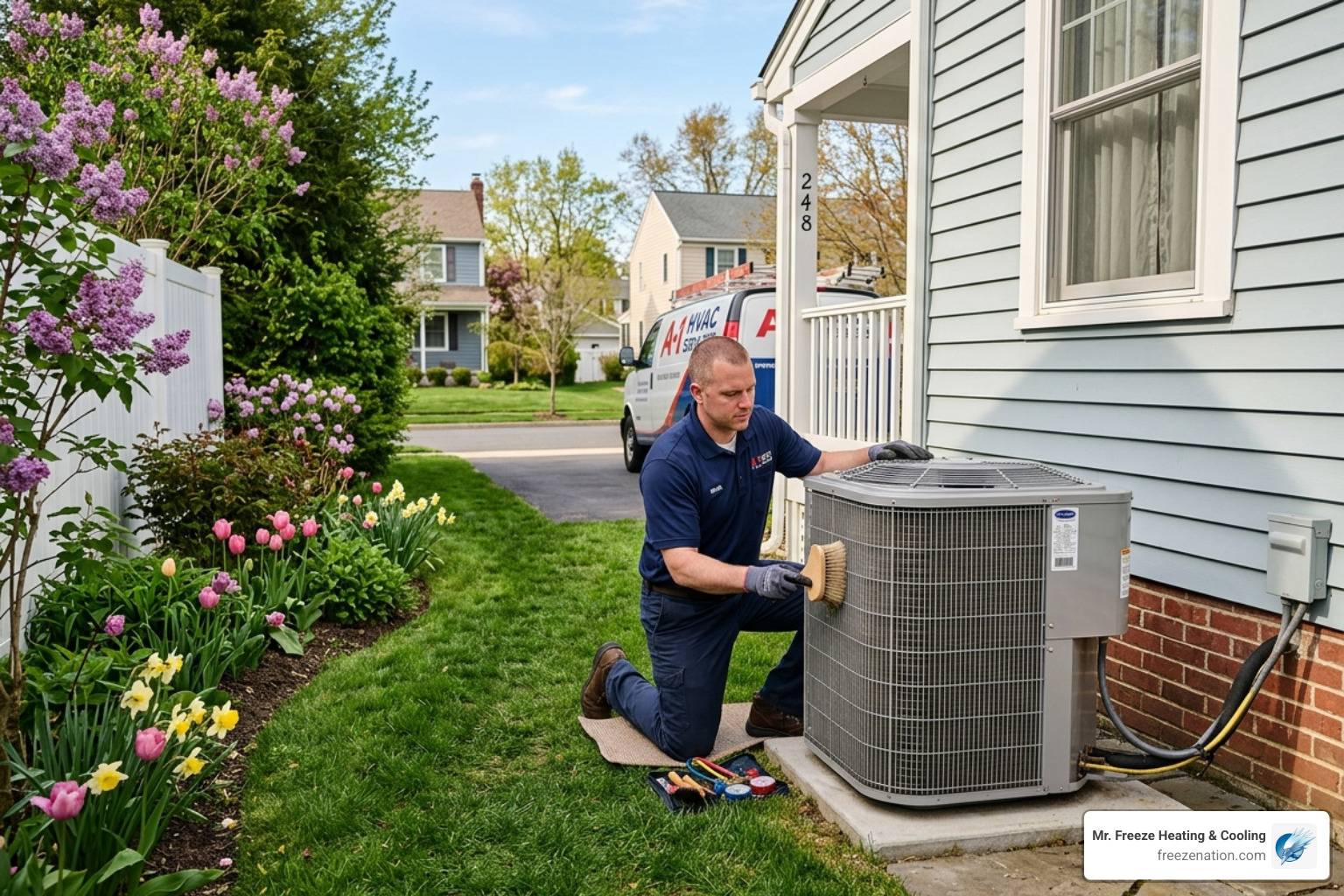
The Ultimate Guide to Spring AC and HVAC Maintenance
Master spring ac and hvac maintenance: DIY tips, pro checklists & efficiency boosts for summer readiness in Northwest Indiana.

Experience Matters More Than You Think When Your AC Dies
Discover how nearly 20 years of service builds trust in HVAC. Choose Mr. Freeze for reliable AC repairs in Northwest Indiana since 2006.
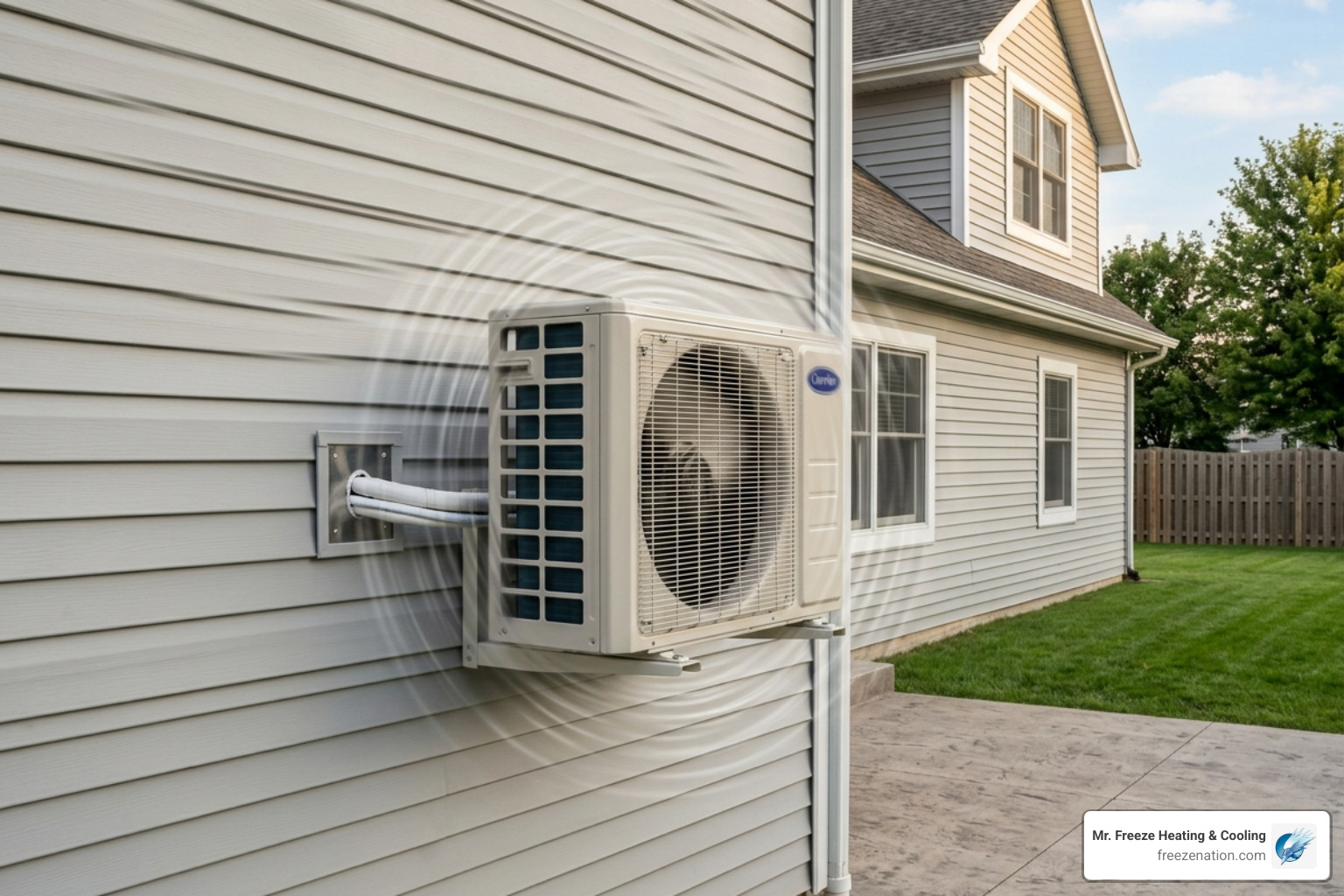
Is Your AC Trying to Tell You Something? Decoding Weird Noises
Decode ac making strange noises what they mean: banging, hissing, buzzing. NW IN guide + repair tips!