
Is Your Indoor Air Safe? Get It Tested!
Worried about what you're breathing in at home? Uncover the truth with precise air quality testing. Contact us today to book your assessment or call to discuss available financing options for remediation.
Mr.Freeze Heating & Cooling understands that invisible threats in your home can lead to visible health issues. Homeowners in Dyer often struggle with unexplained allergies or lingering odors, unaware of the root cause. Our testing services provide the data you need to take control of your indoor environment.
- Results within 24 hours - no more guessing regarding your family's health.
- Transparent pricing structures designed for any budget.
- Serving Dyer and surrounding areas with certified, experienced testers.
Fully certified and insured for your peace of mind.
What You Get with Professional Air Assessment
When you schedule a professional air quality test, you are purchasing certainty. Many homeowners rely on generic store-bought kits that only provide a snapshot of a single room or a specific type of mold. A professional assessment goes much further, offering a comprehensive analysis of the entire building envelope. This service identifies the specific particulate matter, biological growth, and chemical vapors circulating through your ductwork and living spaces.
The scope of the service includes a thorough investigation of all potential pollution sources. This is not merely about checking for dust; it involves analyzing the air for Volatile Organic Compounds (VOCs), carbon monoxide, radon, mold spores, and humidity imbalances. You receive a detailed report that translates complex scientific data into actionable information. Instead of vague warnings, you get specific concentration levels compared against safe residential standards.
The timeline for this service is designed to be efficient yet thorough. The physical inspection and sample collection typically take a few hours, depending on the square footage of the property. While some readings, such as humidity and particulate counts, provide immediate feedback, biological samples are sent to an accredited laboratory for precise identification. You typically receive a full, verified report within a business day, allowing you to make quick decisions regarding filtration or ventilation upgrades.
Included in the assessment is a review of your current HVAC system’s role in your air quality. The technician evaluates whether your current filtration setup is adequate or if it is contributing to the problem due to bypass issues or clogging. This holistic approach ensures that you aren't just identifying a symptom but are given a clear roadmap to a solution.
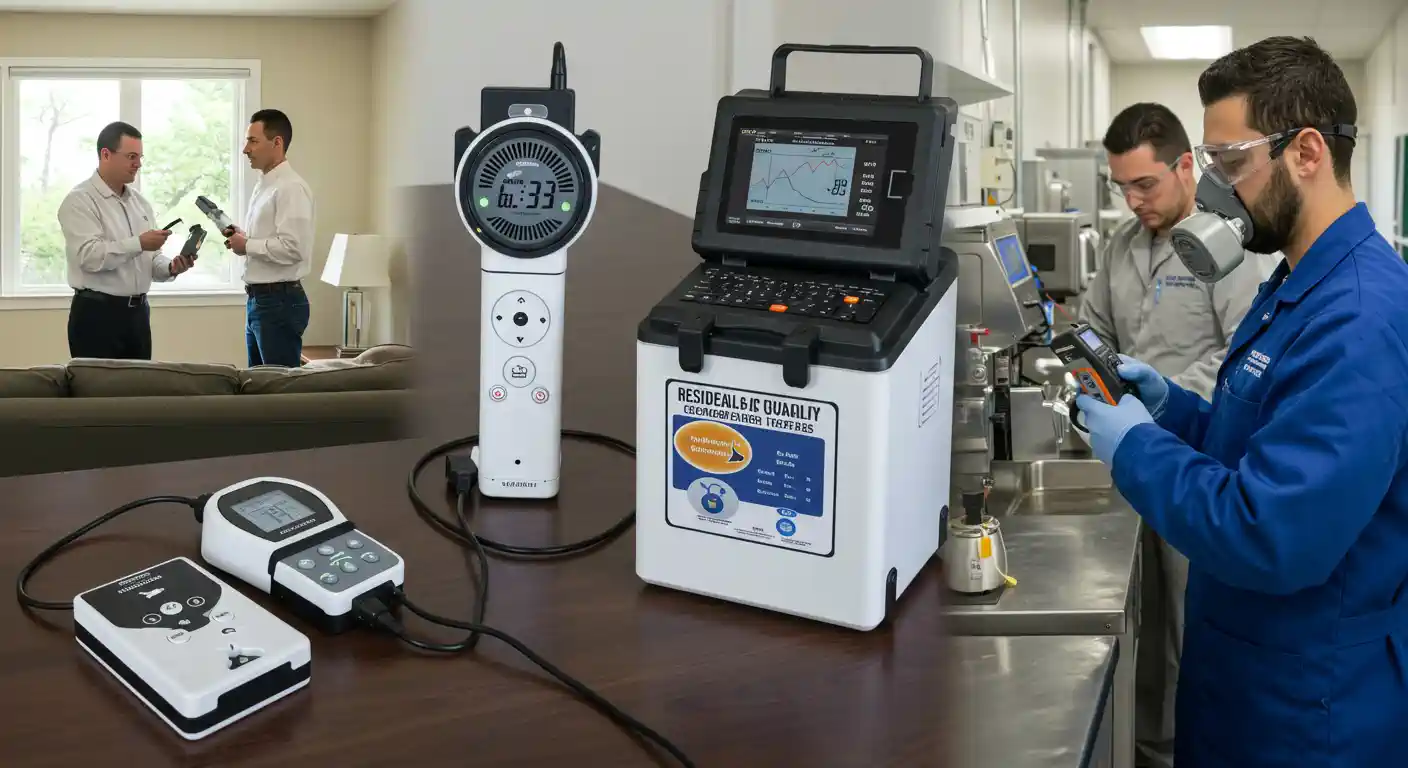
Understanding the Testing Process
The process of evaluating your indoor environment is systematic and data-driven. It eliminates guesswork by following a strict protocol designed to capture an accurate representation of the air you breathe daily. This procedure ensures that the results are legally defensible and scientifically valid.
- Initial Visual Inspection: The process begins with a walkthrough of the property. The technician looks for visible signs of moisture intrusion, mold growth, or ventilation deficiencies. They inspect areas where airflow is restricted and check the condition of HVAC filters and ductwork. This visual assessment helps pinpoint high-risk zones where sampling should be concentrated.
- Particulate Matter Analysis: Using laser particle counters, the technician measures the concentration of dust, pollen, and other microscopic solids suspended in the air. This step quantifies the load on your respiratory system and helps determine if current filtration methods are effective.
- Chemical and Gas Detection: Specialized sensors are deployed to detect VOCs, which are gases emitted from certain solids or liquids like paints, cleaning supplies, and building materials. The testing also screens for combustion byproducts like carbon monoxide and nitrogen dioxide, which are critical safety hazards in homes with gas appliances.
- Biological Sampling: If the visual inspection or occupant symptoms suggest biological contaminants, the technician performs air, surface, or bulk sampling. Air sampling involves drawing a known volume of air across a slide to trap spores, while surface sampling lifts suspect material for lab analysis.
- Ventilation Assessment: The technician measures airflow rates and checks fresh air intake levels. This determines if the home is "breathing" correctly or if stale air is being trapped inside, leading to a buildup of CO2 and other pollutants.
- Laboratory Analysis and Reporting: Physical samples are sent to a lab where microbiologists identify specific mold species or allergens. All data points are then compiled into a final report. This document outlines the findings, compares them to health standards, and provides a clear conclusion on the safety of the indoor environment.
When to Schedule an Environmental Inspection
Deciding when to move from suspicion to action is critical for maintaining a healthy home. While annual checks are recommended, certain triggers suggest an immediate need for professional diagnostics. Ignoring these signs can lead to worsening health conditions and potential structural damage to the property.
Unexplained Health Symptoms
The most common driver for testing is the onset of "Sick Building Syndrome." If occupants experience headaches, fatigue, dizziness, or respiratory irritation that improves when they leave the house and worsens when they return, the air quality is likely the culprit. Persistent allergy symptoms outside of pollen season or frequent asthma attacks are strong indicators that indoor allergens or irritants are present at high levels.
Recent Renovations or Remodeling
Construction projects often release vast amounts of dust, fiberglass, and VOCs into the air. New flooring, paint, and cabinetry can off-gas chemicals for months after installation. If you have recently remodeled a kitchen, bathroom, or basement in Dyer, testing ensures that construction debris isn't circulating through your HVAC system and that ventilation is sufficient to handle the new chemical load.
Moisture Events and Water Damage
If the property has experienced a basement flood, a roof leak, or a burst pipe, biological growth can begin within 24 to 48 hours. Even after the water is dried, mold spores may have colonized behind drywall or under carpeting. Testing is the only way to confirm if the remediation was successful or if hidden pockets of mold are compromising the air.
Drafts, Odors, and Dust Buildup
Physical changes in the home environment indicate failing barriers. Musty or chemical odors that do not dissipate are clear signs of hidden issues. Excessive dust accumulation on furniture shortly after cleaning suggests that the HVAC filtration is failing or that ductwork is leaking, pulling dirty air from attics or crawlspaces into the living area.
Real Estate Transactions
For homebuyers, an air quality test provides leverage and peace of mind. Standard home inspections rarely cover environmental testing in depth. Knowing the biological and chemical state of a home before closing prevents inheriting a costly remediation project.
Managing Indoor Climate Challenges in Dyer
The local climate plays a significant role in how indoor air quality fluctuates throughout the year. In this region, the distinct shift between humid summers and harsh winters creates specific challenges for maintaining healthy air. Understanding these seasonal dynamics is essential for interpreting test results and implementing long-term solutions.
Summer Humidity and Mold Risks
During the warm months, high humidity levels can infiltrate homes. If an air conditioning system is oversized or short-cycling, it may cool the air without adequately dehumidifying it. This creates a cool, damp environment ideal for mold growth in ductwork and basements. Testing during the summer often reveals elevated spore counts or dust mites, which thrive in moisture-rich environments. Residents need to ensure their systems are calibrated to manage the latent heat load effectively.
Winter "Stack Effect" and Ventilation
In the winter, homes are sealed tight to conserve heat and protect against freezing temperatures. This lack of natural ventilation traps pollutants inside. The "stack effect" causes warm air to rise and escape through the attic, creating negative pressure that pulls cold, potentially soil-gas-laden air (including radon) up from the foundation. Furthermore, the reliance on furnaces increases the risk of combustion gas leaks. During these months, air becomes stagnant, and concentrations of VOCs and viruses can spike significantly.
Seasonal Allergens
The transition seasons bring their own issues. Agricultural activity and blooming flora in the surrounding areas contribute to high outdoor pollen counts. If the home’s building envelope is not sealed correctly, or if windows are opened without proper filtration strategies, outdoor allergens become indoor residents. Mr.Freeze Heating & Cooling often finds that homeowners assume their air is clean simply because windows are closed, ignoring the infiltration through attic bypasses and rim joists.
Impact of Local Regulations
When addressing air quality issues that require structural repair or HVAC replacement, local codes must be considered. In Dyer and the broader Lake County area, specific permits may be required for modifying ductwork or installing whole-home ventilation systems. Compliance with these regulations ensures that any remediation work effectively resolves the air quality issue without creating code violations or safety hazards.
Why Accurate Diagnostics Matter for Your HVAC System
Upgrading your air quality is not just a health decision; it is an operational one for your home’s mechanical systems. The air that circulates through your lungs also passes through the blower motor, over the heat exchanger, and across the evaporator coils of your HVAC unit. Contaminants in the air are the leading cause of system inefficiency and premature failure.
Protecting Equipment Longevity
When air quality is poor, it typically means there is a high concentration of particulate matter. This dust and debris coat the internal components of the heating and cooling system. Dirty coils struggle to transfer heat, forcing the system to run longer and harder to maintain the set temperature. This increases wear and tear on motors and compressors. By testing and subsequently treating the air, you reduce the physical strain on your HVAC investment.
Energy Efficiency and Cost Savings
A system choked by pollutants uses more electricity and gas. If the testing reveals that the air is filled with construction dust or pet dander, it explains why energy bills may be creeping up. Resolving these air quality issues restores the system to peak efficiency. Furthermore, testing can identify if the issue is related to duct leakage. Leaky ducts not only introduce bad air but also waste conditioned air, throwing money out the window.
Targeted Solutions vs. Guesswork
Without data, homeowners often resort to buying expensive air purifiers or changing filters randomly, hoping for a result. Professional testing provides a targeted diagnosis. You might find that the issue isn't filtration, but rather a lack of fresh air intake, requiring an Energy Recovery Ventilator (ERV) rather than a HEPA filter. Or, you might discover that a specific source, like a gas range, is the primary polluter. Data allows you to spend money on the exact solution required to fix the problem.
Documentation for Insurance and Warranties
In cases of water damage or smoke issues, insurance claims often require proof of damage. A professional air quality report serves as impartial documentation of the condition of the home. Additionally, some HVAC manufacturers require proof of proper maintenance and environmental conditions to honor warranties. A clean bill of health for your air supports the validity of your equipment coverage.
Because Your Family Deserves Better Indoor Air
Ensuring the air inside your home is clean requires more than intuition; it requires scientific verification. By identifying the exact pollutants present, you can take decisive action to protect the health of your family and the efficiency of your home.
Take the first step toward a healthier home environment today. Contact us to schedule your comprehensive air quality analysis.