Is Your Furnace Leaving You Cold When You Need Heat the Most?
When your heating system fails during Griffith’s harsh winter months, you’re not just uncomfortable—you’re potentially at risk of frozen pipes and health hazards. Contact us immediately to schedule diagnostic services or emergency repair. Mr.Freeze Heating & Cooling offers rapid, reliable repairs to restore warmth and comfort to your home before the temperature drops further.
- Speedy same-day heating service ensuring immediate relief for your family.
- Comprehensive checks for optimized system efficiency and safety.
- Annual maintenance services to prevent unexpected breakdowns during deep freezes.
All services are performed by certified professionals, backed by a full warranty.
Immediate Heating Repair and Diagnostic Services
When a heating system malfunctions, the primary goal is identifying the root cause quickly to minimize downtime. Modern heating equipment consists of complex electrical, mechanical, and gas components that must work in perfect synchronization. A breakdown in one area often triggers safety sensors that shut the entire system down to prevent fire hazards or carbon monoxide leaks.
Upon arrival, a technician begins a systematic diagnostic process. This involves testing the thermostat communication to ensure it is sending the correct signals to the control board. If the signal is received but the unit does not start, the focus shifts to the ignition sequence. For gas furnaces, this means checking the hot surface igniter or pilot light, the flame sensor, and the gas valve operation. If the unit attempts to fire but fails, the issue often lies within these combustion components.
Airflow restrictions represent another common cause of heating failure. If the blower motor is straining or the air filter is impacted, the heat exchanger can overheat. Limit switches are designed to detect this excess heat and cut power to the burners. A professional diagnostic visit includes measuring static pressure within the ductwork and testing the amperage draw of the blower motor to determine if the component is failing or if the system requires cleaning.
You can expect the following during a standard service visit:
- Testing of all safety controls, including limit switches and rollover sensors.
- Inspection of the heat exchanger for cracks or corrosion that could lead to leaks.
- Verification of proper venting to ensure exhaust gases leave the home safely.
- Calibration of the gas valve to ensure the correct manifold pressure for efficient burning.
- Lubrication of moving parts within the blower assembly to reduce friction and noise.
- Assessment of electrical connections, tightening loose wires, and checking capacitors.
How the Installation and Replacement Process Works
There comes a point where repair is no longer the most economical or safe option. When installing a new heating system, precision is required to ensure the unit performs according to its efficiency rating. A heater that is improperly sized or installed will short-cycle, leading to higher energy bills and a shortened lifespan. The installation process is strictly regulated to ensure compliance with safety standards and manufacturer specifications.
The first step in any replacement is a load calculation. This goes beyond simply matching the size of the old unit. Changes to the home, such as new windows, added insulation, or renovations, alter the heating requirements. A technician calculates the necessary BTU output to maintain a consistent temperature without wasting fuel. Once the correct size is determined, the selection of equipment focuses on Annual Fuel Utilization Efficiency (AFUE) ratings, which determine how much fuel is converted into usable heat.
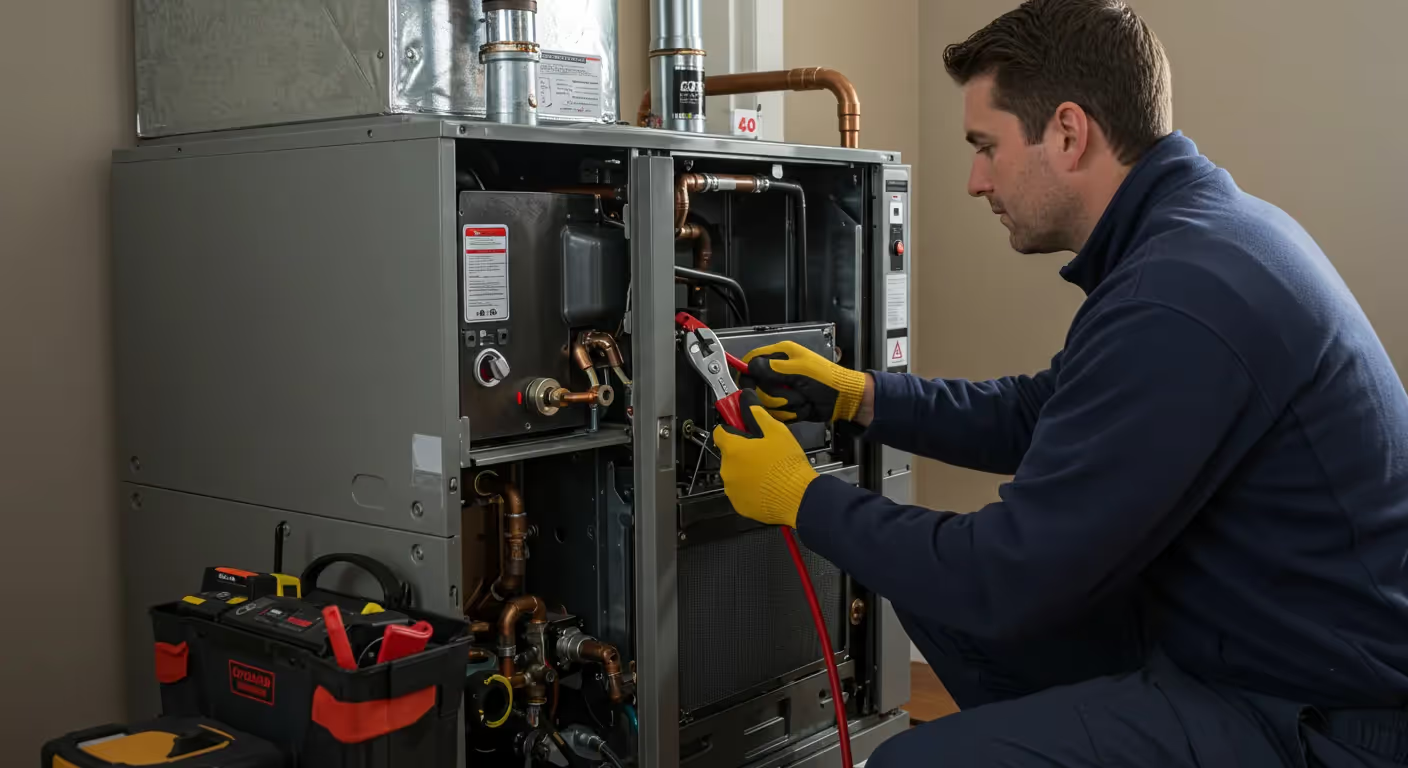
During the physical installation, the old unit is disconnected and removed. This involves shutting off gas lines and electrical power, then carefully detaching the unit from the plenum and flue pipe. The area is cleaned and prepared for the new equipment. If the existing ductwork requires modification to accommodate the new unit’s airflow requirements, those adjustments are made prior to setting the new furnace in place.
The installation sequence typically follows these steps:
- Positioning the new unit on a vibration-isolation pad or leveling blocks.
- Connecting the plenum and sealing all joints with mastic or foil tape to prevent air leakage.
- Reconnecting the gas line with a new sediment trap (drip leg) to protect the gas valve.
- Installing the flue pipe, ensuring proper slope and diameter for adequate drafting.
- Wiring the high-voltage power supply and low-voltage thermostat controls.
- Installing a new condensate drain system for high-efficiency condensing furnaces.
- Performing a final combustion analysis to verify oxygen and carbon monoxide levels.
Deciding Between Repair and Replacement
Homeowners often struggle with the decision to repair an aging unit or invest in a new system. This decision relies on a combination of financial logic, safety considerations, and future planning. While a quick fix might seem attractive, it can sometimes be a temporary solution that delays the inevitable, costing more in the long run.
The age of the system is the most significant factor. Heating systems typically last between 15 and 20 years. As a unit approaches the end of this window, parts become obsolete, and the risk of a catastrophic failure, such as a cracked heat exchanger, increases. If a system is over 15 years old and requires a major repair, replacement is usually the recommended path.
Efficiency degradation is another critical metric. Older furnaces may operate at 60% to 70% AFUE, meaning 30 to 40 cents of every dollar spent on heating is wasted. Modern systems can achieve up to 98% AFUE. The monthly savings on utility bills can offset the cost of a new installation over time. If your energy bills have been steadily rising despite consistent usage, the equipment is losing its ability to transfer heat effectively.
Consider replacement if you encounter these scenarios:
- The cost of the repair equals 50% or more of the value of a new system.
- You have required frequent repairs over the last two winters.
- The system makes excessive noise, such as banging, rattling, or squealing.
- Some rooms in the house are too hot while others remain freezing.
- There are visible signs of rust or moisture around the base of the furnace.
- Mr.Freeze Heating & Cooling technicians detect carbon monoxide or safety breaches during a check.
Local Climate Considerations and Compliance
Operating a heating system in Griffith requires specific attention to the regional climate. The freeze-thaw cycles common in Indiana can wreak havoc on venting systems and outdoor heat pump units. Snow accumulation around intake and exhaust pipes is a frequent issue that can cause furnaces to shut down unexpectedly. Residents must ensure that their systems are designed to handle rapid temperature drops, maintaining indoor comfort even when outdoor temperatures plunge below zero.
Local codes and regulations play a vital role in heating work. Unlike minor home repairs, working on gas lines and high-voltage electrical circuits requires adherence to strict safety protocols. Permits are often required for equipment replacement to ensure the installation meets current building standards. This includes verifying that the venting system is compatible with the new unit—especially when upgrading from a standard efficiency furnace to a high-efficiency model, which requires PVC venting instead of metal.
Humidity control is also a major factor during local winters. Heating systems that dry out the air too much can cause discomfort and damage wood flooring. Conversely, systems that do not run long enough to circulate air can lead to condensation on windows. Integrating a whole-home humidifier or ensuring the furnace has a variable-speed blower can significantly improve indoor air quality and comfort during the dry winter months.
Key local maintenance tips include:
- Clearing snow and ice away from external vents and heat pumps after every storm.
- Changing air filters more frequently during peak winter usage to maintain airflow.
- Scheduling pre-season inspections before the first hard freeze to avoid the rush.
- Checking carbon monoxide detectors annually, as closed windows increase risk.
Preventive Maintenance Protocols
Reactive repair solves immediate problems, but preventive maintenance eliminates them before they start. A heating system is a significant investment, and neglecting it leads to premature failure. Regular tuning ensures that every component is operating within manufacturer specifications, which preserves the warranty and keeps energy consumption low.
During a maintenance appointment, the focus is on cleaning, tightening, and calibrating. Over time, vibrations loosen electrical connections, leading to arcing and component failure. Dust accumulation on the blower wheel acts as an insulator, causing the motor to run hotter and burn out faster. Even a thin layer of soot on a heat exchanger acts as a barrier to heat transfer, forcing the system to run longer to satisfy the thermostat setting.
Specific maintenance tasks include:
- Cleaning the flame sensor to prevent nuisance lockouts.
- Inspecting the heat exchanger for hairline cracks using a camera or smoke test.
- Checking the integrity of the flue pipe for corrosion or blockages.
- measuring the temperature rise across the heat exchanger to ensure it falls within the rated range.
- Testing the capacitor capacitance to prevent compressor or motor failure.
- Flushing condensate traps and lines to prevent water damage.
Why Professional Heating Service Matters
Choosing the right service provider determines the longevity and safety of your heating equipment. Professional service goes beyond swapping parts; it involves a holistic view of the home’s thermal envelope and the mechanical system’s performance. Certified technicians are trained to troubleshoot complex issues that go beyond the obvious symptoms.
For example, a furnace that keeps overheating may have a bad limit switch, but replacing the switch won't solve the underlying airflow restriction that caused it to fail. A professional identifies the root cause—whether it’s undersized ductwork, a dirty coil, or an improper fan speed setting—and corrects it. This depth of service prevents recurring issues and ensures the safety of the household.
Safety is paramount when dealing with combustion appliances. A cracked heat exchanger or a back-drafting flue can release odorless, colorless carbon monoxide into the living space. Professionals use sensitive combustion analyzers to detect even trace amounts of gas, ensuring the air you breathe is safe. Furthermore, proper handling of refrigerants and gas connections protects the environment and your property.
When you require heating service that prioritizes safety, efficiency, and long-term reliability, you need a team that understands the technical demands of modern HVAC equipment. Mr.Freeze Heating & Cooling provides the expertise required to keep your home warm regardless of the weather outside.
Restore Your Comfort Today
Don't let a failing furnace compromise your safety or comfort this winter. Whether you need an urgent repair, a routine safety inspection, or a complete system replacement, prompt action is the key to avoiding a total breakdown. Secure your peace of mind and ensure your home stays warm through the coldest nights.
Contact us today to schedule your heating service.