
Is Your Home Heating Failing When You Need It Most?
Don't let old, inefficient heating make your winter unbearable. Discover why so many residents in Northwest Indiana trust Mr.Freeze Heating & Cooling for swift, efficient heating installations. Contact us today to schedule your consultation or inquire about our flexible financing options.
- Immediate online estimates to plan your installation without waiting.
- 24/7 availability ensures your heating needs are met around the clock.
- Experienced technicians providing service within hours, not days.
All installations are fully licensed, insured, and aligned with local building codes.
Immediate Reliability and Modern Efficiency
When your heating system falters during a deep freeze in Portage or St. John, waiting days for a solution is not an option. You need a system that performs immediately and operates efficiently to combat the average low temperatures that drop well below freezing. Securing a professional installation today means eliminating the uncertainty of an aging unit and replacing it with consistent, reliable warmth.
Modern heating systems provide more than just heat; they offer precision control over your indoor climate. High-efficiency units utilize advanced technology to modulate heat output, ensuring that every corner of your home remains comfortable without the energy waste associated with older models. By choosing a top-rated installation service, you gain access to equipment that runs quieter, lasts longer, and reduces monthly utility demands.
The primary advantage of acting now is the availability of same-day service and online estimates. You no longer need to navigate a lengthy bidding process. Immediate access to pricing and scheduling empowers you to make an informed decision quickly, restoring comfort to your property before the internal temperature drops dangerously low.
The Installation Experience: What to Expect
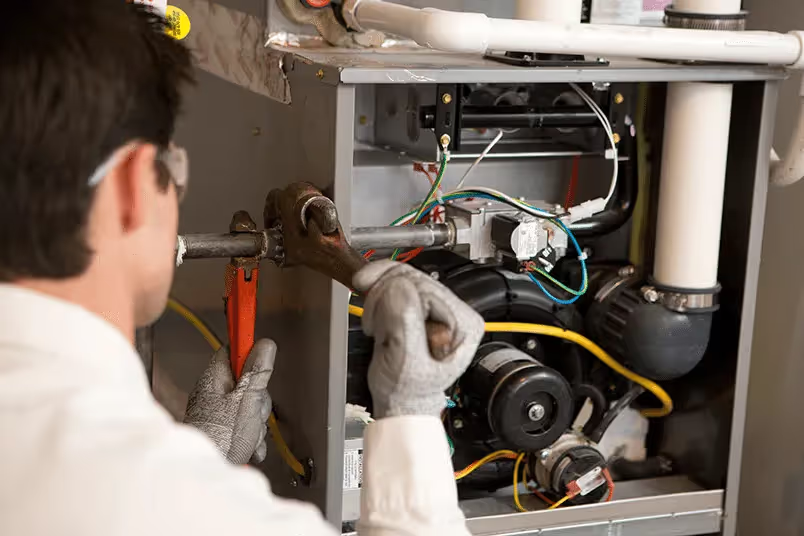
A professional heating installation is a rigorous, multi-step process designed to ensure safety and longevity. It goes far beyond simply swapping one metal box for another. The process begins with a technical assessment of your home’s specific heating load requirements, ensuring the new unit is perfectly sized for your square footage and insulation levels.
Initial Assessment and Removal
- Technicians arrive on time, equipped with the necessary tools and protective gear to keep your home clean.
- The workspace is prepared with drop cloths and floor protectors to prevent damage to your property.
- Gas and electrical connections to the existing unit are safely disconnected and capped.
- The old furnace or heat pump is carefully disconnected from the ductwork and removed from the premises for proper disposal.
System Placement and Connection
- The new heating unit is positioned and leveled to ensure proper drainage and operation.
- Plenum adapters are fabricated or adjusted to create an airtight seal between the new unit and your existing ductwork.
- Gas lines are reconnected using new fittings and tested strictly for leaks to ensure safety.
- Electrical wiring is updated to match the amperage requirements of the new, more efficient equipment.
- Flue pipes and venting systems are inspected and connected to ensure carbon monoxide is safely exhausted outside the home.
Calibration and Testing
- The system is powered on, and technicians adjust the gas pressure to the manufacturer’s specifications.
- Airflow is measured to guarantee that warm air reaches every room effectively.
- The thermostat is calibrated or replaced to communicate correctly with the new system.
- A final safety cycle is run to verify that all limit switches and safety sensors are functioning correctly.
- The technician walks you through the operation of the new system and explains filter maintenance requirements.
Deciding Between Repair and Replacement
Homeowners often struggle with the decision to repair a failing unit or invest in a new installation. While repairs can be cheaper in the short term, they are often a temporary fix for a system that is nearing the end of its life. Understanding the financial and functional tipping points helps you make the most cost-effective choice for your home.
The Age of the System
Heating systems typically have a lifespan of 15 to 20 years. If your furnace is approaching or has exceeded this age range, replacement is usually the smarter financial move. Components in older units wear out in succession; replacing a blower motor today does not guarantee the heat exchanger won’t fail next month. Installing a new system resets the clock, providing you with a full warranty and years of worry-free operation.
The 50% Rule
A common industry standard for decision-making is the 50% rule. If the cost of a necessary repair approaches 50% of the cost of a brand-new system, replacement is the better investment. Spending half the cost of a new unit on an old, out-of-warranty machine offers a poor return on investment, whereas putting that money toward a modern system yields immediate energy savings and reliability.
Frequency of Breakdowns
If you find yourself calling for service multiple times in a single season, the system has become a liability. Reliable heating is essential in regions like St. John and Portage, where winter temperatures are unforgiving. Constant breakdowns not only incur repeated service call fees but also pose a risk of total failure during a cold snap. A new installation eliminates this cycle of unreliability.
Rising Energy Bills
An unexplained increase in energy costs often indicates that the heating system is losing efficiency. As internal parts wear and heat exchangers foul, the unit must run longer to maintain the set temperature. Upgrading to a modern system with a high AFUE (Annual Fuel Utilization Efficiency) rating can significantly reduce monthly operational costs, helping the new unit pay for itself over time.
Local Climate and Regulatory Considerations
Installing a heating system in Northwest Indiana requires specific attention to regional challenges. The humid continental climate brings distinct seasons, with winters that feature heavy snowfall and biting winds. Equipment installed in this region must be robust enough to handle the 40 inches of annual snowfall and extended periods where temperatures hover around 17°F.
Coping with Lake Effect Conditions
Residents in Portage are familiar with lake-effect snow and humidity. These environmental factors influence the choice of equipment. Outdoor units, such as heat pumps, must be elevated and shielded to prevent snow accumulation from blocking airflow. Furthermore, because the region experiences high humidity in late spring and summer, the blower motor on your heating system plays a crucial role in year-round humidity control. Technicians ensure the selected unit works in harmony with your cooling system to manage moisture levels effectively.
Navigating Permits and Codes
Every installation in Portage and St. John is subject to local building codes and permit requirements. These regulations exist to ensure that gas piping, electrical work, and venting meet strict safety standards. Mr.Freeze Heating & Cooling handles the permitting process, ensuring that the installation passes all municipal inspections. This compliance is critical not only for safety but also for maintaining the validity of your home insurance and the manufacturer's warranty.
Utility Rebates and Incentives
Local utility providers often offer rebates for upgrading to high-efficiency heating equipment. These programs are designed to reduce the load on the grid during peak winter months. Professional installers are familiar with the current criteria for these rebates and can provide the necessary documentation, such as model numbers and AHRI certificates, to help you claim these savings.
Why Professional Sizing Matters
One of the most critical aspects of a heating installation is the load calculation. Guesswork in this stage leads to performance issues that plague the system for its entire lifespan. An oversized unit will heat the house too quickly and shut off, a process known as short-cycling. This causes excessive wear on components, uneven temperatures between rooms, and higher energy bills. Conversely, an undersized unit will run continuously, failing to reach the thermostat setpoint on the coldest days of the year.
Professional installation utilizes Manual J load calculations. This method accounts for factors such as:
- Total square footage and ceiling height.
- Quality and R-value of insulation in walls and attics.
- Number, type, and orientation of windows.
- Air leakage rates and ductwork condition.
- Internal heat loads from appliances and occupants.
By strictly adhering to these calculations, the installation ensures that the new system delivers precise comfort and operates at peak efficiency. This level of technical detail differentiates a professional installation from a simple equipment swap.
Ensuring Long-Term System Health
The installation day is just the beginning of your heating system’s lifecycle. A correct installation sets the baseline for future performance. Manufacturers engineer their equipment to perform within specific parameters regarding static pressure and temperature rise. During installation, technicians verify these metrics to ensure the factory-rated efficiency is achieved in your actual home environment.
Proper installation also dictates how easy the system is to maintain. Technicians ensure that access panels are reachable, filter slots are accessible, and service disconnects are visible. This foresight simplifies future annual maintenance, encouraging regular upkeep that extends the life of the unit. Neglecting these installation details can lead to difficult service calls later, potentially increasing labor costs for routine repairs.
Furthermore, warranty registration is a key step in the installation process. Manufacturers require proof of professional installation to honor parts warranties. By utilizing a certified service, you ensure that the paperwork is handled correctly, protecting your investment for up to ten years or more depending on the brand and model selected.
Technical Precision for Maximum Comfort
The difference between a drafty home and a cozy sanctuary often lies in the quality of the ductwork transitions and air sealing performed during installation. Leaky return air drops can pull in cold air from the basement or crawlspace, forcing the furnace to work harder. Professional installers seal these connections with mastic or foil tape, ensuring that the air circulating through your home is clean and heated efficiently.
Venting is another technical priority. High-efficiency furnaces produce condensation that must be drained properly. Incorrect piping can lead to water damage or furnace shutdowns. Installers route condensate lines to appropriate drains or pumps, verifying that the slope allows for proper flow. This attention to detail prevents water issues that could damage the flooring or the furnace control board.
Electrical safety is paramount. Modern furnaces utilize complex circuit boards that are sensitive to voltage fluctuations and improper grounding. Technicians verify the polarity of the electrical supply and ensure the ground connection is solid. This protects the sensitive electronics that control the blower motor and gas valve, ensuring reliable operation during storm-related power fluctuations common in the region.
Secure Your Comfort Today
Winter weather in Northwest Indiana is inevitable, but suffering through it with a failing heating system is not. A new installation provides immediate peace of mind, consistent warmth, and lower energy bills. By choosing a provider that prioritizes technical accuracy, code compliance, and swift service, you protect your home and your family from the harsh elements.
Whether you reside near the lake in Portage or in the neighborhoods of St. John, reliable heating is a necessity. Don't wait for a total system failure to address your heating needs. Take control of your indoor climate with a system designed for the long haul. Mr.Freeze Heating & Cooling is ready to help you navigate the options and execute a flawless installation. Get your free online estimate now and schedule your installation to ensure a warm, comfortable home all winter long.