
Experience Uninterrupted Comfort with Professional Ductless Installation
Don't let inconsistent temperatures or the lack of existing ductwork ruin your comfort at home. Mr.Freeze Heating & Cooling delivers efficient ductless mini-split solutions to residents in St. John and Portage, ensuring precise climate control without the invasiveness of major renovations. Contact us today to schedule a site evaluation or inquire about our available financing options.
- Fast, professional installation—get up and running within a day.
- Reduce your energy bills with high-efficiency systems tailored to your needs.
- Enjoy peace of mind with comprehensive warranties and expert support.
All installations are fully licensed, insured, and adhere to local building codes—financing options available.
What You Can Expect From a Modern Ductless System
Homeowners often face a difficult choice when adding climate control to a room without existing vents: sacrifice a window to a loud, inefficient AC unit or tear open walls to extend central ductwork. A ductless mini-split installation offers a superior third option that solves these issues immediately. This technology allows you to establish specific temperature zones in your home, providing heating and cooling exactly where you need it, rather than conditioning the entire house to manage one problem area.
When you choose a professional installation, you gain access to inverter technology. Unlike traditional HVAC systems that cycle on and off—consuming massive amounts of energy during startup—ductless compressors ramp up or down based on the specific demand of the room. This variable-speed operation maintains a consistent temperature with minimal fluctuation. Residents in Portage and St. John benefit significantly from this efficiency, seeing immediate reductions in monthly utility costs compared to window units or space heaters.
The scope of a standard installation includes the mounting of the outdoor condenser unit, the installation of the indoor air handler, and the connection of the refrigerant lines and electrical wiring. This system provides both cooling and heating capabilities. The indoor units are sleek and unobtrusive, typically mounted high on a wall, though floor-mounted and recessed ceiling cassette options exist for specific aesthetic requirements. Because there are no ducts to leak air, you also eliminate the energy loss associated with forced-air systems, which can account for up to 30% of energy consumption in traditional setups.
How the Installation Process Works
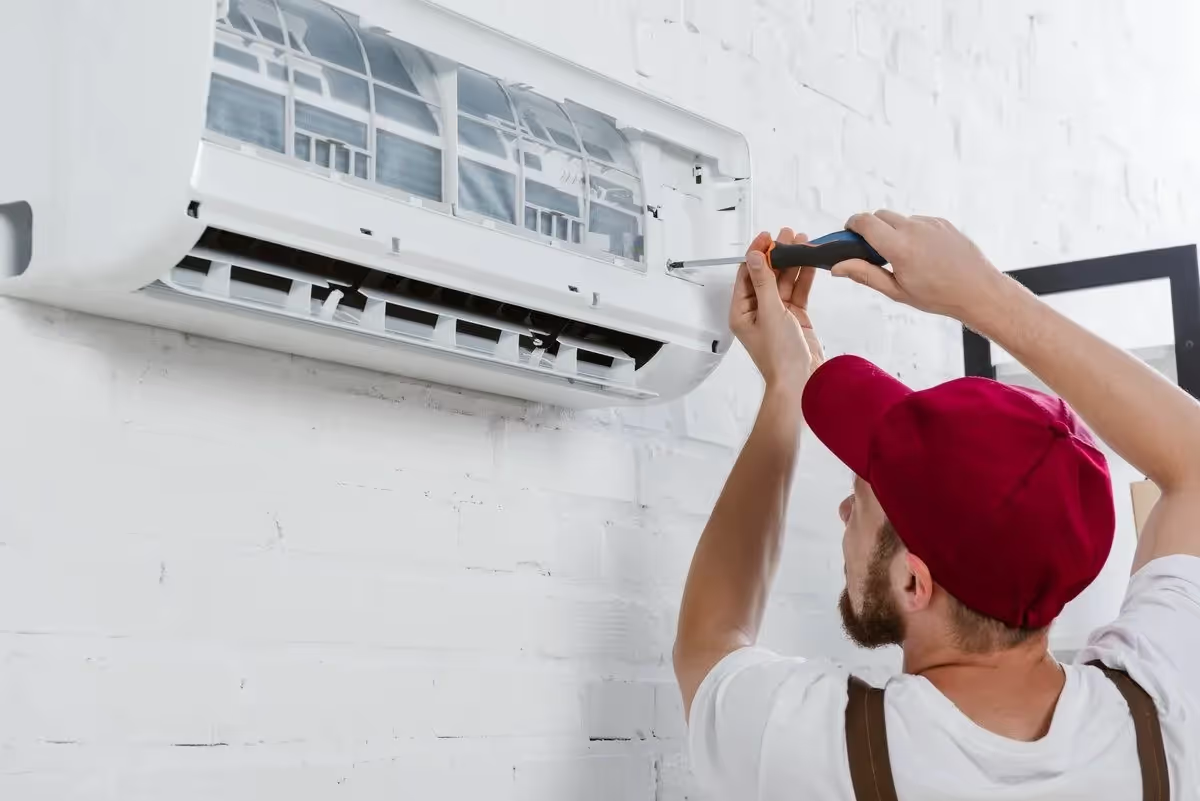
Professional implementation of a ductless system is significantly faster and cleaner than installing central air. However, it requires specialized tools and handling of refrigerants, making it a strict job for certified technicians. The process is designed to be low-impact, preserving the structural integrity and aesthetics of your home.
Site Assessment and Load Calculation
The process begins with a calculation of the heating and cooling load for the specific space. Technicians measure the square footage, assess insulation levels, check window orientation, and evaluate potential heat gain. This ensures the unit selected has the correct BTU capacity. An oversized unit will short-cycle and leave the room humid, while an undersized unit will run constantly without reaching the desired temperature.
Mounting the Indoor Unit
Technicians locate a spot on an interior wall that allows for optimal airflow distribution and accessibility for future filter cleaning. A mounting plate is secured to the wall studs to support the weight of the air handler. The location is carefully chosen to ensure the unit is level and has the necessary clearance from ceilings and adjacent walls for proper operation.
Drilling the Conduit Hole
One of the main advantages of this system is the minimal penetration required. A small hole, typically three inches in diameter, is drilled through the exterior wall. This opening accommodates the refrigerant lines, condensate drain tube, and electrical cables. The hole is drilled at a slight downward angle to facilitate proper drainage.
Installing the Outdoor Condenser
The outdoor unit is positioned outside the home, either on a concrete pad or mounted to the exterior wall using brackets. This placement is critical; it must be level and elevated enough to avoid being buried by heavy snowfall common in Indiana winters. Technicians ensure there is adequate airflow around the unit to prevent overheating.
Connecting the Lines
The refrigerant lines and communication wires are fed through the conduit hole and connected between the indoor and outdoor units. The lines are insulated to prevent energy loss and condensation. The technicians then pressure test the lines to check for leaks and evacuate the system to remove moisture and air before releasing the refrigerant.
Final Testing and Walkthrough
Once connected, the system is powered on. Technicians test both heating and cooling modes, check the drain line for proper flow, and verify that the remote control or wall thermostat is communicating correctly with the unit. You will receive a walkthrough of the features, including how to operate the vanes, set timers, and clean the reusable filters.
Deciding When to Retrofit or Upgrade to Ductless
Determining whether to repair an existing window unit, extend central ductwork, or install a ductless system depends on long-term goals and current inefficiencies. Many homeowners struggle with "problem rooms"—bonus rooms over garages, sunrooms, or master bedrooms that never seem to reach the same temperature as the rest of the house.
If you are currently relying on window air conditioners, you are likely dealing with noise, security risks, and blocked views. Window units are notoriously inefficient and leave gaps that allow conditioned air to escape and pests or allergens to enter. Upgrading to a ductless system eliminates the security risk of an open window and provides whisper-quiet operation, making it ideal for bedrooms and home offices.
For those considering extending central air to a new addition, the cost of fabricating and running new ductwork can be prohibitive. Furthermore, extending a central system puts additional strain on your existing furnace and AC, potentially shortening their lifespan if they were not sized to handle the extra square footage. A ductless install operates independently, preserving the longevity of your main system.
In scenarios where an older home relies on baseboard heating or boilers, there is no ductwork to utilize for cooling. Ductless mini-splits are the most logical solution here, adding air conditioning without the need to build bulkheads to hide new ducts. Additionally, because these units are heat pumps, they provide an efficient supplemental heating source during the shoulder seasons, allowing you to delay turning on the boiler until deep winter.
Navigating Local Climate and Regulatory Factors
Operating HVAC equipment in the Midwest requires specific considerations regarding climate resilience. The region experiences a humid continental climate, characterized by hot, sticky summers and winters that see significant snowfall and freezing temperatures.
Heat Pump Performance in Cold Weather
Standard heat pumps can lose efficiency when temperatures drop below freezing. However, modern ductless systems designed for Northern climates feature "hyper-heating" capabilities. These units can extract heat from the outside air even when temperatures drop well below zero. For residents in Portage and St. John, selecting a unit with a low-ambient heating rating is essential to ensure comfort during January and February.
Humidity Control
Summer humidity in Indiana can be oppressive. Oversized central AC systems often cool a house too quickly, satisfying the thermostat before removing the humidity, leading to a "clammy" feeling. Ductless systems run for longer cycles at lower speeds, which serves as a dedicated dehumidification process. This results in a drier, more comfortable indoor environment even at higher thermostat settings.
Permitting and Electrical Codes
Installation involves high-voltage electrical work. A dedicated circuit is usually required at the electrical panel to power the outdoor unit. Professional installers handle the necessary load calculations to ensure your panel can support the new equipment. Adherence to local building codes in St. John and Portage is non-negotiable. This includes disconnect box placement, wire sizing, and proper grounding. Unpermitted work can lead to fines, voided home insurance claims, and complications when selling the property.
Condensate Management
In the summer, the unit removes moisture from the air, which must be drained away. If the indoor unit is on an interior wall, a condensate pump may be required to move the water to the exterior. In winter, the outdoor unit will produce water as it defrosts. Proper elevation and drainage planning prevent this water from freezing on walkways or damaging the foundation.
Why Technical Precision Matters for Long-Term Efficiency
The longevity and efficiency of a ductless system are almost entirely dependent on the quality of the installation. While the hardware itself is robust, the connections between the indoor and outdoor components are delicate. A "flare connection" that is slightly misaligned can lead to a slow refrigerant leak. This not only harms the environment but eventually causes the compressor to overheat and fail, leading to expensive repairs.
Mr.Freeze Heating & Cooling technicians utilize torque wrenches to exact manufacturer specifications and digital micron gauges to ensure a perfect vacuum before charging the system. This level of precision prevents non-condensables (like air and moisture) from contaminating the refrigerant loop, which is a leading cause of premature system death.
Placement strategy also plays a vital role in comfort. An amateur might place a unit where it is easiest to drill, rather than where it provides the best air mixing. Professional installers understand airflow dynamics. They position units to avoid "short-cycling," where the unit blows air onto a nearby obstruction and thinks the room is satisfied, shutting off prematurely. They also consider the aesthetic impact on the exterior of the home, running line sets through discreet paths and covering them with architectural trunking that matches the siding.
Furthermore, post-installation support distinguishes a professional service. Modern mini-splits utilize complex electronics and sensors. Having a local provider means access to proprietary diagnostic tools and parts availability. Warranties often require proof of professional installation; DIY or handyman attempts can void the manufacturer’s coverage immediately. By securing a professional installation, you protect your investment and ensure the system operates at its rated SEER (Seasonal Energy Efficiency Ratio).
Don’t Let Extreme Seasons Control Your Home: Upgrade to Ductless Comfort Today
Whether you are looking to condition a new home office, a converted garage, or an entire older home, the path to consistent comfort begins with proper system selection and expert implementation. Ensure your home remains a sanctuary against the humid summers and freezing winters.
Take the next step toward efficient, zoned comfort. Contact us today to discuss your ductless installation options.