
Experience Immediate Comfort with Our Heat Pump Installation
Struggling with an inefficient or broken heating system in Whiting, IN? Our rapid deployment ensures your new heat pump is installed without delay, restoring your home's temperature regulation immediately. Contact us now to secure an installation slot or to discuss available financing options for your new system.
- Fast installation services covering Whiting and neighboring areas.
- High-efficiency systems tailored to handle local climate extremes, from freezing winters to humid summers.
- 24/7 emergency service availability to ensure your comfort is never compromised.
All installations are fully insured and backed by a comprehensive warranty. Mr.Freeze Heating & Cooling provides the technical expertise required to upgrade your home’s climate control system efficiently.
What to Expect From Professional Heat Pump Installation
Investing in a new heat pump is a significant decision that impacts your property’s value, energy consumption, and daily comfort. Unlike standard furnaces or air conditioners, a heat pump serves a dual purpose, managing both heating and cooling loads. This complexity requires a comprehensive installation scope that goes beyond simply swapping out a box. When you schedule an installation in Whiting, you are securing a complete system overhaul designed to maximize energy efficiency and equipment longevity.
A professional installation includes a full assessment of your current infrastructure. This involves examining the existing ductwork to ensure it can handle the airflow requirements of a modern, high-efficiency heat pump. Older duct systems often suffer from leaks or inadequate sizing, which can severely undercut the performance of a new unit. Our service includes sealing minor leaks and recommending modifications if the current ducts are incompatible with the static pressure requirements of the new equipment.
You also receive a complete system calibration. Factory settings are rarely optimized for the specific thermal dynamics of a specific home. We adjust blower speeds, refrigerant charges, and thermostat distinctives to match your home’s insulation levels and square footage. This ensures that the system runs at its rated SEER (Seasonal Energy Efficiency Ratio) and HSPF (Heating Seasonal Performance Factor), delivering the energy savings promised on the energy guide label. The scope of work covers the removal and environmentally safe disposal of your old unit, adherence to all EPA regulations regarding refrigerant handling, and a final walkthrough to demonstrate the operation of your new climate control interface.
Step-by-Step Installation Protocol
A proper installation follows a strict, technically sound sequence to ensure safety and performance. Cutting corners during the initial setup leads to compressor failure, refrigerant leaks, and inefficient heat transfer. We utilize a methodical approach to ensure every component interacts correctly.
- Load Calculation and Sizing: The process begins with a Manual J load calculation. We do not guess the size of the unit based on the previous equipment, as older units were frequently oversized. We measure windows, insulation, floor space, and orientation to determine the exact heating and cooling load required for your Whiting home. This prevents "short-cycling," a condition where an oversized unit turns on and off too frequently, wearing out components prematurely.
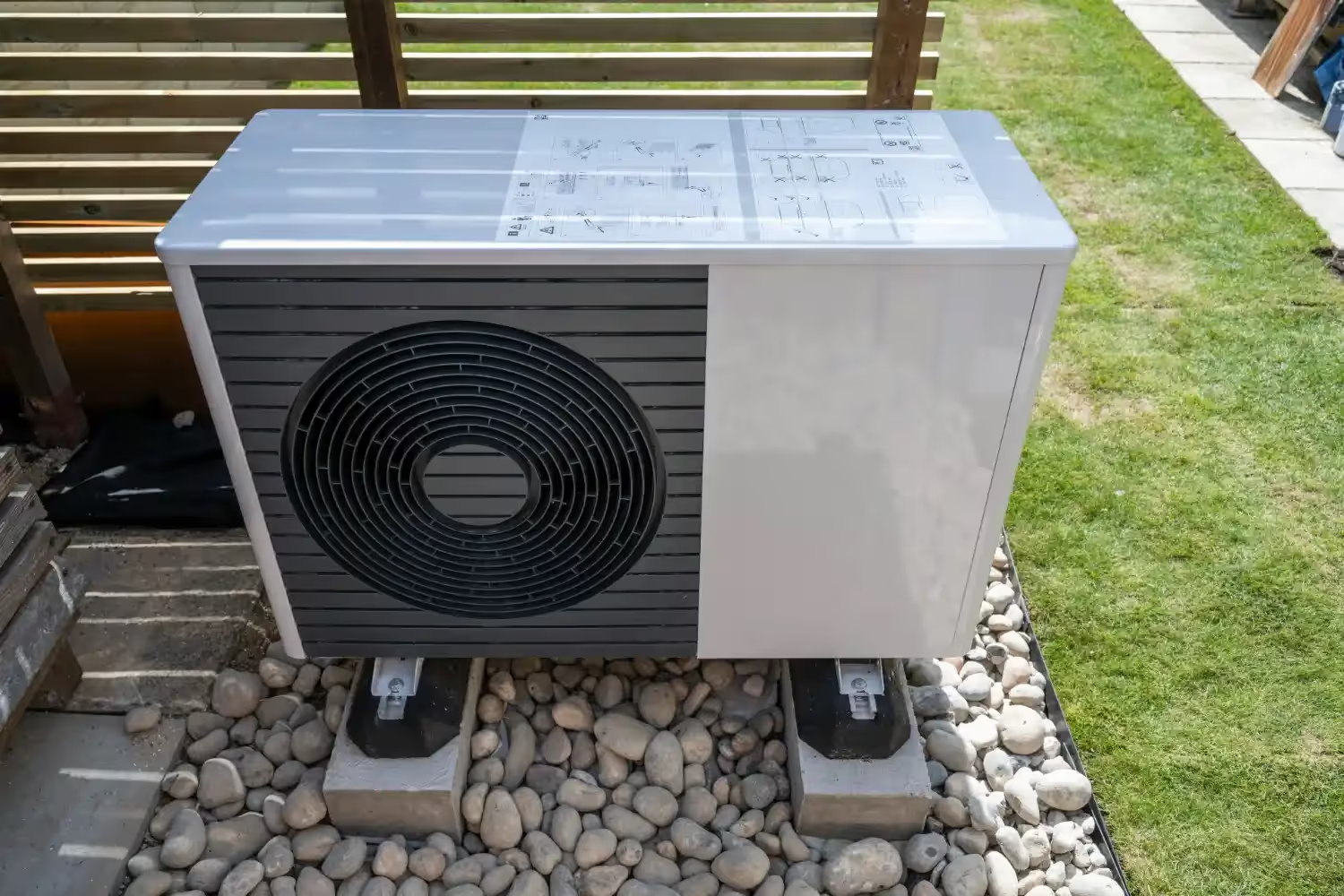
- Site Preparation and Pad Stabilization: The outdoor condenser unit requires a stable, level surface to operate correctly. We clear the designated area of debris and vegetation. If the existing concrete pad is cracked or unlevel, we level it or replace it with a composite pad designed to dampen vibration and reduce noise. Proper clearance is established around the unit to ensure adequate airflow, which is critical for the heat exchange process.
- Indoor Air Handler Installation: The indoor unit, or air handler, is positioned to align perfectly with the supply and return, plenums. We ensure the unit is suspended or mounted securely to prevent vibration transfer into the home’s framing. During this step, we also install a secondary drain pan and a safety float switch. This safeguards your property against water damage in the event the primary condensate drain becomes clogged.
- Refrigerant Line Set Connection: Copper refrigerant lines connect the indoor and outdoor units. These lines must be brazed using nitrogen purging techniques to prevent oxidation inside the pipes. Once connected, we pressure test the lines with nitrogen to identify any leaks before charging the system. A vacuum pump is then used to remove moisture and non-condensables from the lines, ensuring a pure, closed-loop system.
- Electrical and Control Wiring: High-voltage wiring is connected from the disconnect box to the unit, adhering to all local electrical codes. Mr.Freeze Heating & Cooling technicians verify that the wire gauge and breaker size match the manufacturer’s specifications to prevent fire hazards. Low-voltage control wiring is then routed to the thermostat, ensuring seamless communication between the user interface and the mechanical equipment.
- System Startup and Commissioning: The final step involves releasing the refrigerant and starting the system. We measure superheat and subcooling levels to fine-tune the refrigerant charge. We also test the temperature rise (in heating mode) and temperature drop (in cooling mode) across the coil to verify the system is transferring heat effectively.
Critical Decision: When to Replace vs. Repair
Determining whether to repair an aging system or invest in a new installation is a financial and logical calculation. While repairs may seem cheaper upfront, the long-term costs of operating an obsolete or failing system often outweigh the price of replacement. Homeowners in Whiting must weigh the age of the unit against the cost of keeping it running.
- The 50% Rule: If the cost of a necessary repair approaches 50% of the value of a new system, replacement is the financially sound choice. Spending significant capital on a compressor or motor for a unit that is already 10 years old is rarely a good investment, as other components are likely to fail soon after.
- Age and Refrigerant Type: Heat pumps have an average lifespan of 10 to 15 years. If your unit is approaching this age range, its efficiency has likely degraded significantly. Furthermore, if your system utilizes R-22 refrigerant (Freon), repair costs will be astronomical due to the phase-out of this chemical. Modern systems use R-410A or newer refrigerants, which are more efficient, environmentally friendly, and cheaper to service.
- Frequency of Breakdowns: If you have required emergency service more than once in the last two seasons, the system has become unreliable. Frequent breakdowns are a sign that the internal components are fatigued. Continuing to patch a failing system results in higher cumulative repair bills and the inconvenience of unpredictable heating loss during Indiana's cold snaps.
- Rising Energy Bills: A steady increase in utility bills, despite consistent usage habits, indicates that the heat pump is working harder to achieve the same results. As internal coils corrode and motors wear down, the system draws more amperage. Replacing it with a high-efficiency inverter-driven heat pump can drastically reduce monthly energy expenditures, helping the new system pay for itself over time.
- Comfort Issues: If some rooms are freezing while others are hot, or if the unit struggles to maintain the set temperature when the outdoor mercury drops, the current system is likely undersized or failing. New installations correct these comfort imbalances through proper sizing and modern variable-speed technology.
Whiting Local Considerations: Permits, Climate, and Utilities
Operating a heat pump in Indiana requires specific attention to regional factors. The local climate features significant variances, from sub-zero winter nights to humid summer days. This affects the type of equipment selected and how the installation is executed.
- Climate-Specific Equipment Selection: Standard heat pumps can lose efficiency when temperatures drop below freezing. For this region, we often recommend "cold climate" heat pumps or dual-fuel (hybrid) systems. A dual-fuel system pairs an electric heat pump with a gas furnace. The heat pump handles moderate temperatures efficiently, while the system automatically switches to the gas furnace during extreme cold snaps. This setup ensures your home remains warm regardless of how low the temperature drops.
- Permitting and Code Compliance: Installation of HVAC equipment in Whiting requires adherence to specific building codes. These regulations govern everything from electrical connections to the distance of the unit from the property line. Failure to obtain the necessary permits can result in fines, issues with selling the home in the future, or voided insurance claims in the event of an accident. We manage the permitting process, ensuring that the installation passes all municipal inspections.
- Utility Rebates and Incentives: Utility providers in the area, such as NIPSCO, frequently offer rebates for homeowners who upgrade to high-efficiency electric heating systems. These programs are designed to reduce the load on the grid. To qualify, the equipment must meet specific SEER2 and HSPF2 ratings. We guide you toward equipment that meets these criteria, helping you maximize available financial incentives to lower the net cost of installation.
- Seasonality and Scheduling: The best time to install a heat pump is during the shoulder seasons—spring or fall. Waiting until the peak of winter or the heat of summer often results in longer wait times due to high demand for emergency repairs. Proactive replacement ensures you are prepared before the extreme weather arrives.
Technical Expertise and Warranty Protection
Selecting the right contractor is as important as selecting the right brand of equipment. A heat pump is a sophisticated piece of machinery that relies on precise pressures and voltages. Improper installation is the leading cause of premature system failure and efficiency loss.
- Licensed and Insured Professionals: You need technicians who are fully licensed to operate in Indiana and carry adequate liability and worker’s compensation insurance. This protects the homeowner from liability in the event of an accident during the project.
- EPA Certification: Handling refrigerants requires Section 608 certification from the Environmental Protection Agency. This ensures that refrigerants are recovered and charged responsibly, protecting the environment and ensuring the system operates at peak safety levels.
- Warranty Registration and Support: Most manufacturers require proof of professional installation to honor their parts warranties. We handle the registration of your equipment warranty, ensuring you are covered for parts and compressors for the full term, typically 10 years. Additionally, we provide labor warranties on our workmanship, giving you peace of mind that the installation was done correctly.
By choosing a dedicated service provider, you ensure that your investment is protected and your home remains comfortable year-round. Secure your home’s thermal efficiency and reliability today.
Upgrade to Year-Round Comfort with a Heat Pump Built for Whiting
A properly installed heat pump delivers dependable heating in winter, efficient cooling in summer, and lower energy waste year-round—especially when tailored to Whiting’s temperature swings and humidity demands. With correct sizing, code-compliant installation, and precision commissioning, you gain comfort you can count on and efficiency that pays you back over time.
Don't wait for a total system failure—schedule your heat pump installation consultation now.