
Is Your Air Conditioning Unit Blowing Warm Air or Shutting Down?
When your AC falters, the comfort of your home is compromised, especially during Hobart’s peak summer heat. You need a reliable, quick solution that restores your peace of mind and cool air immediately. Contact us now to schedule an assessment or inquire about our flexible financing options for a new system.
Waiting for a technician while the indoor temperature rises is frustrating and potentially dangerous during extreme weather. We prioritize getting your home back to a livable temperature through efficient, professional replacement services.
- Get a same-day AC replacement to beat the heat quickly.
- Ensure long-term comfort with high-efficiency systems eligible for rebates.
- 24/7 emergency service ensures help is always a call away.
Licensed and insured professionals provide warranties and flexible financing options to make your replacement stress-free.
What You Get With a Professional System Replacement
Choosing to install a new air conditioner is a significant investment in your property and your daily comfort. A professional replacement goes far beyond simply swapping out one metal box for another. It involves a comprehensive approach to ensure the new unit interacts correctly with your home’s ventilation, electrical systems, and specific cooling load requirements.
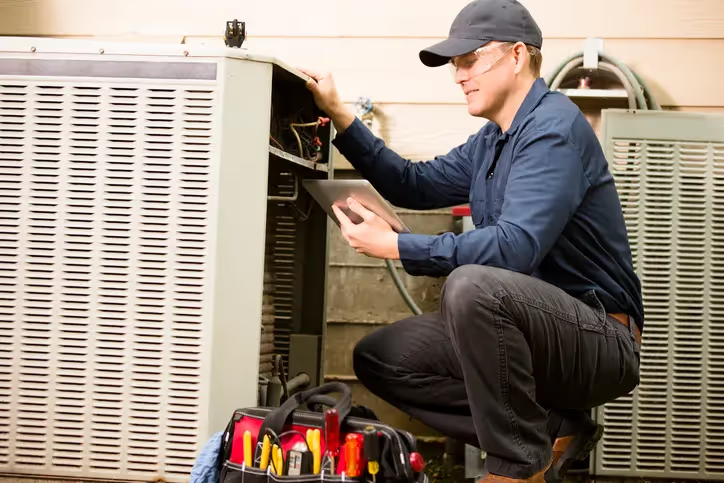
When you authorize a replacement, the immediate goal is minimizing downtime. Most residential installations are completed within a single day. The service includes the safe disconnection and environmentally responsible disposal of your old unit, ensuring no hazardous refrigerants are leaked. Following the removal, the focus shifts to preparing the site for the new equipment. This includes inspecting the existing ductwork for leaks or disconnects that could undermine the efficiency of the new system.
Modern installation standards also require a precise load calculation. Many older homes in Hobart were originally fitted with units that were either oversized or undersized. An oversized unit cools the air too fast without removing humidity, leading to a clammy indoor environment. An undersized unit runs continuously, driving up electricity bills without ever achieving the set temperature. A professional installation guarantees the new system is sized exactly for your square footage, insulation levels, and window orientation.
The Installation Process: From Assessment to Airflow
Understanding the steps involved in an AC replacement can alleviate the anxiety of a major home project. The process is systematic and designed to protect your home while ensuring the equipment operates at peak manufacturer specifications.
- Site Evaluation and Sizing: Technicians perform a Manual J load calculation to determine the exact cooling capacity required. This accounts for local climate data and the thermal characteristics of your specific building.
- Protection of Property: Drop cloths and protective gear are used to ensure your floors and surroundings remain clean during the removal of the heavy old equipment.
- Safe Removal: The old condenser and evaporator coil are disconnected. Refrigerant is recovered according to EPA regulations to prevent environmental contamination.
- System Installation: The new outdoor condenser is positioned on a level pad to minimize vibration and noise. The indoor evaporator coil is installed within the plenum or air handler.
- Line Set Connection: The copper tubing that connects the indoor and outdoor units is either flushed or replaced to ensure it can handle the pressure of modern refrigerants like R-410A or newer alternatives.
- Electrical and Thermostat Setup: High-voltage wiring is connected with safety disconnects, and the low-voltage wiring is integrated with your thermostat. Smart thermostats may be installed at this stage for better efficiency control.
- Vacuum and Charge: A vacuum pump removes moisture and air from the lines before the system is charged with the precise amount of refrigerant.
- Performance Testing: The system is run through a full cycle. Technicians measure static pressure, temperature drop (delta T), and airflow to verify performance.
Determining When to Repair vs. Replace
Deciding between another repair bill and a full replacement is one of the most common dilemmas homeowners face. While repairs can solve immediate issues, there is a tipping point where sinking money into an aging system becomes financially unwise.
You should consider replacement if your current unit is over 10 to 15 years old. Air conditioners have a finite lifespan, and once they pass the decade mark, major components like the compressor are at higher risk of failure. Additionally, older units often utilize R-22 (Freon), a refrigerant that has been phased out. Sourcing R-22 for a recharge is incredibly expensive, often costing nearly as much as a down payment on a new system.
Frequency of breakdown is another critical factor. If you have required repairs more than twice in the last two years, the system is signaling that it is nearing the end of its utility. This is often referred to as the "50% rule": if the cost of the repair approaches 50% of the value of the system (or the cost of a new one), replacement is the smarter financial move.
Energy efficiency is the final major indicator. Older systems often have SEER (Seasonal Energy Efficiency Ratio) ratings of 10 or less. Modern standards require a minimum of SEER2 13.4 in the North. Upgrading from an old 10 SEER unit to a modern 16 SEER system can reduce cooling costs by significant margins, effectively paying for a portion of the installation over time through monthly savings.
Local Climate Factors and Regulatory Compliance
Operating an air conditioner in Lake County requires equipment that can handle specific environmental challenges. The local climate is characterized by significant humidity swings and intense summer storms. A replacement system must do more than just lower the temperature; it must effectively dehumidify the air. Without proper humidity control, a cool house can still feel sticky and uncomfortable, and excess moisture can lead to mold growth in ductwork.
Mr.Freeze Heating & Cooling ensures that every installation meets local building codes and safety standards. In Hobart and the surrounding region, specific permits are often required to replace HVAC equipment. These permits are not just bureaucratic red tape; they are a safeguard to ensure that the electrical connections are safe and that the unit does not pose a fire hazard.
Furthermore, the electrical grid and utility providers in the area often have specific programs incentivizing energy efficiency. High-efficiency units may qualify for rebates from local utility companies like NIPSCO. Professional installers assist in identifying these opportunities and providing the necessary documentation to claim these savings. Failure to adhere to local codes or using unlicensed labor can void these rebate opportunities and manufacturer warranties.
The Importance of SEER2 Ratings in Northern Indiana
The efficiency of your air conditioner is measured by its SEER2 rating. This stands for Seasonal Energy Efficiency Ratio, with the "2" indicating the newer, more rigorous testing standard enforced by the Department of Energy as of 2023. This rating calculates the total cooling output over a typical cooling season divided by the total electric energy input.
In our region, where summer temperatures can spike into the high 80s and 90s with high humidity, a higher SEER2 rating translates directly to lower utility bills. While the federal minimum is set for the region, investing in a unit with a higher rating can provide better comfort. Higher SEER units often come with two-stage or variable-speed compressors.
- Single-Stage: The unit is either 100% on or 100% off. This is less efficient and can lead to temperature swings.
- Two-Stage: The unit can run at a lower capacity (usually 60-70%) for milder days and kick into high gear only when necessary. This saves energy and keeps the temperature more consistent.
- Variable-Speed: The unit adjusts incrementally to meet the exact cooling demand. This offers the best dehumidification and the lowest sound levels.
Choosing the right efficiency level depends on your budget, how long you plan to stay in the home, and your personal comfort preferences. A professional assessment helps match the right technology to your specific lifestyle needs.
Why Professional Installation is Non-Negotiable
The most important day in the life of an air conditioner is the day it is installed. Industry studies suggest that a significant percentage of HVAC equipment is installed incorrectly, which reduces efficiency and shortens the lifespan of the unit. "Improper installation" can mean incorrect refrigerant charge, poor duct sealing, or restricted airflow.
A verified, professional installation protects the manufacturer’s warranty. Most major brands require proof of installation by a licensed contractor to honor parts warranties. If a compressor fails three years down the road, a DIY or handyman installation could leave you liable for the full cost of the part and labor.
Furthermore, professional installers carry liability insurance. In the rare event that property is damaged during the moving of heavy equipment, you are protected. They also have the specialized tools required to calibrate the system precisely, ensuring that when they leave, the air coming out of your vents is exactly the temperature it should be.
Secure Your Comfort with Reliable AC Replacement
Don't let a failing air conditioner dictate your comfort or drive up your energy bills. A modern, professionally installed system provides consistent cooling, improved air quality, and peace of mind knowing you are prepared for the hottest days of the year. Whether you are dealing with a complete breakdown or proactively replacing an inefficient unit, the right solution is available.
Prioritize your home’s climate and safety. Reach out today to schedule your consultation and take the first step toward a cooler, more comfortable home.