Unexpected Heating Failures Demand Immediate Professional Attention
Facing a sudden furnace breakdown or a boiler that refuses to start can instantly turn a comfortable home into a safety hazard, especially during the peak of winter. At Mr.Freeze Heating & Cooling, we deliver rapid, precise diagnostics and repairs to restore warmth to your living space without delay. Contact us immediately to schedule an emergency diagnostic or discuss financing options for a system replacement.
- Same-day service availability to address critical heating failures before the house freezes.
- 24/7 emergency repair capabilities ensuring you have support during nights, weekends, and holidays.
- Comprehensive warranties on parts and labor, coupled with maintenance plans for long-term reliability.
All services are conducted by fully licensed and insured professionals, with flexible financing options available to ensure your safety does not wait on a budget.
Comprehensive Heating Diagnostics and Repair Services
When a heating system fails, the symptoms are often obvious, but the root cause requires technical expertise to isolate. Residents in Munster experience specific climate challenges that put immense strain on heating infrastructure. A system that cycles frequently, produces lukewarm air, or emits strange rattling sounds is signaling an internal failure that will not resolve itself. Our approach involves a systematic inspection of the entire heating envelope to identify not just the broken part, but the reason it failed.
Upon arrival, a technician focuses on the immediate restoration of heat while ensuring the safety of the household. The diagnostic process covers the mechanical, electrical, and airflow components of the unit. This includes testing the ignition system, verifying the integrity of the heat exchanger, and checking the blower motor for proper amperage. If the system is gas-powered, checking for gas leaks and carbon monoxide emissions is the priority before any repair work begins.
We handle a wide array of heating mechanisms, including forced-air furnaces, boilers, and heat pumps. The repair process is transparent. Once the issue is identified, the technician explains the specific failure—whether it is a cracked ignitor, a seized motor, or a faulty control board—and provides a clear path to resolution. The goal is to perform repairs that last, rather than applying temporary patches that leave the system vulnerable to another breakdown during the next cold snap.
Common issues addressed during a service visit include:
- Ignition Control Failures: Modern furnaces rely on electronic ignition. When sensors become dirty or control boards fail, the burners will not light for safety reasons.
- Airflow Restrictions: Clogged filters or ductwork issues can cause the heat exchanger to overheat, triggering limit switches that shut the system down repeatedly.
- Thermostat Miscalibration: Sometimes the issue lies in the communication between the control unit and the furnace, requiring rewiring or recalibration.
- Wear and Tear on Moving Parts: Belts, bearings, and motors degrade over time. Proactive replacement of these parts prevents catastrophic seizure of the blower assembly.
The Heating System Installation and Replacement Process
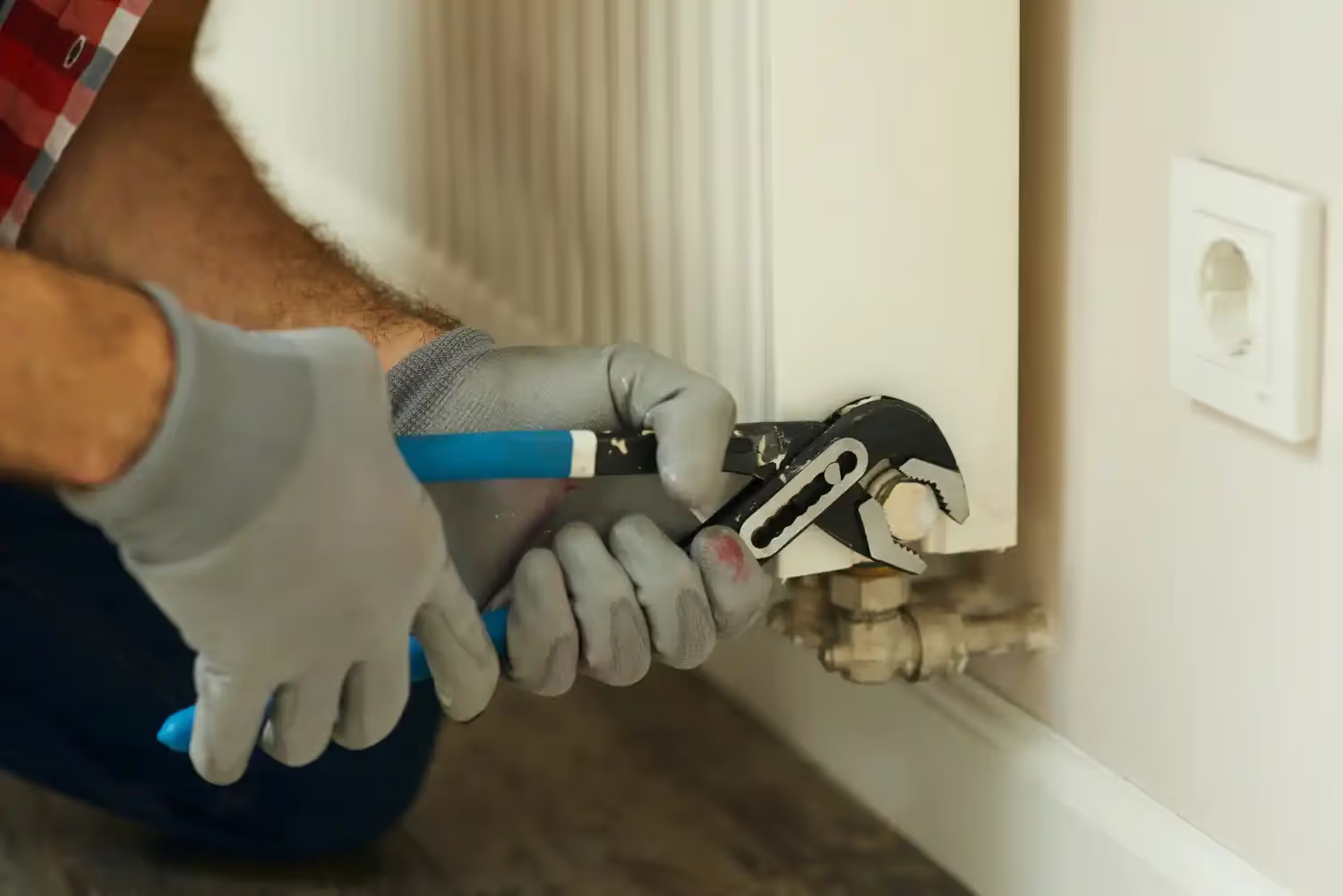
There comes a point where repair costs outweigh the value of the unit, or the system is simply too old to operate safely. Installing a new heating system is a construction project that requires precise calculation and adherence to building codes. It is not merely swapping one box for another; it is about engineering a solution that fits the specific thermal dynamics of the home.
The installation process is rigorous to ensure maximum efficiency and longevity of the new equipment. An improperly sized unit will short-cycle, leading to high energy bills and premature failure, while a unit that is too small will run continuously without ever achieving the desired temperature.
- Load Calculation and Sizing: The process begins with a Manual J load calculation. This determines the exact heating requirements of the property based on square footage, insulation levels, window quality, and local climate data. This step ensures the new unit is perfectly sized for the home.
- Safe Removal and Disposal: The existing unit is disconnected from gas lines, electrical supplies, and ductwork. It is then removed from the property and disposed of according to environmental regulations, particularly regarding any refrigerants or hazardous materials.
- Ductwork and Infrastructure Inspection: Before the new unit is set in place, the existing ductwork is inspected for leaks or damage. The plenum and return air drops are modified if necessary to accommodate the new equipment’s airflow requirements.
- System Installation: The new furnace or boiler is leveled and secured. Gas lines are reconnected with new sediment traps and shut-off valves. Electrical connections are brought up to current code standards. Flue pipes are installed or lined to ensure proper venting of combustion gases.
- Testing and Commissioning: Once installed, the system is not just turned on; it is commissioned. Technicians measure gas pressure, adjust blower speeds, and verify temperature rise to match the manufacturer's specifications.
- Final Walkthrough: The technician demonstrates how to operate the new thermostat, how to change the filter, and explains the warranty details to the homeowner.
Deciding Between Repair and Replacement
Homeowners often struggle with the decision of whether to invest in another repair or commit to a full system replacement. This decision should be based on data and financial logic rather than emotion. While a quick fix might seem cheaper today, the cumulative cost of frequent repairs and high energy bills can quickly exceed the cost of a modern, high-efficiency system.
Mr.Freeze Heating & Cooling helps homeowners navigate this choice by evaluating the condition of the current system against industry standards for life expectancy and efficiency.
- The Age of the System: The average lifespan of a well-maintained furnace is between 15 and 20 years. If a unit is approaching or has surpassed this age, parts may be obsolete, and major components like the heat exchanger are at higher risk of failure.
- The 50% Rule: A general industry guideline suggests that if the cost of a repair approaches 50% of the value of the system (or the cost of a new unit), replacement is the more financially sound option.
- Frequency of Breakdowns: If a system requires service more than once a year, it has become unreliable. The inconvenience of losing heat repeatedly during winter often justifies the investment in a new system.
- Energy Efficiency Ratings: Older units often operate at 60% to 70% AFUE (Annual Fuel Utilization Efficiency), meaning 30-40 cents of every dollar spent on fuel is wasted. Upgrading to a modern unit with 95%+ AFUE can result in significant monthly savings that offset the installation cost over time.
- Safety Concerns: Any crack in a heat exchanger is an immediate red flag requiring shutdown. While heat exchangers can sometimes be replaced, the labor intensity usually makes full system replacement the safer and more economical choice.
- Home Comfort Issues: If certain rooms are always cold or the air is excessively dry, a new system with variable speed blowers and integrated humidification can solve comfort issues that repairs cannot address.
Navigating Local Climate and Regulations
Operating a heating system in Munster requires specific attention to the regional environment. The local climate is characterized by significant temperature fluctuations, heavy snowfall in winter, and high humidity in the transition months. These factors influence how heating systems should be maintained and installed.
The heavy winter load means that furnaces run for extended periods. This continuous operation puts stress on the ignitors and flame sensors. Furthermore, the intake pipes for high-efficiency furnaces must be positioned correctly to avoid being blocked by snow drifts, which is a common cause of mid-winter heating failure in the region.
Compliance with local building codes is another critical aspect of heating service. Modifications to gas piping, electrical circuits, and venting systems require adherence to Indiana building codes and often necessitate permits. Professional technicians ensure that all work is fully compliant, which is vital not only for safety but also for the future resale value of the home and the validity of homeowners insurance.
- Permitting and Inspections: Major installations usually require a permit from the local municipality. This ensures that the work is reviewed by a third-party inspector for safety.
- Utility Rebates: Local utility providers often offer rebates for upgrading to high-efficiency equipment. Professional providers can assist in identifying these opportunities to lower the net cost of installation.
- Ventilation Safety: With the prevalence of tightly sealed homes for energy efficiency, ensuring adequate combustion air and proper venting is critical to prevent carbon monoxide buildup.
Why Technical Expertise Matters for Your Home
The difference between a restored heating system and a recurring headache often lies in the skill level of the technician. Heating systems are complex appliances involving combustible fuels, high-voltage electricity, and poisonous gases. Servicing these units requires rigorous training, specialized tools, and a deep understanding of thermodynamics.
We prioritize technical excellence and customer protection. This means every technician is background-checked and undergoes continuous training to stay current with the latest HVAC technologies. We do not employ guesswork; we employ diagnostic protocols that yield accurate results.
Furthermore, we believe in transparency regarding the scope of work. Whether it is a routine sensor cleaning or a complex heat exchanger replacement, the homeowner is informed of the process, the timeline, and the expected outcome. We stand behind our work with robust warranties because we are confident in the quality of our craftsmanship.
Secure Safe, Dependable Warmth Before Problems Escalate: Book Today
Don't let a failing heater compromise your safety or comfort this season. Make the decision to secure your home’s warmth with professional, reliable service that addresses the root of the problem.
Secure your appointment for heating repair or installation today.