
Is Your Heat Pump Failing to Keep Up?
Facing unexpected cold patches at home because your heat pump has stopped working is a major stressor, especially during a temperature drop in Munster. You need a solution that restores comfort immediately without sacrificing long-term reliability or safety. Call us immediately to schedule a diagnostic visit or click here to apply for financing.
When you choose a specialized service provider for your HVAC needs, you eliminate the guesswork involved in restoring your home's climate control.
- Receive a same-day assessment from certified technicians who understand local weather patterns.
- Benefit from comprehensive warranties attached to every specific repair job we complete.
- Enjoy peace of mind with transparent pricing structures and absolutely no hidden fees.
All repairs are performed with the necessary permits and come with extended warranties to ensure your comfort remains uninterrupted long after we leave.
Is Your Heat Pump Not Working? Here's What We Can Do
A malfunctioning heat pump does not always mean a total system failure, but it does require immediate professional attention to prevent minor issues from becoming catastrophic expenses. In Munster, where weather conditions fluctuate rapidly, a heat pump is the lifeline of your home’s comfort system. Unlike a standard furnace, a heat pump manages both heating and cooling, meaning it experiences double the wear and tear throughout the year.
Mr.Freeze Heating & Cooling specializes in diagnosing the root cause of the breakdown rather than just treating the symptom. We see a variety of common issues that plague these systems.
- Reversing Valve Failure: If your system runs but blows cold air while in heating mode (or hot air in cooling mode), the reversing valve is often the culprit. This component switches the flow of refrigerant. If it gets stuck, the system cannot switch modes.
- Frozen Outdoor Units: While a light frost is normal during a defrost cycle, a unit encased in a block of ice indicates a problem. This could stem from low refrigerant levels, a bad defrost timer, or restricted airflow.
- Electrical Malfunctions: Worn-out capacitors or tripped breakers often stop the compressor from starting.
- Refrigerant Leaks: Low refrigerant levels stress the compressor, leading to overheating and eventual system failure. We locate the leak, repair the line, and recharge the system to manufacturer specifications.
- Thermostat Communication Errors: Sometimes the issue isn't mechanical but digital. If the thermostat fails to send the correct voltage signal to the unit, the system will not engage.
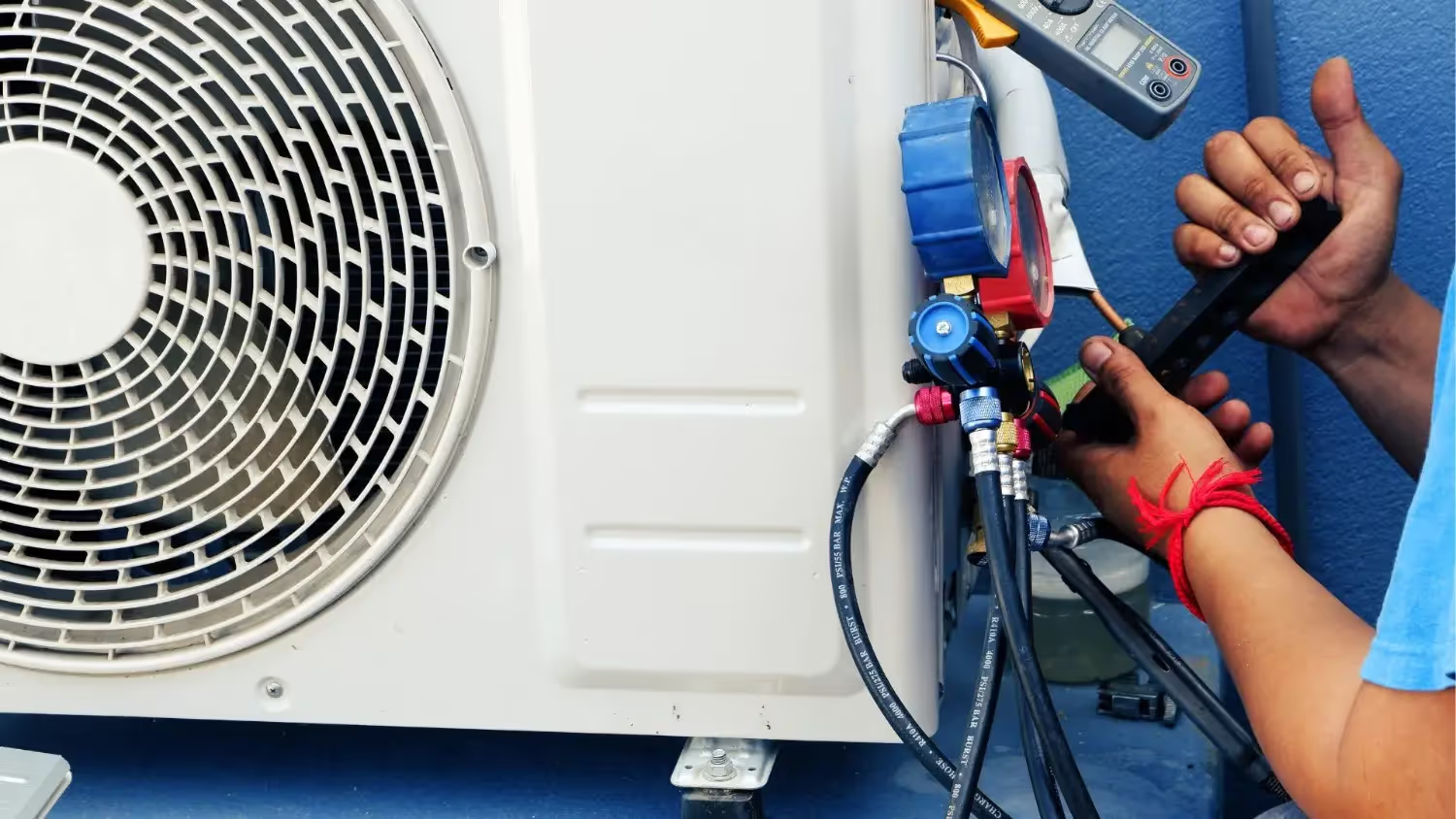
Immediate Solutions Available Today
When your heat goes out, waiting days for a part or a technician is not an option. Efficiency and speed are the cornerstones of our service approach. We maintain a fleet of service vehicles stocked with universal parts and specific components for major heat pump brands. This inventory strategy allows us to resolve a significant percentage of repair calls on the very first visit.
The goal is to restore heat or cooling to your property immediately. Upon arrival, we perform a systematic electrical and mechanical check. We verify airflow, measure refrigerant pressures, and test the amperage draw on motors. If the system requires a specific component that must be ordered, we discuss temporary heating solutions to ensure the property remains safe and habitable.
We also interface with local utility requirements. For homeowners connected to NIPSCO, ensuring that your electric heat pump is operating efficiently is critical to keeping monthly utility bills manageable. A system struggling to keep up due to a dirty coil or a failing motor will draw excessive power, negating the energy-saving benefits of owning a heat pump.
Our Heat Pump Repair Process
Transparency is vital when inviting a technician into your home. We follow a strict, standardized protocol for every service call to ensure nothing is missed and you are kept informed at every stage.
- Initial Diagnostics: The technician arrives and listens to your description of the problem. We then run a full system diagnostic using advanced testing equipment to isolate the failure.
- Clear Explanation and Quote: Once the issue is identified, we explain exactly what is wrong in plain language. You receive a flat-rate quote for the repair. We do not proceed until you approve the work.
- The Repair Phase: We protect your work area and perform the repair. This may involve brazing copper lines, replacing electrical contractors, or swapping out a fan motor.
- System Testing: After the repair is installed, we do not simply leave. We cycle the system through its stages to ensure it initiates, runs, and terminates correctly. We verify that the temperature split (the difference in temperature between supply and return air) is within the correct range.
- Final Walkthrough: We show you the completed work, explain any warranty details, and provide tips on how to maintain the repair.
Deciding Between Repair or Replacement
One of the most difficult decisions a homeowner faces is knowing when to stop repairing an aging unit and when to invest in a new system. We act as consultants to help you make the most financially sound decision based on data, not sales quotas.
There are specific metrics we use to guide this conversation.
- The 50% Rule: If the cost of the repair approaches 50% of the value of a new system, replacement is generally the wiser financial move.
- System Age: Heat pumps generally last 10 to 15 years. If your unit is over 12 years old and requires a major component like a compressor, repair is rarely cost-effective.
- Frequency of Breakdowns: If you have required repairs more than twice in the last two years, the system is likely entering the end of its lifecycle.
- Efficiency Ratings: Older units often have lower SEER and HSPF ratings. Upgrading to a modern system can sometimes offset the monthly cost of the new unit through energy savings alone.
- Comfort Consistency: If the current unit leads to hot and cold spots or struggles to maintain the set temperature even after repairs, it may be undersized or wearing out.
Mr.Freeze Heating & Cooling provides a detailed cost-benefit analysis. We calculate the projected remaining lifespan of your current unit versus the immediate and long-term costs of a new installation.
Understanding the Local Climate: Why It Matters
Heat pumps in Indiana face a unique set of challenges compared to those in milder climates. Our winters can bring temperatures well below freezing, which tests the limits of air-source heat pumps.
When the outdoor temperature drops significantly, the heat pump must work harder to extract heat energy from the outside air.
- The Defrost Cycle: In our region, high humidity combined with freezing temperatures can cause frost to build up on the outdoor coil. A properly functioning system will periodically reverse itself to melt this ice. If this defrost cycle fails, the unit becomes a block of ice and stops heating. We check the defrost board and sensors on every winter maintenance call.
- Auxiliary Heat Strips: Because heat pump efficiency drops in extreme cold, systems here are equipped with electric resistance heating strips (emergency heat). We verify that these strips engage properly when the heat pump cannot keep up. If they fail, your home will drop in temperature rapidly during a polar plunge.
- Humidity Control: In the summer, the system must effectively remove humidity. If the unit is short-cycling (turning on and off too quickly), it cools the air but leaves the moisture, resulting in a clammy indoor environment.
We understand how local weather impacts equipment sizing and operation. We ensure your system is calibrated to handle the specific load requirements of homes in this area.
Trust Our Expertise and Local Experience
Selecting a service provider goes beyond just finding someone with a wrench. It involves finding a team that understands local building codes, permit requirements, and safety standards.
- Certified Proficiency: Our technicians hold certifications that validate their ability to handle high-voltage electricity and high-pressure refrigerants safely.
- Code Compliance: We are familiar with local regulations regarding HVAC installations and repairs. This ensures that any work performed on your property will pass inspection if you ever decide to sell.
- Rebate Knowledge: We stay updated on offerings from Indiana’s Energy Savings Program and federal tax credits. If a repair involves an upgrade or if you choose replacement, we can guide you toward available financial incentives.
We also focus on the long-term health of your system. A "quick fix" from an unqualified handyman often bypasses safety switches or uses incorrect parts, leading to higher energy bills and potential fire hazards. We use OEM (Original Equipment Manufacturer) or equivalent parts to ensure the system operates as designed.
Critical Components We Inspect
To provide a clearer picture of what goes into a heat pump repair, it helps to understand the components we frequently service.
- The Compressor: This is the heart of the system. It pumps refrigerant between the indoor and outdoor units. A failing compressor is a major repair, often sounding like a loud grinding or clicking noise.
- The Fan Motor: Both the indoor blower and the outdoor fan are crucial. If the outdoor fan fails, the compressor will overheat. If the indoor blower fails, air won't circulate, and the coil will freeze.
- The Contactor: This small electrical switch controls the flow of power to the high-voltage components. Pitted or burned contacts can cause arcing and system failure.
- The Capacitor: This component provides the torque needed to start the motors. It is the most common failure point and is easily replaced if caught early.
Preventative Measures for Homeowners
While professional repair is necessary for mechanical failures, there are steps homeowners can take to minimize the risk of breakdowns.
- Filter Maintenance: The single biggest cause of heat pump failure is a dirty air filter. A clogged filter restricts airflow, causing the system to overheat and shut down. Check your filter monthly.
- Clear the Outdoor Unit: Keep vegetation, snow, and debris at least two feet away from the outdoor unit. Proper airflow is essential for heat exchange.
- Check Your Vents: Ensure that supply and return vents are not blocked by furniture or rugs. Blocked vents increase static pressure in the ductwork, straining the blower motor.
- Monitor the Thermostat: Ensure your thermostat is set to "Heat" or "Cool" appropriately and that the batteries are fresh. Avoid treating the thermostat like a light switch; constant adjustment causes unnecessary wear.
If you have performed these checks and the system still fails to operate correctly, professional intervention is required. Attempting to repair electrical components or refrigerant lines without proper training is dangerous and voids manufacturer warranties.
Stop Further Damage Now: Get Precise, Professional Heat Pump Service
Whether you are dealing with a system that refuses to turn on, is making alarming noises, or is blowing lukewarm air, prompt action is the key to minimizing damage. We are committed to providing precise, enduring repairs that restore your home's comfort and safety. Trust Mr.Freeze Heating & Cooling to handle your heat pump issues with the urgency and professionalism you deserve.
Restore your home's comfort today; schedule your repair now.