Facing a Complete Heating Breakdown or Rising Energy Costs?
When your heating system fails, you don't just deal with the cold; you face potential safety risks and increased costs. Ensure your home stays warm and safe with fast, professional heating installation by contacting us or applying for financing today to restore your comfort immediately. Residents in Munster, IN understand that when winter hits, a functioning heater is a necessity, not a luxury. Waiting for a complete breakdown can lead to frozen pipes and unsafe indoor temperatures.
We provide a streamlined solution to get your heat running efficiently:
- Rapid response and comprehensive assessment of your specific heating needs.
- Efficient installation by certified professionals who respect your home.
- Enhanced comfort and lower energy bills with modern, reliable equipment.
All installations are fully insured, warranted, and compliant with local codes, with flexible financing available. Mr.Freeze Heating & Cooling is ready to help you navigate the replacement process with transparency and technical expertise.
What to Expect From a Modern Heating Installation
Investing in a new heating system is a significant decision that impacts your comfort, safety, and finances for the next 15 to 20 years. Modern installation goes far beyond simply swapping out an old gray box for a new one. Today’s high-efficiency systems require precise calibration to ensure they deliver the promised energy savings and comfort levels.
When you purchase a new system, you are paying for a comprehensive solution that addresses the unique thermal characteristics of your property. The goal is to eliminate cold spots, reduce humidity issues, and ensure the air quality in your home remains safe. A professional installation includes a full evaluation of the existing infrastructure to ensure the new unit is compatible with your ductwork, gas lines, and electrical capacity.
The scope of a professional installation covers several critical components:
- Load Calculation: Technicians perform a calculation based on the square footage, insulation levels, window quality, and orientation of your home. This ensures the unit is neither undersized (which leaves you cold) nor oversized (which causes short-cycling and premature wear).
- Ductwork Inspection: Existing ducts are examined for leaks, disconnections, or inadequate airflow. Even the best furnace cannot perform well if the distribution system is compromised.
- Venting Upgrades: High-efficiency furnaces often require different venting materials (typically PVC) compared to older standard-efficiency models. Upgrading venting prevents carbon monoxide back-drafting and ensures safety.
- Thermostat Integration: New units often pair with smart thermostats or proprietary controls that modulate the burner and blower speeds. Proper wiring and setup are included to unlock these features.
- Gas and Electrical Connections: All utility connections are inspected and upgraded to meet current safety codes, ensuring the unit operates reliably without tripping breakers or leaking gas.
The System Replacement and Installation Process
A structured installation process ensures that nothing is overlooked and that your daily routine experiences minimal disruption. Understanding the workflow helps homeowners prepare for the installation day and sets clear expectations for the timeline.
The process is designed to be thorough yet efficient, typically completed within a single day for standard replacements.
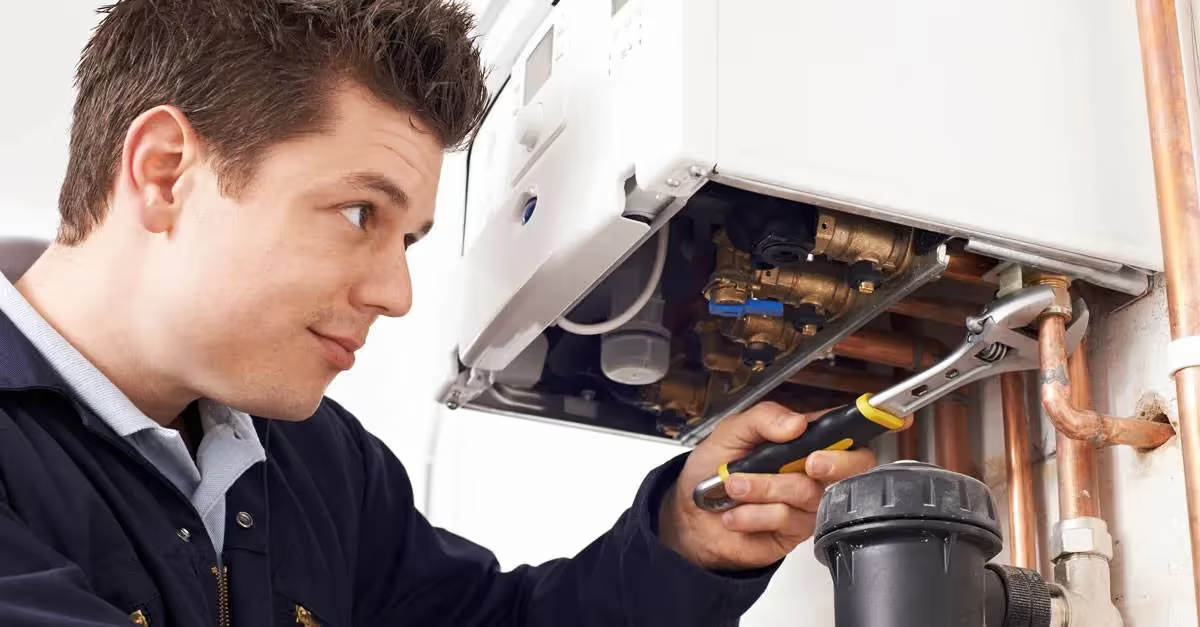
- Site Assessment and Protection: The team arrives and immediately prepares the work area. Floor runners and drop cloths are laid down to protect flooring and carpets from debris. The technician verifies the equipment specifications against the work order to ensure the correct model is being installed.
- Safety Shutdown and Removal: Gas and electrical supplies to the existing unit are shut off and tagged out for safety. The old unit is disconnected from the plenum and flue pipe. Technicians carefully remove the old equipment, ensuring no damage occurs to the surrounding walls or door frames during extraction. The old unit is then loaded for environmentally responsible disposal.
- Modifications and Placement: If the new unit has different dimensions than the old one, the metal plenum (the transition between the furnace and the ductwork) is modified or rebuilt. The new furnace is leveled and set in place. For high-efficiency units, condensate pumps and drain lines are installed to manage the water produced during the combustion process.
- System Connection: The gas line is reconnected with a new sediment trap (drip leg) if required by code. Electrical wiring is connected, and the thermostat is wired to the main board. Venting pipes are routed to the exterior of the home, ensuring proper slope to allow for drainage and prevent ice buildup in winter.
- Commissioning and Testing: This is the most critical step. The system is fired up, and technicians measure the gas pressure at the manifold to ensure it matches the manufacturer's specifications. They check the temperature rise—the difference in temperature between the air entering and leaving the furnace—to confirm airflow is correct. Safety switches are tested to verify they shut the system down in case of an emergency.
- Final Walkthrough: The lead technician walks you through the operation of the new system. This includes how to change the filter, how to operate the thermostat, and an explanation of the warranty coverage.
Deciding Between Repair and Full Replacement
Homeowners often struggle with the choice between repairing a failing unit or investing in a new one. While repairs can seem cheaper upfront, they often act as a bandage on a larger issue, leading to higher cumulative costs over time. Making the right financial decision requires looking at the age of the unit, the cost of the repair, and future efficiency savings.
There are specific benchmarks that indicate when replacement is the smarter financial move:
- The 50% Rule: If the cost of the repair approaches 50% of the value of a new system, replacement is generally recommended. Spending half the cost of a new unit on an old asset that has already depreciated is rarely a sound investment.
- System Age: Furnaces typically last 15 to 20 years. If your unit is over 15 years old and requires a significant repair (such as a blower motor or control board), it is nearing the end of its useful life. Investing in a new unit resets the clock and provides warranty protection that an old unit lacks.
- Heat Exchanger Integrity: If the heat exchanger is cracked, replacement is the only safe option. A cracked heat exchanger can leak carbon monoxide into the living space. Repairing this component is labor-intensive and expensive, making a full system replacement the standard solution for safety reasons.
- Rising Energy Bills: As systems age, they lose efficiency due to wear and tear. If your energy bills have been steadily climbing despite normal usage, your furnace is likely working harder to produce the same amount of heat. New systems with high AFUE (Annual Fuel Utilization Efficiency) ratings can significantly reduce monthly utility expenses, helping the new unit pay for itself over time.
- Frequency of Breakdowns: If you have required multiple service calls in the last two years, the system is becoming unreliable. The cost of frequent minor repairs adds up quickly, and the inconvenience of losing heat during a Munster deep freeze is a significant risk factor. Mr.Freeze Heating & Cooling helps homeowners analyze these factors to make a data-driven decision.
Managing Installation Factors in Munster
Installing heating systems in this region requires specific attention to local climate patterns and building regulations. Munster experiences a humid continental climate, meaning winters are not just cold but can bring heavy snowfall and sub-zero wind chills. This environment places a heavy load on heating equipment, making correct sizing and installation quality paramount.
Local factors that influence installation include:
- Building Codes and Permits: Installation work in Munster must comply with local building codes. This often involves pulling a permit before work begins and having the work inspected by the city upon completion. Professional installers handle the administrative burden of the permitting process, ensuring the installation is legal and safe. This is crucial for future home sales, as unpermitted work can complicate real estate transactions.
- Utility Requirements: Whether your home relies on NIPSCO for natural gas or uses electric heating, the installation must align with utility provider standards. This includes proper grounding for electrical connections and pressure testing for gas lines to detect leaks before the system is certified for use.
- Ventilation for Snow: Because the area receives significant snowfall, high-efficiency furnace vents (which exit through the side of the house) must be installed above the anticipated snow line. If a vent is blocked by a snowdrift, the safety sensors in the furnace will shut the system down, leaving the home without heat during a storm. Installers calculate the proper height to prevent this issue.
- Condensate Management: High-efficiency furnaces produce water (condensate) as they operate. In unconditioned spaces like attics or garages, this water can freeze and block the drain lines. Installers must use heat tape or route drain lines through conditioned spaces to prevent freezing, which is a common issue in Northern Indiana winters.
- Seasonal Timing: The demand for heating installation spikes during the first hard freeze of the year. Homeowners are encouraged to assess their systems in the fall. Replacing a system proactively allows for more flexibility in scheduling and ensures the home is prepared before extreme weather arrives.
Why Professional Installation Matters
The most important day in the life of a furnace is the day it is installed. Industry studies suggest that a significant percentage of HVAC equipment is installed incorrectly, leading to efficiency losses of up to 30%. A top-tier brand installed poorly will perform worse than a budget brand installed perfectly.
Professional installation safeguards your home and investment in several ways:
- Manufacturer Warranty Compliance: HVAC manufacturers require proof of professional installation to honor their warranties. If a component fails three years down the road, a DIY or unlicensed installation will likely result in a voided warranty, leaving the homeowner responsible for the full cost of parts and labor.
- Safety Assurance: Heating systems involve combustible gases, high-voltage electricity, and exhaust fumes. A mistake in gas piping can lead to leaks or explosions. Improper venting can cause carbon monoxide poisoning. Certified professionals carry the training and liability insurance necessary to manage these risks safely.
- Optimized Airflow: A furnace that pushes too much air creates noise and drafty conditions. A furnace that pushes too little air can overheat and crack the heat exchanger. Professionals measure static pressure in the ductwork to set the blower speed correctly, ensuring quiet operation and even temperature distribution throughout the house.
- Proper Sizing and Efficiency: Oversized units short-cycle, turning on and off frequently. This prevents the system from running long enough to effectively filter the air or manage humidity. It also puts excessive stress on the starter components. Professionals use Manual J load calculations to size the unit strictly according to the home's needs, maximizing the lifespan of the equipment.
- Rebate Eligibility: Many energy companies and local entities offer rebates for upgrading to high-efficiency equipment. These rebates often require an invoice from a licensed contractor. Professional installation ensures you have the documentation needed to claim any available financial incentives.
Don’t Risk a Cold, Unsafe Home: Upgrade to Reliable Heating Now
Securing a warm, safe environment for your family requires more than just buying a furnace; it requires a partnership with a team that understands the technical and local demands of heating in Indiana. Don't wait for the temperature to drop further or for your current system to fail completely.
Secure your comfort and safety today. Contact Mr.Freeze Heating & Cooling to schedule your heating installation consultation.