
Is Your Cooling System Failing in the Middle of a Heatwave?
When your AC fails during the peak of summer, it is not just about discomfort; it is about restoring your home's sanctuary swiftly and efficiently. The humid heat in Munster can turn a living space into a sauna within hours, threatening the safety of pets, the elderly, and your overall peace of mind. Mr.Freeze Heating & Cooling offers rapid, reliable installations ensuring you are back to cool in no time. Call us immediately or apply for financing to secure your new system today.
Living with a malfunctioning unit during an Indiana heatwave is not an option. You need a solution that goes beyond a temporary patch. You need a system designed to handle high humidity and fluctuating temperatures for years to come.
- Expedited installation services – cool your space today!
- Transparent pricing and flexible financing options.
- Quality assured with industry-leading warranties.
Fully licensed and insured service with extended warranties and no-surprise pricing.
What You Get With Professional Installation Services
Choosing to install a new air conditioner is a significant investment in your home’s infrastructure. It is not merely swapping one metal box for another; it is an upgrade to your home's energy efficiency and air quality. When you schedule an installation in Munster, you are paying for a comprehensive solution that addresses the specific thermal characteristics of your property.
Modern installation services focus heavily on correct sizing and energy efficiency. Many older homes operate with units that were either oversized or undersized during the initial build. An oversized unit cools the room too quickly, shutting off before it has removed the humidity, leading to a clammy indoor environment. An undersized unit runs constantly, driving up electric bills without ever reaching the desired temperature.
A professional installation includes a complete assessment of your current ductwork and insulation levels. This ensures that the new, high-efficiency unit you purchase delivers the SEER2 (Seasonal Energy Efficiency Ratio) rating promised on the label. If your ductwork is leaky or restricted, even the most expensive air conditioner will fail to perform.
Included in the scope of a standard installation is the safe removal and disposal of your old equipment. Refrigerant handling requires EPA certification to prevent environmental contamination. The service team manages the recovery of old coolant, the recycling of metal components, and the clean removal of the heavy condenser and evaporator coil.
Furthermore, you receive a detailed commissioning report. This is not just a receipt; it is proof that the system was tested under load. Technicians measure airflow, static pressure, and temperature differentials to verify that the system is operating within the manufacturer’s strict specifications before they leave your driveway.
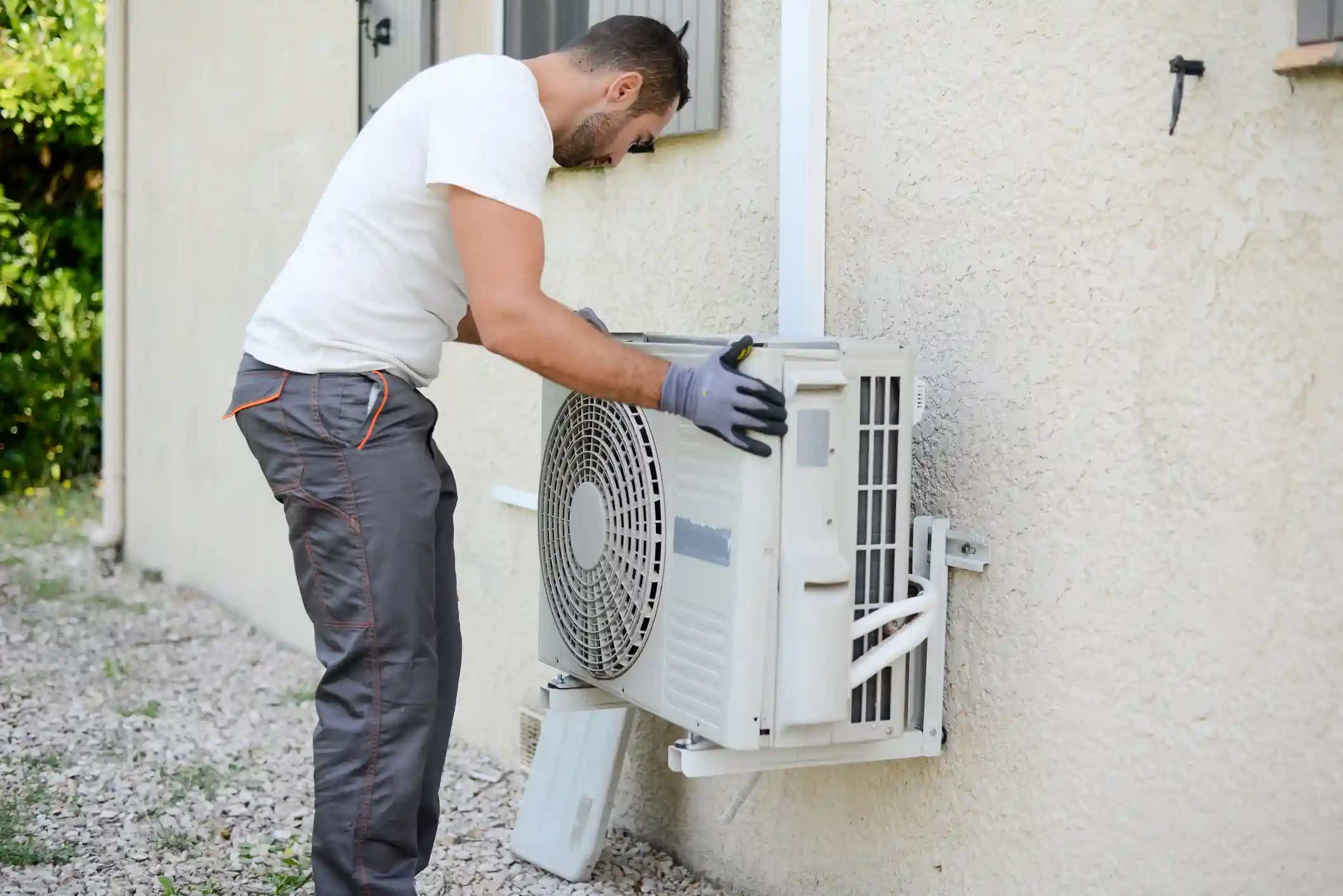
The Installation Process Step-by-Step
Understanding the mechanics of an installation day helps homeowners prepare and reduces anxiety about the scope of work. A proper installation is a methodical process that ensures longevity and performance. While every home in Munster has unique challenges, the workflow generally follows a precise technical sequence.
Site Preparation and Protection
The process begins with protecting your property. Technicians lay down drop cloths and wear protective shoe covers to ensure your floors remain clean. They clear the area around the outdoor condenser and the indoor evaporator coil (usually located near the furnace) to establish a safe workspace. Electrical power to the HVAC system is shut off at the breaker panel to ensure safety during the transition.
Removal of Existing Equipment
The technician connects a recovery machine to the existing unit to extract the old refrigerant safely. Once the lines are clear, they disconnect the high-voltage electrical wiring and the low-voltage control wires. The copper refrigerant lines are cut or disconnected, and the old condenser is removed from the pad. Indoors, the old evaporator coil is carefully extracted from the plenum.
Equipment Positioning and Connections
The new outdoor condenser is placed on a leveling pad. A level surface is critical for the compressor's oil lubrication and longevity. Indoors, the new coil is fitted to the furnace. Technicians then braze (weld) the copper refrigerant lines connecting the indoor and outdoor components. Nitrogen is often flowed through the lines during brazing to prevent oxidation buildup inside the pipes.
Electrical and Drain Integration
New electrical disconnect boxes are often installed outside to meet current building codes. The high-voltage wiring is reconnected, and the thermostat wiring is updated to accommodate new features. The condensate drain line is rebuilt or cleaned to ensure water removed from the air can flow freely to the drain, preventing future water damage.
System Vacuum and Charging
Before adding refrigerant, the technician uses a vacuum pump to remove all air and moisture from the lines. This is a critical step; moisture inside the system can turn into acid and destroy the compressor. Once a deep vacuum is achieved, the specific amount of refrigerant required by the manufacturer is weighed into the system.
Final Testing and Commissioning
The system is powered on. Technicians measure the "superheat" and "subcooling" temperatures to fine-tune the refrigerant charge. They check the thermostat operation, ensuring it cycles the unit correctly. Airflow is measured at the supply and return vents to confirm the system is moving air effectively throughout the house.
Deciding When Replacement Beats Repair
Homeowners often struggle with the decision to repair an aging unit or invest in a replacement. While a quick fix might seem cheaper upfront, it often acts as a financial drain over time. There are clear technical and financial indicators that signal when a replacement is the smarter, more economical choice.
The 50% Rule
A widely accepted guideline in the HVAC industry is the 50% rule. If the cost of the necessary repair approaches or exceeds 50% of the value of a new system, replacement is generally the better option. For example, replacing a compressor on an out-of-warranty unit is a major expense. Putting that money toward a modern system with a fresh warranty offers a better return on investment.
The Age Factor
Air conditioners generally have a lifespan of 10 to 15 years. If your unit is over 10 years old and requires a significant repair, you are likely nearing the end of its useful life. Even if you fix the immediate issue, other components like fan motors or capacitors are likely to fail soon after. Investing in a new unit resets the clock and provides peace of mind.
Refrigerant Type
Older systems typically run on R-22 (Freon), a refrigerant that has been phased out due to environmental regulations. R-22 is becoming incredibly scarce and expensive. If your older unit has a refrigerant leak, the cost to top it off can be exorbitant. New systems use environmentally friendly refrigerants like R-410A or R-454B, which are readily available and affordable.
Efficiency Gains
Cooling technology has advanced rapidly in the last decade. A unit installed 12 years ago likely has a SEER rating of 10 or 12. Modern standards require a minimum SEER2 rating of 13.4 in the North, with high-efficiency units reaching 20+. Replacing a 10 SEER unit with a 16 SEER unit can reduce your cooling costs by 30% to 40%. These energy savings can help offset the monthly cost of a financed installation.
Comfort Consistency
As units age, they lose their ability to remove humidity effectively. If your home feels damp or sticky even when the AC is running, the compressor may be losing compression. New systems, especially two-stage or variable-speed models, excel at humidity control, providing a drier, more comfortable indoor climate even at higher thermostat settings.
Installation Considerations for Local Homes
Operating an air conditioner in Munster presents specific challenges due to the regional climate and local regulations. The geography here dictates that a system must handle a wide variance in weather, from the thawing dampness of spring to the oppressive humidity of July and August.
Combating High Humidity
The summers in this region are characterized by high dew points. An air conditioner does not just cool air; it dehumidifies it. If a system is oversized—a common issue in local housing developments—it will cool the air too fast and shut off before removing the moisture. This leads to mold growth and a "cave-like" feeling in the home. Installers must prioritize humidity control, potentially recommending variable-speed compressors that run longer at lower speeds to extract maximum moisture.
Permitting and Code Compliance
Installation projects involving structural changes, electrical upgrades, or new gas lines generally require permits. Compliance with local building codes ensures that the electrical connections are safe and that the unit is placed the required distance from property lines. Professional installers handle the permit application process, ensuring the work passes inspection. This is vital for maintaining the value of your home and avoiding complications if you decide to sell the property in the future.
Electrical Capacity
Many older homes in the area may have 100-amp electrical panels that are already nearing capacity. Adding a powerful central air conditioning system might require an electrical service upgrade or the installation of a dedicated sub-panel. An assessment of your home’s electrical load is a prerequisite to installation to prevent breaker trips and fire hazards.
Seasonality and Scheduling
The transition seasons in Indiana can be short. Homeowners often wait until the first 90-degree day to test their AC, resulting in a rush of service calls. Scheduling an installation during the "shoulder seasons" (early spring or early autumn) often results in faster turnaround times. However, when an emergency strikes in mid-summer, working with a provider who offers same-day or next-day installation capability is crucial for safety.
Why Homeowners Trust Us for Cooling Solutions
In a crowded market, selecting the right contractor is as important as selecting the right brand of equipment. The quality of the installation dictates 70% of the system's efficiency and longevity. Mr.Freeze Heating & Cooling distinguishes itself through a rigid adherence to technical standards and customer transparency.
We employ NATE-certified technicians who undergo continuous training on the latest HVAC technologies, including inverter-driven compressors and smart thermostat integration. Our team does not rely on "rules of thumb"; we utilize Manual J load calculations to determine the exact cooling requirements of your specific floor plan. This scientific approach eliminates guesswork and ensures your system runs efficiently.
Our commitment extends beyond the installation day. We offer robust labor warranties that sit alongside the manufacturer's parts warranty, ensuring you are not hit with unexpected repair bills shortly after installation. We believe in educating our clients on system maintenance, ensuring you understand how to change filters and manage settings to prolong the life of your investment.
When you choose us, you are choosing a partner who understands the local architecture and climate patterns. We respect your time and your property, guaranteeing a clean job site and a system that performs exactly as promised.
Secure Your Comfort Today
Don't let the heat compromise your home life or your health. A failing AC unit is an emergency that requires immediate, professional attention. Whether you need to replace an aging system or install central air for the first time, swift action ensures you avoid the peak-season rush and secure the best equipment for your needs.
Mr.Freeze Heating & Cooling is ready to restore the comfort of your home with precision and speed.
Contact us now to schedule your comprehensive assessment and take control of your indoor climate.