Immediate Heating Help Available When Temperatures Drop
Facing biting cold inside your home in Highland? Mr.Freeze Heating & Cooling delivers rapid, trusted service to restore your comfort before the temperature drops further. A malfunctioning furnace or heat pump during the winter months is more than an inconvenience; it is a safety risk that requires professional attention immediately. Contact us today to schedule a diagnostic visit or inquire about available financing options for system replacements.
- 24/7 emergency heating repairs — warmth restored the same day.
- Thorough inspections and service from certified technicians with 15+ years of experience.
- Transparent pricing and no hidden fees — know your costs upfront.
- Fully licensed and insured — ensuring your peace of mind and protection.
Comprehensive Diagnostics and Repair Scope
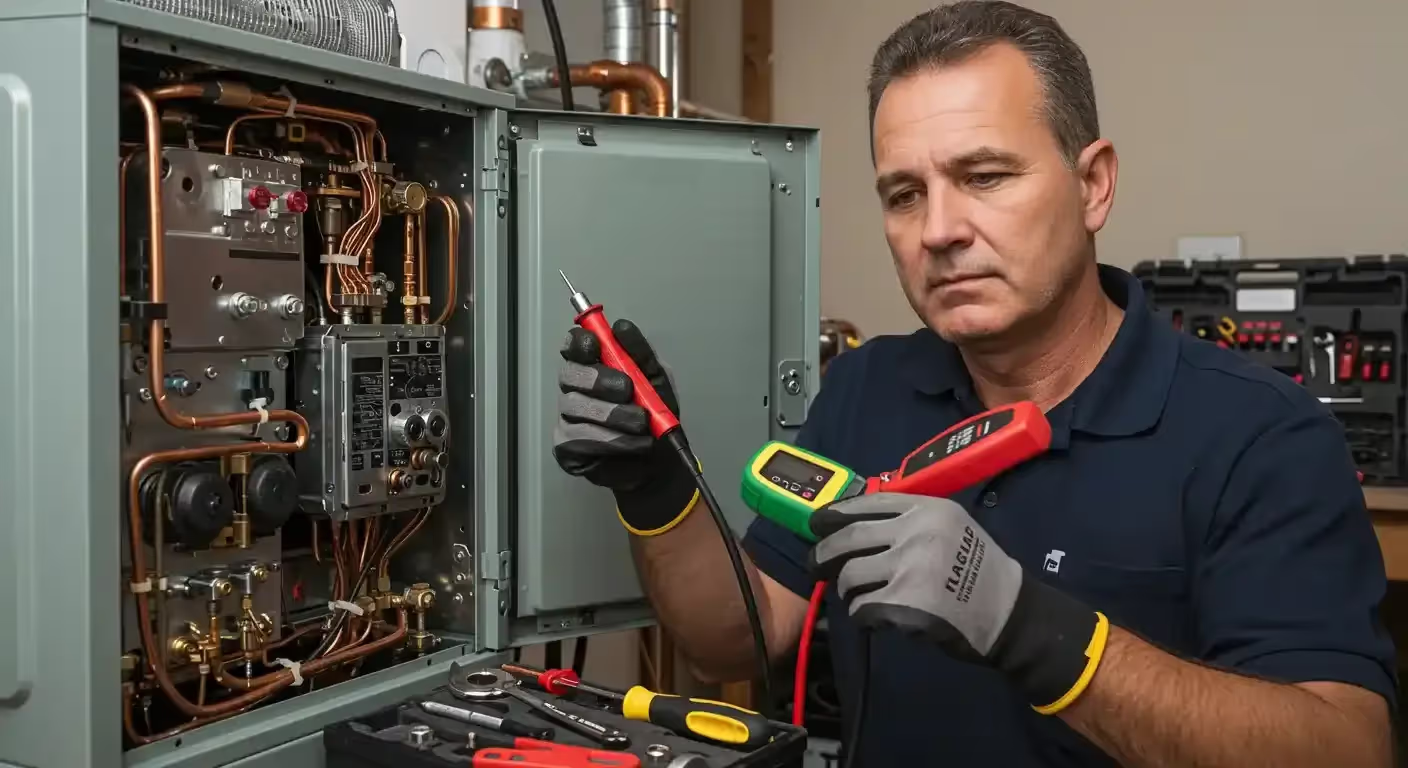
When a heating system fails, the priority is identifying the root cause accurately to prevent recurring issues. Homeowners often notice symptoms such as lukewarm airflow, unusual banging or rattling noises, or short-cycling, where the unit turns on and off too frequently. These are indicators of underlying mechanical or electrical failures that require a systematic diagnostic approach. Professional technicians arrive equipped with advanced diagnostic tools to test the entire system, ensuring that the fix addresses the core problem rather than just the symptom.
The diagnostic process begins with a safety inspection. Technicians verify the integrity of the heat exchanger to ensure there are no cracks that could leak carbon monoxide into the living space. Following this, the ignition system, flame sensors, and blower motors are tested for operational efficiency. Modern heating systems rely on complex electronics to communicate between the thermostat and the furnace board; these connections are tested to rule out control board failures. By evaluating airflow restrictions and filter conditions, technicians can determine if the issue is a simple maintenance oversight or a major component failure.
Repairs are conducted with a focus on longevity. Rather than applying temporary patches, the goal is to restore the system to manufacturer specifications. This includes calibrating gas valves for proper pressure, tightening electrical connections to prevent shorts, and lubricating moving parts to reduce friction and wear. Service vehicles are stocked with common parts to facilitate same-day repairs, minimizing the time Highland residents spend in the cold. You receive a detailed report of the findings and a clear explanation of the necessary repairs before any work begins.
The Furnace Installation and Replacement Process
There are instances where a repair is not the most viable or safe option, leading to the need for a full system replacement. The installation process is critical; the quality of the installation matters as much as the brand of the equipment. A poorly sized or improperly installed unit will never achieve its rated efficiency and will fail prematurely. The process focuses on calculating the specific heating load of the home to ensure the new unit provides consistent, even heat without wasting energy.
- First, a technician performs a Manual J load calculation. This assessment considers the square footage, insulation levels, window types, and orientation of the home. This data determines the exact BTU capacity required, preventing the common issue of oversizing, which causes short-cycling and temperature fluctuations.
- Next, the existing equipment is safely disconnected and removed. This involves shutting off gas lines and electrical power, ensuring no hazardous materials are left behind. The old unit is hauled away for proper disposal or recycling.
- Following removal, the existing ductwork and plenum are inspected. Leaks or disconnects in the duct system can result in significant energy loss. Modifications are made to the sheet metal to accommodate the new unit, ensuring an airtight seal and optimal airflow throughout the residence.
- The new furnace or heat pump is then set in place. Gas lines are reconnected and tested for leaks, and electrical wiring is brought up to current code standards. Flue pipes are installed to ensure proper venting of combustion gases to the outside.
- Finally, the system undergoes a full commissioning process. This includes setting the gas pressure, testing static pressure in the ducts, and verifying the temperature rise. The technician walks you through the operation of the new thermostat and explains maintenance requirements to keep the warranty valid.
Determining When to Repair vs. Replace
Deciding between sinking money into an existing system or investing in a new one is a common dilemma for homeowners. Making the right choice depends on a combination of financial logic, system age, and safety considerations. While repairs are often the lower upfront cost, they can become more expensive over time if the unit is nearing the end of its service life.
Age is the primary factor. Most gas furnaces have a lifespan of 15 to 20 years. If a unit is over 15 years old and requires a significant repair, replacement is often the more prudent financial decision. As components age, they become less efficient and more prone to cascading failures. Replacing a compressor or a heat exchanger in an old unit is often not cost-effective when compared to the efficiency gains of a modern system.
The "50% Rule" is a helpful metric for decision-making. If the cost of the repair approaches 50% of the value of a new system, replacement is generally recommended. Additionally, consider the frequency of breakdowns. If the system has required multiple service calls in the last two years, it signals that the internal components are wearing out simultaneously.
Rising energy bills are another indicator. Older systems degrade in efficiency (AFUE rating) over time. A furnace that was 80% efficient a decade ago may now be operating at 60% efficiency due to wear and tear. Upgrading to a high-efficiency model—often 95% AFUE or higher—can result in substantial monthly savings on utility bills, effectively offsetting a portion of the installation cost over the life of the system.
Local Climate Factors and Technical Considerations
Heating services in Highland, IN, must account for the specific regional climate challenges. The area experiences harsh winters with temperatures frequently dropping below freezing, often compounded by lake-effect snow and wind. These conditions place a heavy load on heating equipment, requiring robust systems that can maintain indoor temperatures even when outdoor conditions are extreme. Standard "builder-grade" units often struggle to keep up with these demands, leading to cold spots and high energy consumption.
- Permitting and Codes: All heating installations must adhere to local building codes and safety regulations. This includes specific requirements for gas line sizing, exhaust venting distances from windows and doors, and electrical circuit dedication. Proper permitting ensures that the installation is safe and will not complicate future home sales.
- Utility Integration: Whether the home utilizes NIPSCO for natural gas or electric providers, the equipment must be compatible with the available utility infrastructure. High-efficiency gas furnaces often require different venting solutions (PVC piping) compared to older atmospheric units, which necessitates structural adjustments during installation.
- Seasonality and Maintenance: The best time to address heating concerns is early autumn, before the deep freeze sets in. However, demand peaks significantly from November through February. Systems in this region require rigorous annual maintenance to clear combustion chambers and check heat exchangers, which work overtime during the long winter season.
- Humidification Needs: The heating season in Indiana brings dry air, which can cause discomfort and damage wood flooring or furniture. Integrating whole-home humidifiers into the heating system helps maintain optimal humidity levels, improving comfort and allowing the home to feel warmer at lower thermostat settings.
Safety and Performance Through Professional Service
Attempting DIY repairs on heating systems poses significant risks. Modern HVAC equipment involves high-voltage electricity, combustible gases, and pressurized refrigerants. A simple mistake can lead to gas leaks, fire hazards, or carbon monoxide exposure. Professional technicians are trained to handle these elements safely, using specialized tools to detect leaks and verify combustion safety.
Mr.Freeze Heating & Cooling ensures that every service call addresses not just the immediate breakdown but the overall safety and efficiency of the system. Professional service also protects the manufacturer’s warranty. Most equipment warranties strictly require proof of professional installation and regular maintenance by a licensed contractor. Neglecting this requirement can leave homeowners responsible for the full cost of replacement parts.
Furthermore, professional calibration ensures the system operates at its rated efficiency. Factors such as blower speed settings and gas valve adjustments must be precise. If a furnace is burning too hot, it can crack the heat exchanger; if it burns too cool, it causes condensation and rust. Expert calibration balances these factors to ensure safe, efficient, and reliable operation throughout the lifespan of the unit.
Secure Your Comfort Today
Don't wait until the middle of a winter night to address heating issues. Whether you require an urgent repair to get the heat back on or a consultation for a high-efficiency system replacement, taking action now ensures the safety and warmth of your home. Professional intervention guarantees that your equipment runs efficiently, safely, and reliably through the harshest weather. Contact us immediately to schedule your heating service and restore reliable warmth to your home.