
Eliminate Inefficient Heating and Cooling with a Modern Heat Pump
Facing unpredictable temperatures in Highland, IN requires a heating and cooling system that can adapt instantly to changing weather patterns. If your current system struggles to maintain comfort or causes your energy bills to skyrocket, a modern heat pump installation offers the efficiency and dual-functionality your home needs. Contact us today to schedule a detailed estimate and load calculation for your property.
Mr.Freeze Heating & Cooling specializes in transitioning homes from outdated HVAC units to high-performance heat pumps that handle both summer humidity and winter chills. This technology moves heat rather than generating it, providing a smarter way to condition your living space.
- Achieve reliable and consistent indoor temperatures regardless of the season.
- Enhance your home’s energy efficiency and reduce monthly utility bills.
- Fast, expert installation with minimal disruption to your daily life.
All installations are fully permitted, backed by comprehensive warranties, and available with flexible financing options to fit your budget.
What Our Heat Pump Installation Includes: Features & Benefits
When you invest in a new heat pump system, you are purchasing more than just a piece of equipment; you are securing a comprehensive climate control solution. Our installation service focuses on total system integration, ensuring that the new unit communicates effectively with your existing ductwork and thermostat infrastructure. Unlike standard furnaces or air conditioners, a heat pump serves as a year-round solution, capable of reversing its cycle to provide heating in the winter and cooling in the summer.
A standard installation project encompasses the removal and disposal of your existing unit, site preparation, and the precise placement of both the outdoor condenser and the indoor air handler. We verify that your electrical panel can support the specific voltage and amperage requirements of the new system. This often involves upgrading the electrical disconnect box and ensuring the whip (the flexible conduit connecting the unit to power) is weather-tight and secure.
Efficiency ratings are a critical component of what you receive. Modern heat pumps come with high SEER (Seasonal Energy Efficiency Ratio) and HSPF (Heating Seasonal Performance Factor) ratings. Higher ratings translate directly to lower operational costs. We ensure that the unit selected matches the specific volume of your home, preventing short-cycling issues that occur when a unit is too large, or the continuous running that happens when a unit is too small.
The scope of work also includes:
- System Compatibility Check: We assess your current ductwork for leaks or insulation gaps that could undermine the efficiency of the new heat pump.
- Thermostat Integration: Installation of a heat-pump-compatible smart thermostat that manages auxiliary heat strips and optimizes staging for maximum efficiency.
- Refrigerant Line Set Installation: We run new copper refrigerant lines or professionally flush and pressure-test existing lines to ensure they are free of contaminants.
- Condensate Management: Installation of drain lines and pumps to effectively remove moisture removed from your air during the cooling cycle.
The Installation Process: What to Expect
A professional heat pump installation follows a rigorous, step-by-step protocol designed to adhere to manufacturer specifications and local building codes. We do not skip steps or cut corners, as the longevity of a heat pump is almost entirely dependent on the quality of the installation. A poor install will kill a high-end machine within a few years, while a perfect install ensures decades of performance.
- Site Assessment and Load Calculation: The process begins with a Manual J load calculation. This engineering calculation determines exactly how much heating and cooling capacity your specific home structure requires. We measure windows, insulation levels, square footage, and orientation to the sun. This data dictates the precise tonnage required for the equipment.
- Safe Removal of Existing Equipment: Technicians safely disconnect gas lines (if replacing a hybrid system) or electrical connections. We recover any existing refrigerant in accordance with EPA regulations to prevent environmental contamination. The old unit is removed from the property, ensuring a clean slate for the new system.
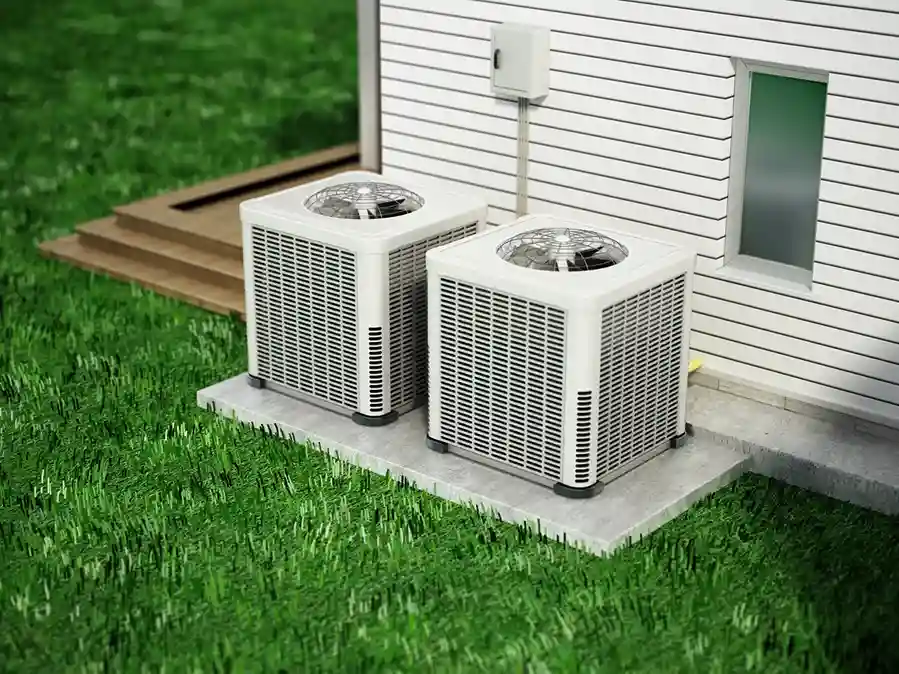
- Equipment Positioning and Stabilization: The outdoor unit must sit on a level, stable pad that elevates it above anticipated snow lines. In Highland, ensuring the unit is off the ground is vital to prevent snow accumulation from blocking airflow during the winter. We place a composite or concrete pad to minimize vibration and noise.
- Connection and Brazing: We connect the indoor and outdoor units via copper line sets. This step requires nitrogen purging while brazing to prevent oxidation inside the pipes. Once the lines are sealed, we perform a triple evacuation using a vacuum pump. This removes all moisture and non-condensibles from the lines, reaching a deep vacuum level (typically below 500 microns) to ensure the system is perfectly dry before releasing refrigerant.
- Electrical and Control Wiring: High-voltage wiring is connected to the disconnect box, and low-voltage control wires are run to the thermostat and air handler. We verify that the defrost board is correctly configured so the unit can melt ice accumulation during freezing weather without interrupting your comfort.
- Commissioning and Testing: The final step involves starting the system and measuring static pressure, temperature split (the difference in temperature between supply and return air), and amperage draw. We verify that the auxiliary heat kicks in only when necessary and that the system transitions smoothly between heating and cooling modes.
Deciding Between Heat Pump Repair vs. Replacement
Determining whether to repair an aging system or invest in a new installation is a financial and logical decision based on the condition of your current asset. While repairs can offer a short-term fix, they often delay the inevitable at a higher cumulative cost.
You should consider replacement if your current equipment is over 10 to 12 years old. Heat pumps run year-round, meaning they accumulate wear and tear faster than a standalone furnace or AC. By the 12-year mark, the compressor and reversing valve—the heart of the system—are often nearing the end of their design life.
- Rising Energy Bills: If your utility costs have steadily increased despite normal usage, the system has lost efficiency. Components wear down, coils get impacted, and motors face higher friction. A new system can reset your energy consumption to a baseline that is significantly lower.
- Frequency of Breakdowns: The "50% Rule" is a helpful metric. If the cost of a repair approaches 50% of the value of a new system, replacement is the smarter financial move. Additionally, if you have required more than two major repairs in the last two years, the unit is becoming unreliable.
- Refrigerant Type: If your current system utilizes R-22 (Freon), it is obsolete. R-22 is no longer manufactured, making recharge costs exorbitant. Upgrading to a system that uses R-410A or newer refrigerants is necessary for future serviceability.
- Comfort Issues: Uneven heating, humidity problems in the summer, or excessive noise are signs that the system can no longer keep up with the demand. A modern heat pump resolves these issues through variable-speed blowers and multi-stage compressors that modulate performance.
Local Insights: Installing Heat Pumps in Highland, IN
Installing a heat pump in Highland requires specific attention to the regional climate and regulatory environment. Unlike more temperate zones, Northern Indiana experiences distinct four-season weather, including sub-freezing winters and humid summers. This variability dictates how a heat pump must be configured.
- Defrost Cycle Management: In our region, humidity and freezing temperatures often coincide, leading to frost buildup on the outdoor coil. The heat pump must have a functioning demand-defrost control board. We ensure the unit is installed with proper elevation to allow meltwater to drain away freely, preventing it from refreezing and damaging the base of the unit.
- Hybrid Heating Considerations: For many homes in Highland, a "dual fuel" or hybrid system is the most efficient choice. This involves installing a heat pump paired with a gas furnace. The heat pump handles the bulk of the heating down to about 30-40 degrees Fahrenheit—where it is most efficient—and the gas furnace takes over during extreme cold snaps. This setup optimizes fuel costs and ensures comfort during deep freezes.
- Permitting and Codes: Lake County and Highland maintain specific building codes regarding HVAC installations. Permits are generally required for unit replacements to ensure electrical safety and proper gas piping (if applicable). Compliance involves verifying breaker sizing, wire gauge, and disconnect accessibility. We manage the permitting process to ensure your installation passes all municipal inspections.
- Utility Rebates and Incentives: Local utility providers often offer rebates for upgrading to high-efficiency electric heating systems. Furthermore, federal tax credits are frequently available for heat pumps that meet specific SEER2 and HSPF2 criteria. We assist in identifying which equipment qualifies for these financial incentives, helping to offset the initial investment.
Why Choose Us: Local Expertise & Reliable Service
Selecting the right contractor is as important as selecting the right brand of equipment. The efficiency ratings on the box are only achievable if the unit is installed with precision. Our team focuses on the technical details that drive performance and longevity.
We do not use subcontractors for our installations. Selecting the right contractor is as important as selecting the right brand of equipment. Every technician is trained in-house and understands the nuances of airflow dynamics and refrigerant thermodynamics. We utilize digital gauges and advanced diagnostic tools to verify that your system is performing exactly as the manufacturer intended before we leave your driveway.
- Transparency and Communication: We provide clear timelines and upfront scopes of work. You will know exactly what is being installed, how long it will take, and what is required from you (such as clearing access to the utility room).
- Technical Precision: From nitrogen purging to micron-gauge evacuations, we adhere to the highest industry standards. These technical steps prevent future issues like acid buildup in the compressor or refrigerant leaks.
- Respect for Property: Our installation teams use drop cloths and shoe covers to protect your flooring. We ensure all debris, including the old unit and packaging materials, is removed from your site.
Mr.Freeze Heating & Cooling is committed to delivering heating and cooling solutions that stand the test of time. We understand the specific load requirements of homes in this area and configure our systems to maximize comfort while minimizing energy waste.
Secure Your Comfort Today
Don't wait for your current system to fail during a heatwave or a freeze. Upgrade to a high-efficiency heat pump and take control of your indoor climate.
Contact us now to schedule your heat pump installation consultation.