
Protect Your Wine Collection with Precision Cooling
Temperature instability and uncontrolled humidity compromise the aging process of fine vintages, turning a valuable investment into vinegar. For collectors in Cedar Lake, IN, maintaining a consistent environment is the only way to ensure the longevity and flavor profile of your wine. Contact our team today to secure your collection or inquire about our financing options for new installations:
- Achieve ideal cellar conditions with advanced temperature and humidity controls designed specifically for wine preservation.
- Rapid installation and maintenance services provided to safeguard your investment without delay.
- Energy-efficient systems reduce operational costs and environmental impact while running continuously.
Fully licensed and insured, with comprehensive warranties and flexible financing options available.
Specialized Climate Control for Wine Preservation
A wine cellar is not simply a cold room; it is a controlled environment that mimics the natural conditions of underground caves in France or Italy. Standard air conditioning systems are insufficient for this task. While a standard AC unit is designed to cool a room quickly and remove humidity, a wine cooling system is engineered to cool slowly and maintain humidity. This distinction is critical. If the humidity drops too low, corks dry out, shrink, and allow air to enter the bottle, oxidizing the wine. If humidity is too high, labels peel and mold can develop on the corks.
Mr.Freeze Heating & Cooling provides specialized solutions that address the three enemies of wine: heat, fluctuation, and dryness. The goal is to maintain a steady temperature, typically around 55°F, and a relative humidity between 50% and 70%. Achieving this in the Cedar Lake area requires specific equipment capable of handling the region's humid continental climate.
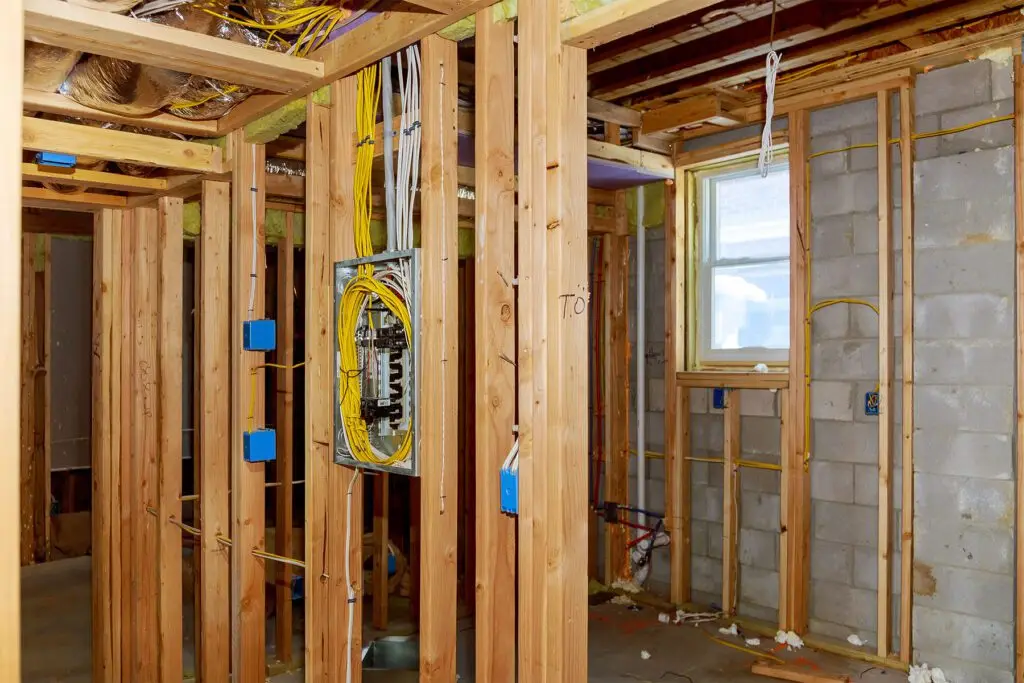
Components of a Professional Wine Cooling System
When upgrading or installing a new system, you receive equipment designed for 24/7 operation. Unlike residential AC units that cycle on and off based on human comfort, wine cooling units run gently and consistently to stabilize the air temperature and the liquid temperature (which changes much slower than air):
- Evaporator Coils: These are designed to operate at a higher temperature difference than standard AC coils, allowing for cooling without excessive dehumidification.
- Compressors: High-efficiency compressors minimize vibration. Vibration is detrimental to wine as it disturbs the sediment essential for the aging process.
- Controls and Sensors: Modern systems utilize remote sensors and Wi-Fi-enabled thermostats, allowing you to monitor cellar conditions from your smartphone and receive alerts if parameters drift.
- Humidification Integration: Some systems include integrated humidifiers or allow for easy addition of standalone units to inject moisture during dry winter months.
Types of Cooling Systems Available
We install and service the three main configurations of wine cellar cooling, depending on the constraints of your home and the size of your collection:
- Through-the-Wall Units: These are self-contained systems that mount through a wall into an adjacent interior room. They are cost-effective and relatively easy to install, making them ideal for smaller cellars or converted closets. They require the adjacent room to be well-ventilated to handle the exhaust heat.
- Ducted Split Systems: For collectors who want no visible equipment inside the cellar, a ducted split system is the standard. The evaporator and condenser are located remotely, and cold air is ducted into the cellar. This eliminates noise and vibration within the storage area, providing the most stable environment for the wine.
- Ductless Split Systems: Similar to a mini-split AC, the evaporator mounts on the cellar wall while the noisy condenser sits outside or in a mechanical room. This requires running refrigerant lines but eliminates the need for bulky ductwork. It serves as a middle ground between through-wall and fully ducted systems.
The Installation and Replacement Process
Installing a wine cooling system involves more than just placing a unit in a wall. The construction of the room itself dictates the success of the cooling unit. Without the proper room preparation, even the most expensive cooling unit will fail to hold temperature and will run up excessive energy bills:
- Heat Load Calculation: First, we perform a detailed heat load calculation. This involves measuring the dimensions of the cellar, the R-value of the insulation, the type of lighting used, and the amount of glass (doors or windows). Glass is a poor insulator, and cellars with glass walls require significantly more powerful cooling units than fully enclosed bunkers.
- Vapor Barrier Verification: Next, we verify the existence or integrity of a vapor barrier. In a wine cellar, the cool air inside creates a pressure difference that pulls warm, moist air through the walls. Without a 6-mil polyethylene vapor barrier on the warm side of the insulation, condensation will form inside the wall cavities, leading to rot and mold. This step is non-negotiable for a functional cellar.
- Unit Placement and Rough-In: The installation team mounts the evaporator and condenser units. For split systems, copper refrigerant lines are run between the two components. We also install condensate drain lines to safely remove the water pulled from the air during the cooling process. Gravity drains are preferred, but condensate pumps are installed when gravity drainage isn't possible.
- Electrical and Connection: Dedicated electrical circuits are established to prevent breakers from tripping and shutting down the system unnoticed. The refrigerant lines are brazed, pressure-tested with nitrogen to check for leaks, and then evacuated to remove moisture before being charged with refrigerant.
- Testing and Calibration: Finally, the system is powered on. We do not simply set it and leave. The system is monitored to ensure it reaches the set point without short-cycling. We calibrate the thermostat to measure the liquid temperature (using a bottle probe) rather than just air temperature, ensuring the cooling cycle responds to the needs of the wine, not the room air.
Determining When to Repair vs. Replace
Wine cooling units work harder than standard air conditioners because they operate year-round and must maintain a lower temperature. This continuous workload impacts the lifespan of the equipment. Knowing when to invest in a repair versus a full replacement helps protect your collection from sudden system failure.
Indications for Repair
If the unit is relatively new (under five years old) and the issue is isolated, repair is often the most improved path:
- Minor Component Failure: Issues such as a failed fan motor, a bad capacitor, or a faulty thermostat sensor are routine repairs. These parts are generally replaceable without compromising the integrity of the entire system.
- Clogged Coils or Drains: If the unit is freezing up or leaking water, it often indicates a lack of maintenance rather than a system death. Cleaning the condenser coils or clearing a blocked condensate drain line can restore full functionality.
- Refrigerant Leaks (Small): If a leak is located in an accessible joint or connection, it can be repaired and the system recharged. However, leaks in the evaporator coil itself are more problematic.
Indications for Replacement
When the reliability of the system is in question, replacement is safer than risking a collection worth thousands of dollars:
- Compressor Failure: The compressor is the heart of the system. If it fails, the cost of the part and labor usually approaches the cost of a new unit. A new unit also brings updated warranties and better energy efficiency.
- Age and Inefficiency: If the system is over 10-15 years old and struggling to maintain 55°F on hot days, it is likely nearing the end of its service life. Older units use outdated refrigerants that are expensive or impossible to source.
- Persistent Humidity Issues: If the unit can no longer strip excess humidity or maintain the balance required, it puts corks at risk. Modern units offer superior humidity management features that older models lack.
- Mold Growth Inside the Unit: If the internal components of the cooling unit have developed significant mold due to years of condensation, cleaning is often ineffective. Replacement ensures the air circulating over your wine is clean and safe.
Local Considerations for Cedar Lake Installations
Operating a wine cellar in Cedar Lake presents specific challenges due to the regional environment. The humid continental climate means the system faces two distinct battles: heat and humidity in the summer, and dryness in the winter:
- Summer Humidity Load: During the summer months, humidity levels can spike. Your cooling system must have a high latent cooling capacity to remove this moisture. If the cellar was not built with a perfect vapor barrier, the cooling unit acts as a dehumidifier for the entire house, which shortens its lifespan. We size units specifically to handle this "latent load" to prevent the evaporator coils from icing up.
- Winter Dryness: Conversely, in winter, the heating systems in homes tend to dry out the air. While the cellar needs to remain cool, the ambient humidity in the home drops. A wine cooling system must monitor this drop. If the humidity in the cellar falls below 50%, the corks are in danger. We recommend systems with integrated humidification or advise on standalone solutions to bridge the seasonal gap.
- Electrical and Building Codes: Installing these systems requires adherence to local building and electrical codes. Dedicated circuits are almost always required to ensure the cooling unit does not trip a breaker shared with other appliances. Additionally, any through-wall or split system installation involves penetrating the building envelope or interior partitions, which must be sealed according to fire and draft stopping regulations.
- Utility Reliability: Power outages can occur during storms. For serious collectors, we discuss integration with backup generators or battery backups. While wine has a high thermal mass and won't spoil immediately during a short outage, prolonged loss of power in summer can be disastrous.
Technical Expertise and System Integrity
A wine cellar is a high-stakes environment. The technicians at Mr.Freeze Heating & Cooling understand that the margin for error is nonexistent when preserving vintage wines. We do not apply generic HVAC principles to cellar cooling; we apply specialized thermodynamics tailored to liquid preservation:
- Load Calculation Precision: We use Manual J calculations adapted for cold storage to ensure the unit is neither undersized (running constantly and failing to cool) nor oversized (short-cycling and failing to dehumidify).
- Ductwork Design: For ducted systems, we use rigid ducting and minimize flex duct to reduce static pressure and noise. This ensures the cellar remains a quiet sanctuary rather than a mechanical room.
- Vibration Isolation: We utilize rubber isolators and specific mounting brackets to ensure that the mechanical vibration from the condenser does not transfer through the framing of the house to the wine racks.
- Comprehensive Testing: We pressure test lines with nitrogen to 300+ PSI to ensure there are absolutely no micro-leaks in the brazed joints, guaranteeing the system holds its refrigerant charge for the long term.
Preserve Your Collection with Precision Cooling
Protecting a wine collection requires a proactive approach to climate control. Do not wait for corks to crumble or wine to oxidize before upgrading your system. Secure your investment with professional cooling solutions that deliver precision, reliability, and peace of mind.
Schedule your wine cellar assessment today to ensure your collection is preserved for the future.