
Is Your Heating System Failing to Keep Up with Indiana Winters?
Facing brutal Cedar Lake winters with an old or malfunctioning heat pump can make each day a challenge, putting your home’s comfort and your family’s safety at risk. Ensure your home stays warm and energy-efficient by scheduling a consultation or calling us directly for professional heat pump installation services.
When your heating equipment falters during a freeze or fails to dehumidify during the humid summer months, immediate action is required to restore balance to your indoor environment. We provide homeowners with streamlined, technically accurate installation services designed to handle the specific climate demands of Northern Indiana:
- Secure a new, high-performance heat pump installation as soon as your system is assessed.
- Significantly reduce monthly energy expenditures with high-efficiency models designed for cold climates.
- Receive comprehensive warranty coverage and support from technicians familiar with local infrastructure.
Backed by strict adherence to local permits and robust manufacturer warranties for complete peace of mind.
Immediate Benefits of Modern Heat Pump Installation
Installing a modern heat pump solves two problems at once: heating and cooling. Unlike traditional furnaces that only generate heat, a heat pump moves heat, making it an efficient solution for the fluctuating temperatures found in Cedar Lake. Upgrading your system today means immediate access to superior climate control technology that adjusts output based on real-time demand.
Homeowners often switch to heat pumps to address the inefficiency of aging HVAC equipment. Modern units utilize variable-speed compressors and inverter technology. This allows the system to ramp up or down incrementally rather than blasting at full capacity and then shutting off. This "modulating" approach maintains a consistent temperature, eliminates cold spots, and significantly reduces the wear and tear associated with frequent on-off cycling.
Mr.Freeze Heating & Cooling ensures that every installation maximizes these technical benefits. By calculating the exact load requirements of your property, the new system is optimized to perform efficiently whether the temperature outside is 85°F or 15°F.
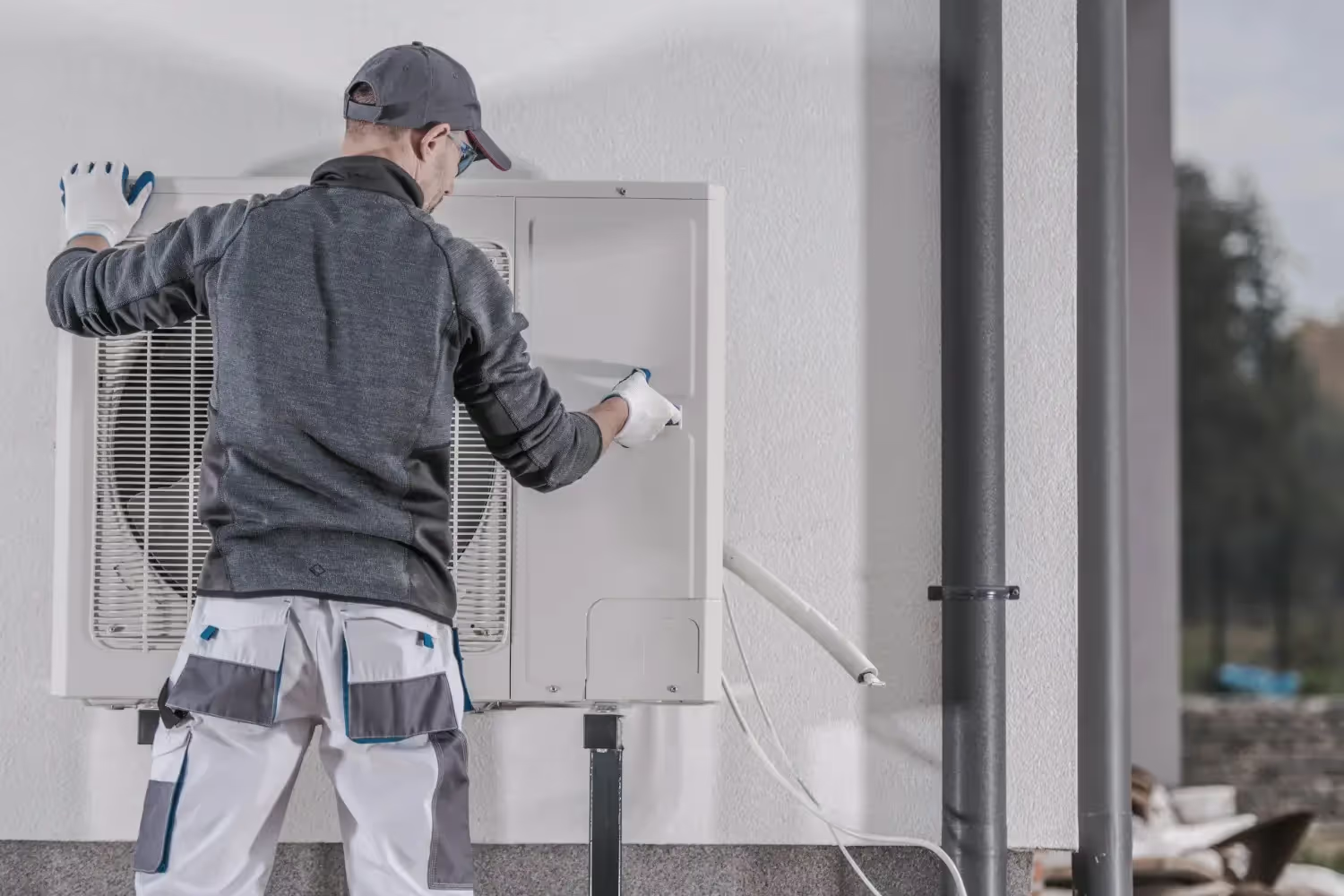
Detailed Scope: What Is Included in Your Installation
A professional installation goes far beyond simply swapping boxes. It is a comprehensive service designed to integrate the new machinery seamlessly with your home's existing infrastructure:
- Site Evaluation and Load Calculation: Technicians perform a Manual J load calculation before any equipment is selected. This engineering standard determines the precise heating and cooling BTUs required for your specific square footage, insulation levels, window types, and orientation. Skipping this step leads to oversized or undersized units, both of which shorten the equipment's lifespan.
- System Selection and Sizing: Based on the data gathered, a unit is selected that matches your home’s thermal profile. This includes selecting the correct SEER2 (Seasonal Energy Efficiency Ratio) and HSPF2 (Heating Seasonal Performance Factor) ratings to ensure the system delivers maximum efficiency for every dollar spent on electricity.
- Ductwork and Airflow Assessment: The efficiency of a heat pump is heavily dependent on the ductwork it breathes through. The installation scope includes inspecting existing ducts for leaks, disconnects, or inadequate sizing. If the ductwork cannot handle the airflow of the new system, static pressure issues will arise, leading to blower motor failure. Necessary modifications are identified and executed.
- Safe Removal and Disposal: The service includes the disconnection and environmentally safe disposal of the old unit. This involves recovering existing refrigerant according to EPA standards to prevent atmospheric venting, followed by the removal of the condenser and air handler.
The Installation Process from Assessment to Ignition
A structured installation process ensures that nothing is overlooked. Professional teams follow a rigorous protocol to guarantee the system operates according to manufacturer specifications from the very first cycle:
- Site Preparation: The area where the outdoor unit (condenser) will sit is leveled and prepared. A composite or concrete pad is installed to keep the unit off the ground, protecting it from snow accumulation and ensuring proper drainage during defrost cycles.
- Indoor Unit Placement: The indoor air handler or coil is positioned carefully to align with existing plenums. Technicians ensure the unit is level to facilitate proper condensate drainage, preventing water damage and mold growth inside the system.
- Refrigerant Line Set Connection: Copper refrigerant lines connecting the indoor and outdoor units are installed, brazed, and sealed. Nitrogen is flowed through the lines during brazing to prevent oxidation, which can clog sensitive valves in the compressor.
- Electrical and Control Wiring: High-voltage wiring is connected to a dedicated disconnect box for safety. Low-voltage control wiring is routed to the thermostat. In many modern installations, this involves setting up communicating thermostats that provide diagnostic data and precise humidity control.
- Vacuum and Charge: Once the lines are sealed, a vacuum pump removes all moisture and air from the system. This is critical; moisture left in the lines mixes with refrigerant to create acid, which destroys compressors. After achieving a deep vacuum, the system is charged with the precise amount of refrigerant required.
- Final Commissioning: The system is powered on and tested. Technicians measure static pressure, temperature rise and drop, and voltage amp draws to verify the system is performing exactly as designed.
Determining When Replacement is the Smarter Choice
Repairing an aging system is often a temporary fix that delays the inevitable while draining your wallet. Knowing when to stop repairing and choose replacement is a financial and comfort decision:
- Age of the Equipment: Heat pumps generally last between 10 and 15 years. If your unit is approaching or has surpassed this range, components like the compressor and reversing valve are likely near the end of their operational life. Investing in major repairs for a unit this old offers a poor return on investment.
- Frequency of Breakdowns: If you require professional service more than once a year, or if you have had to pay for "emergency" repairs in consecutive seasons, the system has become unreliable. Reliability is paramount during a deep freeze.
- Rising Energy Bills: As internal components wear and coils degrade, the system must work harder to transfer heat. If your utility usage has increased despite normal usage patterns, the system has lost its efficiency. New systems can reduce energy consumption by significant margins compared to decade-old models.
- Use of R-22 Refrigerant: If your older system relies on R-22 (Freon), repairs involving refrigerant leaks are exorbitantly expensive due to the phase-out of this chemical. Upgrading to a system that uses R-410A or newer refrigerants is the only long-term solution.
- Compromised Compressor: The compressor is the heart of the heat pump. If it fails or grounds out, the cost of replacement often rivals the cost of a brand-new outdoor unit. In this scenario, replacement is almost always the correct technical path.
Navigating Local Requirements and Climate Factors
Installing a heat pump in Cedar Lake requires specific attention to regional variables. The local climate features distinct seasonality, with cold, snowy winters and humid summers. Standard heat pumps may struggle when temperatures drop below freezing, which is why specific "Cold Climate" heat pumps or hybrid systems are recommended:
- Hybrid Heating Solutions: Given the potential for temperatures to drop near or below zero, many homeowners opt for a dual-fuel system. This setup pairs an electric heat pump with a gas furnace. The heat pump handles the heating load during moderate fall and spring weather, while the gas furnace takes over automatically when outdoor temperatures plunge to extreme lows. This maximizes efficiency and ensures comfort during the coldest nights.
- Permitting and Code Compliance: Installation work must adhere to local building codes and safety regulations. This includes proper electrical circuit sizing, breaker compatibility, and clearance distances for the outdoor unit. Professional installers handle the acquisition of necessary permits and ensure the job passes municipal inspections.
- Utility Coordination: Often, upgrading to a high-efficiency heat pump requires coordination with local electrical requirements. Furthermore, newer high-efficiency units frequently qualify for federal tax credits under the Inflation Reduction Act (IRA) or rebates from local utility providers. Professional service providers can assist in identifying equipment that meets the criteria for these financial incentives.
- Snow and Ice Management: The outdoor unit must be installed with snow elevation in mind. In this region, snow accumulation can block airflow around the condenser, causing the system to freeze up. Installers utilize risers or stands to keep the unit above the average snow line, ensuring the defrost cycle functions correctly.
Technical Differentiators in Installation Quality
The longevity of a heat pump is dictated 90% by the quality of the installation and 10% by the brand of the equipment. A top-tier unit installed poorly will fail prematurely, while a standard unit installed perfectly will provide years of reliable service:
- Refrigerant Charge Accuracy: A system that is undercharged or overcharged by even 10% can see efficiency drop by up to 20%. Improper charging also stresses the compressor. Technicians use digital gauges and subcooling/superheat calculations to dial in the charge to the ounce.
- Airflow Balancing: A heat pump requires a specific volume of air across the indoor coil to facilitate heat transfer. If airflow is too low, the coil can freeze in summer or overheat in winter. Installers verify static pressure across the filter and coil to ensure the blower motor is moving the correct CFM (Cubic Feet per Minute) of air.
- Brazing Standards: When connecting copper lines, the use of nitrogen purging is a non-negotiable step for quality. Without nitrogen flowing through the pipe during brazing, black carbon scale forms inside the copper. When the system starts, this scale is swept into the expansion valve or compressor oil, leading to catastrophic failure down the road.
- Duct Sealing: Leaky ducts can lose up to 30% of the conditioned air before it reaches your living space. As part of a high-quality installation, accessible duct connections are sealed with mastic or foil tape to ensure the air you pay to heat or cool actually enters your rooms.
Advanced Control Integration
Modern heat pumps are designed to communicate. Replacing a system is the ideal time to upgrade the interface that controls your home’s climate. New installations often include the setup of smart thermostats that do more than just set a temperature:
- Humidity Control: In the humid summers typical of the area, a heat pump with a variable-speed air handler can act as a dehumidifier. The thermostat can signal the system to run at a lower speed to pull more moisture out of the air without over-cooling the space.
- Zoning Capabilities: For larger homes, zoning systems can be integrated during installation. This allows different areas of the house to be heated or cooled independently, correcting issues where upstairs rooms are hot while the basement is freezing.
- Remote Diagnostics: Some high-end systems offer remote monitoring. If the system detects a fault—such as a motor drawing too many amps or a pressure switch tripping—it can send an alert to the homeowner or the service provider, often before the home loses temperature.
Why Choose Us
Choosing the right team for your heat pump installation is just as important as selecting the right system. At Mr.Freeze Heating & Cooling, we combine technical expertise, local knowledge, and a commitment to excellence to ensure your home stays comfortable year-round:
- Local Climate Expertise: We understand Cedar Lake’s extreme winters and humid summers. Every installation is tailored to perform efficiently in our unique seasonal conditions.
- Precision Engineering: From Manual J load calculations to ductwork assessment, we ensure every system is perfectly sized and installed for maximum efficiency.
- Quality-First Installations: Our technicians follow rigorous standards, including nitrogen-purged brazing, airflow balancing, and accurate refrigerant charging, to guarantee long-lasting performance.
- Comprehensive Service: We manage every step—permitting, code compliance, safe removal of old units, and setup of smart controls—so you receive a seamless, worry-free experience.
- Energy Efficiency & Cost Savings: Our high-performance heat pumps and hybrid systems are designed to reduce energy consumption while keeping your home warm in winter and cool in summer.
- Peace of Mind: With full warranties, professional support, and adherence to manufacturer specifications, you can trust that your system will operate reliably for years to come.
With Mr.Freeze Heating & Cooling, you’re not just getting a heat pump—you’re securing consistent comfort, energy savings, and the confidence that your home is in expert hands.
Securing Your Comfort with Professional Installation
A heat pump is a complex piece of machinery that serves as the lifeblood of your home's comfort system. Whether you are looking to replace a failing unit or upgrade to a hybrid dual-fuel system to better manage the local climate, the quality of the installation determines the future performance of the unit. Correct sizing, code compliance, and technical precision are not optional; they are the standard.
Mr.Freeze Heating & Cooling delivers the expertise required to ensure your investment pays off in consistent comfort and operational efficiency. Don't leave your home exposed to the elements with a failing system. Contact us today to schedule your site evaluation and heat pump installation.