
Is Your Indoor Air Quality Safe for Your Health?
Concerned about the air you breathe at home or in the office in Schererville? You are not alone—indoor air quality is a major concern for health and comfort, and ignoring persistent respiratory issues or stale odors can lead to long-term well-being problems. Contact us today to schedule a comprehensive evaluation or inquire about financing options for necessary remediation equipment.
We provide clarity on invisible threats within your environment through professional testing.
- Quick and accurate air quality assessments, often completed within the same day.
- Detailed reports identifying specific contaminants and providing actionable solutions.
- Certified clean air experts ready to ensure your space meets strict health standards.
- Fully certified and insured service tailored to your scheduling needs.
Comprehensive Air Quality Assessment Services
When you schedule professional testing, the goal is to move beyond guesswork and identify exactly what is circulating in your ductwork and living spaces. Many homeowners attempt to treat symptoms—such as allergies or dust buildup—without understanding the root cause. Our service provides a scientific analysis of your indoor environment.
What We Test For
Modern homes are built to be energy efficient, which often means they are tightly sealed. While this is excellent for retaining heat during a freeze, it traps pollutants inside. Our testing equipment targets a wide spectrum of airborne contaminants:
- Volatile Organic Compounds (VOCs): These are gases emitted from certain solids or liquids. Common sources include paints, cleaning supplies, building materials, and office equipment. High concentrations can cause headaches and long-term health issues.
- Particulate Matter (PM2.5 and PM10): These are microscopic particles that can penetrate deep into the lungs. Sources include dust, pollen, pet dander, and combustion particles from cooking or heating systems.
- Biological Pollutants: This category includes mold spores, bacteria, viruses, and dust mite allergens. Identifying the presence of mold spores is particularly critical in humid environments where moisture control is a challenge.
- Carbon Monoxide and Carbon Dioxide Levels: Elevated CO2 levels indicate poor ventilation, leading to drowsiness and cognitive issues, while Carbon Monoxide is a lethal gas that requires immediate detection.
- Relative Humidity and Temperature: Extremes in humidity can fuel mold growth or cause respiratory irritation. We measure these baselines to determine if your HVAC system is properly balancing moisture.
The Detailed Report
You receive more than just a pass/fail grade. The service includes a comprehensive report that breaks down the levels of each contaminant found. This document serves as a roadmap for improving your home’s health. It highlights areas where pollutant levels exceed recommended safety standards and provides specific data points that can be used to select the right air purifiers, dehumidifiers, or ventilation systems.
Service Timeline
In most cases, the physical data collection is efficient and non-intrusive. Technicians arrive at the scheduled time, set up calibrated monitoring equipment, and gather samples from key areas of the property. While some instantaneous readings are available immediately, samples requiring laboratory culture or detailed chemical analysis may take a few days to process. The focus is on accuracy to ensure the remediation strategy is built on facts, not assumptions.
Our Indoor Air Quality Testing Process
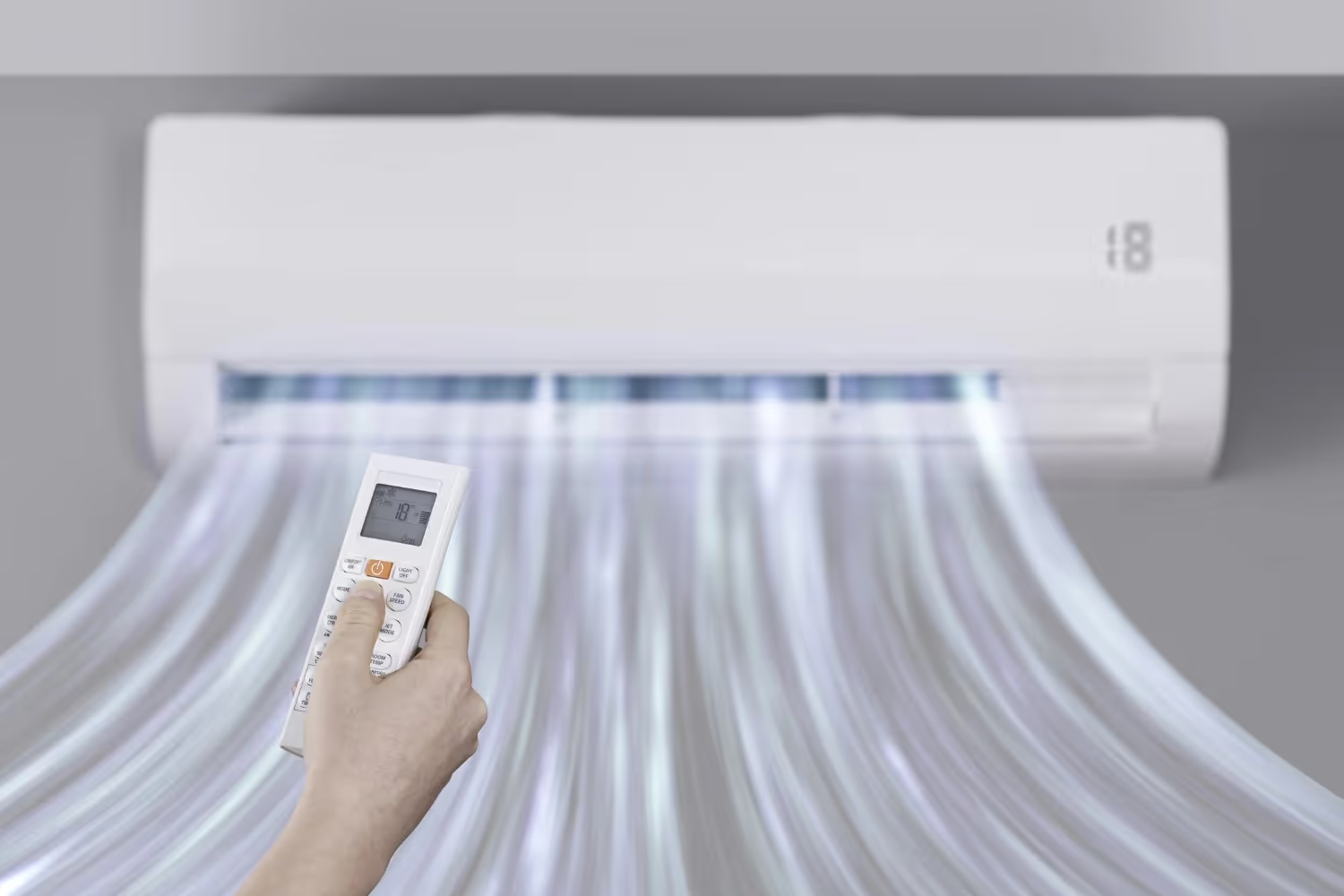
We follow a rigorous protocol to ensure every test is consistent, accurate, and actionable. We do not rely on single-point data; we look at the home as a complete ecosystem.
- Initial Consultation and Walkthrough: The process begins with a visual inspection. Technicians look for visible signs of mold, condensation on windows, dust buildup on vents, and potential pollutant sources like chemical storage or attached garages.
- Equipment Setup: Calibrated monitors are placed in strategic locations. These areas usually include high-traffic zones like living rooms and bedrooms, as well as potential problem areas like basements or attics.
- Data Collection: The equipment runs for a specified duration to capture a representative sample of the air. This accounts for fluctuations that might occur throughout the day, such as when the HVAC system cycles on and off.
- Sample Analysis: For specific biological or chemical concerns, physical samples (air or surface swabs) are secured and sent to an accredited laboratory for detailed analysis.
- Results Review: Once the data is compiled, we review the findings with you. This is not just a handover of data; it is a consultation to explain what the numbers mean for your health and your HVAC system's performance.
- Action Plan Formulation: Based on the results, we recommend specific equipment or changes. This might include installing a whole-home air purifier, upgrading to high-efficiency filters, or adding ventilation solutions like ERVs (Energy Recovery Ventilators).
Signs You Need Professional Air Testing
Determining when to test the air is often the hardest part for a homeowner. Unlike a broken furnace that stops producing heat, poor air quality is often invisible until physical symptoms arise.
Health-Based Indicators
Your body often reacts to poor air quality before you see any physical evidence in the home. If occupants experience the following symptoms that seem to improve when they leave the house, testing is highly recommended:
- Persistent coughing, sneezing, or throat irritation.
- Frequent headaches or dizziness upon waking up.
- Worsening asthma or allergy symptoms despite medication.
- Dry or itchy skin and eyes.
- Unexplained fatigue or difficulty concentrating.
Environmental Indicators
The house itself will also provide clues that the ventilation or filtration systems are failing to maintain clean air:
- Excessive Dust: If you find yourself dusting surfaces constantly, or if dust reappears within a day of cleaning, it indicates a high load of particulate matter.
- Lingering Odors: Musty smells suggest mold or mildew, while chemical smells may indicate high VOC levels from off-gassing materials.
- Condensation: Water droplets on the inside of windows indicate high humidity, which is a precursor to mold growth.
- Stale or Stuffy Air: If the air feels heavy or lacks freshness, it typically means there is insufficient fresh air exchange.
Situational Triggers
Certain life events or home changes should automatically trigger a need for air quality verification:
- New Construction or Renovation: Remodeling kicks up drywall dust, sawdust, and introduces new materials that off-gas formaldehyde and other VOCs.
- Newborns or Elderly Residents: Infants and seniors are more susceptible to respiratory issues. Ensuring the environment is safe for them is a proactive health measure.
- Buying a New Home: Before closing on a property, understanding the air quality can prevent inheriting a home with hidden mold or ventilation issues.
When to Invest in Remediation vs. Continued Monitoring
Testing provides the data, but the decision on how to act depends on the severity of the findings. Not every issue requires a complete HVAC overhaul, but ignoring red flags leads to costlier problems down the road.
When Monitoring is Sufficient
If the report shows pollutant levels are within or slightly above the acceptable range, immediate heavy investment might not be necessary. In these cases, simple behavioral changes may suffice:
- Changing HVAC filters more frequently (every 30 to 60 days).
- Improving ventilation by opening windows when weather permits.
- Removing specific pollutant sources, such as harsh cleaning chemicals or scented candles.
- Scheduling a follow-up test in six to twelve months to ensure levels remain stable.
When Equipment Installation is Necessary
If the test reveals dangerous levels of mold spores, high VOCs, or excessive CO2, relying on behavioral changes is ineffective. Mechanical intervention becomes the only viable option to protect health. In these scenarios, the data supports the investment in:
- Whole-Home Dehumidifiers: Essential for homes testing high for mold risks and humidity.
- UV Germicidal Lights: Required when biological contaminants like bacteria or viruses are detected in the airflow.
- HEPA Filtration Systems: Necessary when particulate matter levels are high enough to trigger respiratory distress.
- Energy Recovery Ventilators (ERVs): Vital for homes with high CO2 levels, ensuring fresh air enters without losing thermal energy.
At Mr.Freeze Heating & Cooling, we use the data from these tests to guide you toward the exact equipment needed—never overselling, just solving the identified problem.
Managing Air Quality in Indiana Climates
In Schererville, the local climate plays a massive role in how indoor air quality fluctuates throughout the year. The distinct seasons create a pendulum effect that challenges your home’s ability to remain healthy.
Winter Challenges
During the cold, snowy months, homes are sealed tight to conserve heat. While this lowers energy bills, it prevents fresh air from entering. The result is a concentration of indoor pollutants. CO2 levels rise, and viruses linger longer in the stagnant air. Furthermore, heating systems can dry out the air, causing humidity levels to drop below healthy standards (30-50%), which irritates nasal passages and increases susceptibility to illness. Testing in winter often reveals a need for humidification and better ventilation strategies.
Summer Challenges
The warm, humid summers bring a different set of problems. High outdoor humidity infiltrates the home, making the air feel sticky and warm. If your air conditioner is not sized correctly, it may cool the air quickly but fail to remove moisture. This creates a breeding ground for dust mites and mold. During this season, air quality reports frequently highlight the need for dedicated dehumidification to keep moisture levels in check and prevent biological growth.
Local Construction and Agriculture
Regional factors also influence what gets pulled into your home. Nearby agricultural activities can increase pollen and dust levels during specific seasons. Additionally, local roadwork or construction projects contribute to elevated outdoor particulate matter, which inevitably finds its way indoors through open doors or leaks in the building envelope.
Why Professional Testing Beats DIY Kits
Homeowners often ask if they can simply buy a consumer-grade test kit online. While these kits are available, they lack the precision and scope required for making expensive decisions about your home’s infrastructure.
Accuracy and Calibration
Consumer monitors often use lower-grade sensors that drift over time or react to non-target gases (cross-sensitivity). Professional equipment is regularly calibrated against industry standards. This ensures that a reading of "High VOCs" is actually accurate and not a false alarm caused by a specific household odor.
Comprehensive Scope
Most DIY kits test for one or two things—usually mold or radon. They rarely provide a holistic view of the air. A professional assessment looks at the interplay between temperature, humidity, particulates, and gases. Understanding how these factors interact is key to solving the problem. For example, high humidity often causes high mold counts; treating the mold without fixing the humidity ensures the mold returns.
Interpretation of Data
A DIY kit might give you a number or a color code, but it doesn't tell you why the number is high or where the source is. Professional technicians understand airflow dynamics. They can interpret the data to pinpoint if the issue is coming from the basement, the attic, a specific return vent, or the furniture. This diagnostic capability saves money by targeting the remediation efforts effectively.
Actionable Roadmap
The primary value of professional testing is the transition from data to solution. A raw number doesn't clean the air. A professional service helps you navigate the complex market of filtration and purification products. Instead of guessing which air purifier to buy, you can select equipment rated specifically for the contaminants found in your home.
Secure Your Health and Comfort Today
Breathing clean air is fundamental to your quality of life. Whether you are dealing with noticeable respiratory irritation, preparing for a new family member, or simply want to ensure your home is a safe haven, professional air quality testing provides the answers you need. Don't let invisible pollutants dictate your health. Trust Mr.Freeze Heating & Cooling to provide the data, the analysis, and the solutions required to restore purity to your indoor environment. Contact us now to schedule your indoor air quality assessment.