
Immediate Heat Pump Repair Solutions
When your heat pump fails during a freezing Schererville winter or a humid summer afternoon, your home quickly becomes uncomfortable and unsafe, requiring immediate professional intervention. Contact us today to schedule an urgent diagnostic visit or inquire about financing options for major repairs. A malfunctioning system not only impacts your indoor temperature but can also lead to skyrocketing utility bills if the auxiliary heat strips run continuously or the compressor struggles to maintain pressure. We provide rapid, accurate assessments to get your system running efficiently again.
- Same-day service ensures efficient restoration of your heat pump functionality.
- Certified technicians backed by warranties for peace of mind.
- Competitive pricing with transparent quotes provided upfront.
Fully licensed and insured – all repairs guarantee your satisfaction and security.
Professional Diagnostics and System Restoration
Heat pumps are sophisticated systems that handle both heating and cooling, making them the workhorse of your HVAC setup. When performance drops or the unit stops working entirely, accurate diagnostics are the first step toward a solution. In the variable climate of Schererville, IN, where temperatures swing from the 20s in winter to over 85°F in summer, a heat pump must switch between modes seamlessly. Our technicians arrive with fully stocked service vehicles, prepared to address electrical failures, refrigerant flow issues, and mechanical breakdowns on the spot.
The goal of a service visit is not just to patch a problem but to identify why the failure occurred. This involves checking the reversing valve, examining the compressor's amperage, and ensuring the outdoor unit is communicating correctly with the thermostat. If a heat pump is stuck in cooling mode during December or blowing cold air in January, it indicates a specific failure in the reversing valve solenoid or control board. By isolating these components immediately, we reduce the downtime of your system and prevent further damage to critical parts like the compressor.
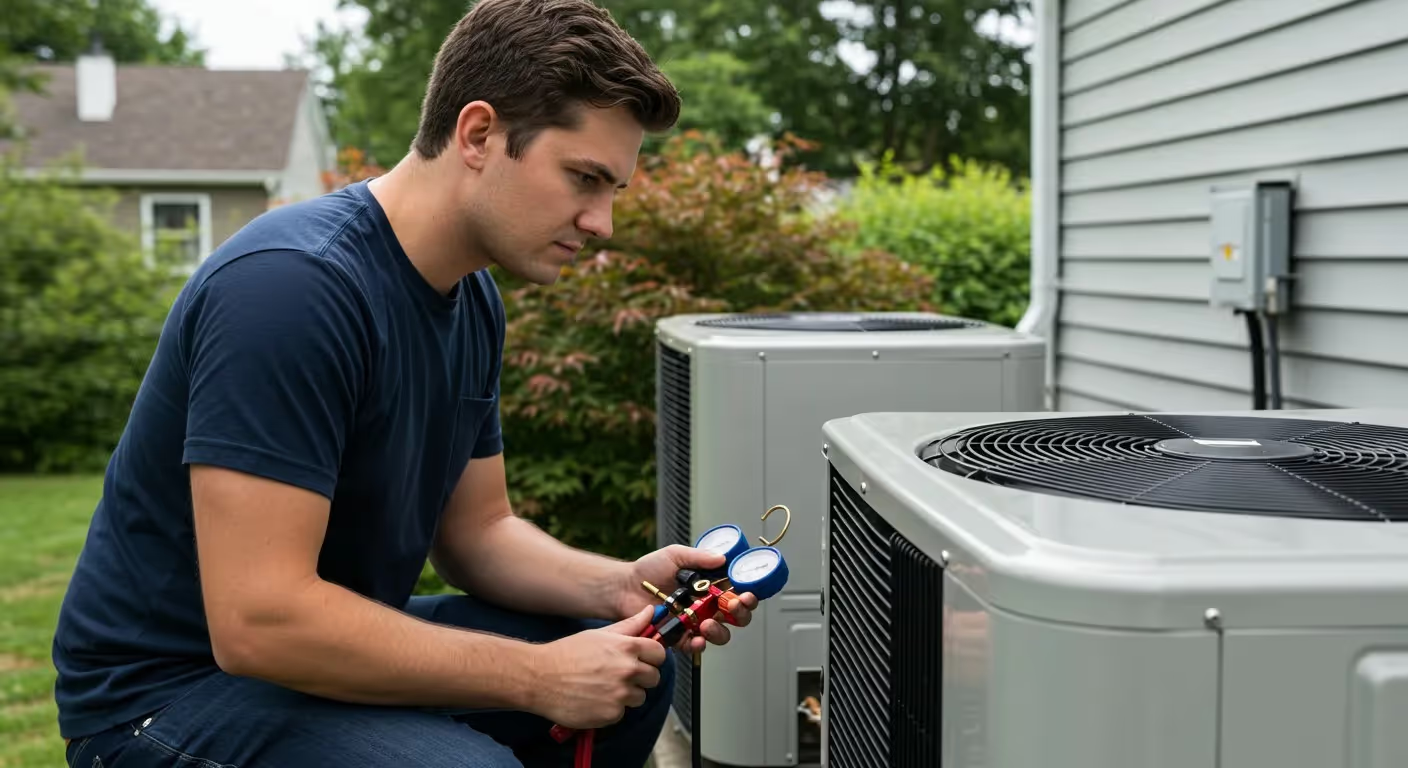
Homeowners frequently notice issues such as the outdoor unit freezing up or the system short-cycling. These are symptoms of underlying airflow or refrigerant problems. A technician will evaluate static pressure, check for dirty filters or blocked ducts, and measure superheat and subcooling levels to determine the exact charge of the system. This technical approach ensures that when the repair is complete, the unit operates at the manufacturer's specified efficiency levels.
Identifying Root Causes of Efficiency Loss and Failure
Heat pumps operate differently from standard furnaces or air conditioners, relying on heat transfer rather than fuel combustion. This makes them efficient, but it also introduces specific failure points that require specialized knowledge to repair. Understanding what goes wrong helps in making informed decisions about your HVAC investments.
- Refrigerant Leaks: If your system is low on refrigerant, it cannot transfer heat effectively. In winter, this means the unit runs constantly without warming the house. In summer, the coils may freeze. Locating the leak requires electronic leak detectors and pressure tests, followed by a seal repair and recharge.
- Reversing Valve Failure: This component is what distinguishes a heat pump from an AC. It changes the flow of refrigerant to switch between heating and cooling. If this valve gets stuck, the system will only operate in one mode. Replacing a reversing valve is a complex brazing job that requires a skilled professional.
- Electrical Control Issues: The defrost board controls the cycle that melts ice off the outdoor unit in winter. If this board or its sensors fail, the outdoor unit will turn into a block of ice, crushing the fins and potentially burning out the fan motor.
- Compressor Malfunctions: The compressor is the heart of the system. Hard starting, loud noises, or tripping breakers are signs that the compressor is struggling. This is often caused by electrical stress or liquid slugging returning to the compressor.
- Auxiliary Heat Problems: When temperatures in Indiana drop significantly, heat pumps rely on electric heat strips for supplemental warmth. If these strips burn out or the sequencers fail, the heat pump may blow lukewarm air, failing to keep up with the thermostat setting.
Step-by-Step Process for Heat Pump Repair
When you require service, clarity on the process helps manage expectations and timing. A structured approach ensures that no diagnostic step is missed and that the repair holds up against the local weather extremes.
- Initial System Assessment: The technician begins by listening to the homeowner's description of the issue and then performs a visual inspection of both the indoor air handler and the outdoor condenser unit.
- Electrical and Mechanical Testing: Using multimeters and gauges, the technician tests capacitors, contactors, motors, and refrigerant pressures. This data identifies whether the issue is a simple electrical component or a major mechanical failure.
- Diagnosis and Quote Presentation: Once the root cause is confirmed, you receive a detailed explanation of the problem and a flat-rate price for the repair. This eliminates surprises on the final bill.
- Execution of Repairs: Upon approval, the technician performs the necessary work. This may involve recovering refrigerant, brazing new lines, replacing motors, or calibrating the thermostat.
- System Testing and Verification: After the part is installed, the system is run through a full cycle. The technician verifies temperature differentials (delta T) to ensure the air coming out of the vents is at the correct temperature for the current mode.
- Cleanup and Final Report: The work area is cleaned, and the technician updates the service log, explaining any warranty details associated with the new parts.
Mr.Freeze Heating & Cooling ensures that this process is followed rigorously on every call to maintain high service standards and system reliability.
Assessing Repair VS Replacement Options
Deciding whether to repair an aging heat pump or replace it with a modern, high-efficiency unit is a common dilemma for homeowners. This decision often comes down to a combination of system age, repair cost, and future reliability expectations.
The "50% Rule" is a standard industry metric: if the cost of the repair approaches 50% of the value of a new system, replacement is generally the wiser financial choice. Additionally, the age of the equipment plays a major role. Heat pumps generally have a lifespan of 10 to 15 years. Because they run year-round for both heating and cooling, they endure twice the wear and tear of a standalone furnace or AC unit.
- Frequency of Breakdowns: If you have required repairs more than once in the last two years, the system is likely entering a phase of diminishing returns where components will fail in rapid succession.
- Refrigerant Type: Older systems use R-22 refrigerant, which is phased out and extremely expensive to replace. If an R-22 system has a leak, it is almost always more cost-effective to upgrade to a system using R-410A or newer refrigerants.
- Energy Efficiency (SEER and HSPF Ratings): Modern heat pumps are significantly more efficient than those manufactured a decade ago. Upgrading can result in monthly utility savings that help offset the cost of installation.
- Comfort Issues: If your current unit results in hot and cold spots, humidity issues, or excessive noise, a repair might fix the mechanical break but won't solve the underlying design or capacity issues.
Regional Climate Impact and Regulatory Considerations
Operating a heat pump in Schererville presents unique challenges due to the specific climate zone. Unlike southern states, where heat pumps rarely see freezing temperatures, units here must contend with harsh winters where lows average around 20°F and seasonal snowfall is significant.
The "defrost cycle" is critical in this region. As the heat pump extracts heat from the outdoor air, moisture on the coil freezes. The system must periodically reverse itself to melt this ice. If the defrost control fails during a snowstorm, the unit can be damaged beyond repair. Furthermore, the installation and repair of these systems must adhere to local building codes.
- Electrical Permits: Major repairs involving electrical disconnects or circuit modifications may require adherence to updated local electrical codes.
- Refrigerant Handling: EPA regulations strictly govern how refrigerant is handled, recovered, and disposed of. Only Section 608 certified technicians are legally allowed to open the refrigeration circuit.
- Condensate Management: In the humid summers, heat pumps remove massive amounts of moisture. Proper drainage and condensate pump operation are vital to prevent water damage to the home's structure.
- Snow Clearance: Local advice always includes keeping the outdoor unit clear of drifting snow and ice to maintain airflow. Restricted airflow causes the compressor to overheat and fail prematurely.
Technical Expertise and Service Standards
The difference between a temporary patch and a long-term solution lies in the technical expertise of the service provider. Heat pumps are intolerant of incorrect refrigerant charges; even a slight deviation can reduce efficiency by 20% or cause compressor failure. Therefore, relying on general handymen rather than specialized HVAC technicians creates risk.
Professional service includes checking the ductwork associated with the heat pump. Leaky ducts can pull in unconditioned air from attics or crawl spaces, forcing the heat pump to work harder than necessary. A holistic repair approach looks at the heat pump as part of a complete building envelope system.
Service guarantees typically cover both parts and labor. When a specific component like a fan motor or capacitor is replaced, it comes with a warranty that protects the homeowner from manufacturing defects. This level of accountability ensures that the repair is an investment in the home’s comfort, not a gamble.
Maintaining Efficiency After Repair
Once a heat pump is repaired, maintaining its efficiency is the next priority. The longevity of the repair often depends on how well the system is maintained afterward. Neglected maintenance is the leading cause of premature failure in heat pump systems.
- Filter Changes: Clogged filters restrict airflow, raising the internal pressure of the system. This puts immense strain on the blower motor and compressor.
- Coil Cleaning: Dirty outdoor coils cannot release or absorb heat effectively. Regular cleaning ensures the heat transfer process remains efficient.
- Thermostat Settings: Utilizing programmable or smart thermostats ensures the heat pump isn't fighting against erratic temperature settings. Avoid "emergency heat" settings unless absolutely necessary, as this bypasses the efficient heat pump and uses expensive electric resistance heat.
By addressing repairs promptly and following up with proper care, homeowners can extend the life of their equipment significantly. Mr.Freeze Heating & Cooling remains committed to providing the technical support necessary to keep these systems running optimally through every season.
Secure Your Comfort Today
Delaying a heat pump repair can turn a minor component failure into a catastrophic system breakdown. When strange noises, weak airflow, or spiking energy bills occur, immediate professional attention is the only way to protect your investment and restore comfort to your home. Expert technicians are ready to diagnose the issue accurately and provide a lasting solution. Call now to schedule your heat pump repair service.