
Is Your Outdated Air Conditioner Failing to Handle High Summer Humidity?
Schererville’s summers bring intense humidity and heat spikes that older units simply cannot handle, leaving your home uncomfortable and your energy bills skyrocketing. If you require immediate relief from the heat, contact us at [tel:] or apply for financing today to restore your indoor climate. Choosing the right AC system for this specific region can be daunting, but Mr. Freeze Heating & Cooling simplifies the process, guiding you toward the most efficient solution for your home.
- Experience efficient installation to enjoy restored comfort immediately.
- Benefit from comprehensive manufacturer warranties and expert ongoing maintenance.
- Take advantage of local energy rebates to maximize cost-effectiveness.
All installations are fully compliant with local codes, backed by robust warranties, and supported by flexible financing options.
Comprehensive AC Installation Services for Your Home
Investing in a new air conditioning system is about more than just buying a unit; it is about securing the correct infrastructure to cool your specific square footage efficiently. Modern cooling systems have advanced significantly in terms of energy efficiency and technology. When you proceed with an installation, you are not just swapping out a box outside; you are upgrading the lung capacity of your home.
The scope of a professional installation covers the entire cooling loop. This includes the outdoor condenser, the indoor evaporator coil, and the refrigerant lines that connect them. It also involves a thorough assessment of your existing ductwork to ensure it can handle the airflow requirements of a modern, high-efficiency system. Current Department of Energy standards require higher SEER2 (Seasonal Energy Efficiency Ratio) ratings, meaning new units are physically larger and more mechanically complex than models manufactured a decade ago.
Understanding the timeline helps you plan your day. A standard change-out—where the location of the unit remains the same, and ductwork needs minimal modification—typically takes one full day. More complex installations, such as converting from a window unit setup to central air or installing a ductless mini-split system in a home without existing ducts, may require additional time. The goal is to minimize disruption to your daily routine while ensuring the system is calibrated perfectly for the Schererville climate.
- System Selection and Sizing: The process begins with accurate sizing. An oversized unit will short-cycle, turning on and off too frequently, which fails to remove humidity. An undersized unit will run constantly without reaching the desired temperature.
- Energy Efficiency Upgrades: You gain access to variable-speed compressors and two-stage cooling, which allow the system to run at lower speeds on mild days, saving substantial energy compared to single-stage units that run at 100% capacity whenever they are on.
- Smart Thermostat Integration: Modern installations often include the setup of smart thermostats, allowing you to control your home’s climate remotely and set schedules that align with your lifestyle.
- Post-Installation Verification: The job is not complete until the static pressure is tested, and the temperature drop across the evaporator coil is verified to ensure the system is removing heat as designed.
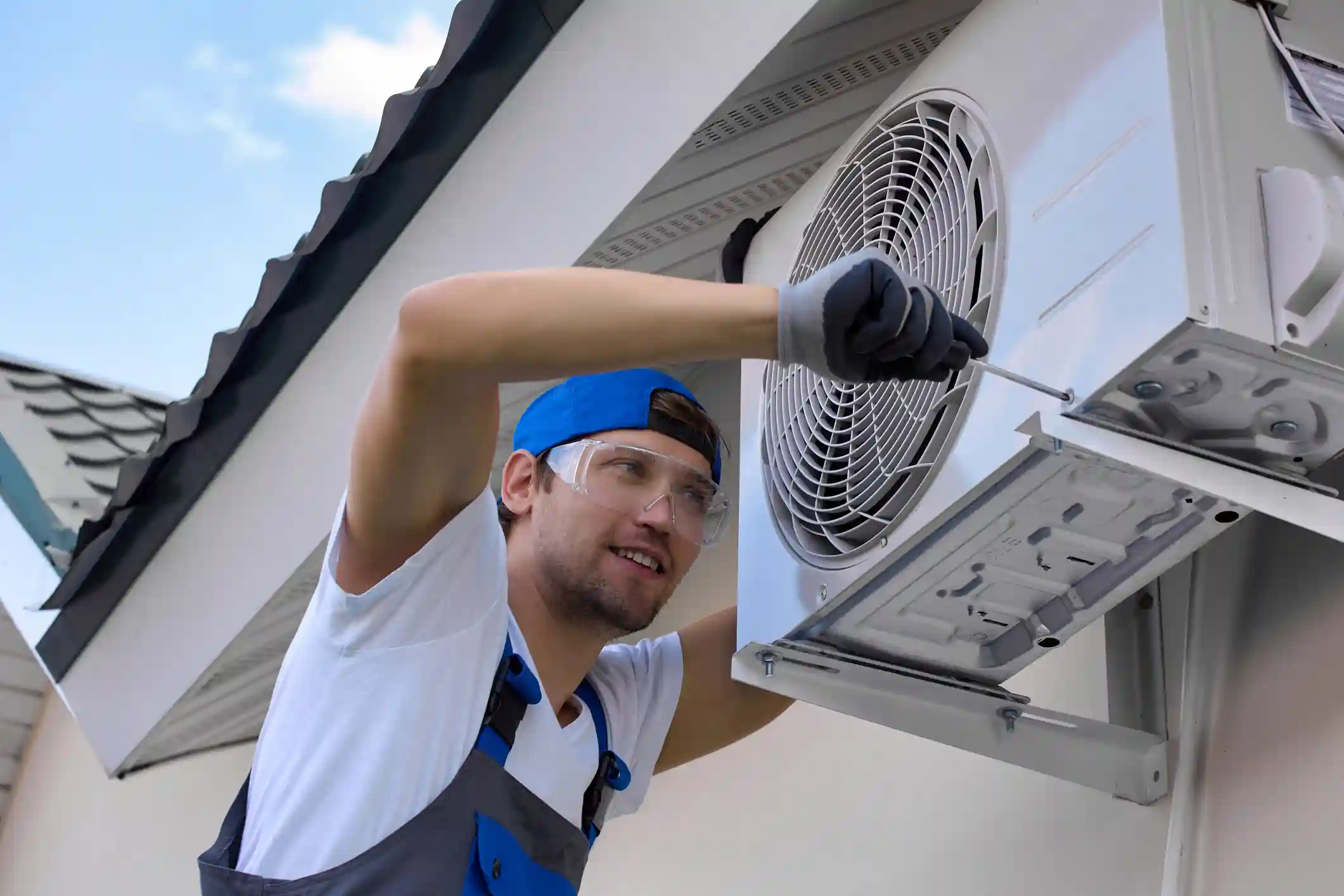
The Installation Process Step-by-Step
A professional installation follows a rigorous protocol to ensure longevity and performance. Cutting corners during this phase is the leading cause of premature system failure. The process is designed to protect your property while establishing a sealed, efficient cooling environment.
- Site Preparation and Protection: Technicians arrive with drop cloths and protective gear to ensure your flooring and landscaping are not damaged. The area around the outdoor unit is cleared of debris, and the indoor workspace is prepped for safe removal of the old equipment.
- Safe Removal and Disposal: The existing refrigerant must be recovered into approved reclamation cylinders according to EPA regulations. Venting refrigerant into the atmosphere is illegal and harmful. Once the system is empty, the old condenser and coil are disconnected and removed from the property for proper recycling.
- Positioning the New Equipment: A new composite pad is often placed outdoors to ensure the condenser sits level and is elevated off the ground, protecting it from snow accumulation and rainwater. The indoor coil is fitted onto your furnace or air handler, ensuring a tight seal to prevent air leakage.
- Brazing and Sealed Line Sets: The copper refrigerant lines connecting the indoor and outdoor units are brazed using nitrogen purging. This step prevents oxidation inside the pipes, which can later clog sensitive valves. A vacuum pump is then used to remove all moisture and air from the lines before the new refrigerant is released.
- Electrical and Drain Connections: High-voltage wiring is connected to a safety disconnect box, and low-voltage control wiring is run to the thermostat. Condensate drain lines are installed with proper sloping and safety switches to prevent water damage in case of a blockage.
- System Startup and Commissioning: The system is powered on, and technicians monitor pressures, amperage, and airflow. Adjustments are made to the refrigerant charge to match the manufacturer's subcooling and superheat specifications.
Deciding When to Replace vs. Repair Your AC
Determining whether to sink more money into an aging system or invest in a replacement is a financial and comfort-based calculation. There are clear indicators when a repair is no longer the prudent choice.
- The Age of the Unit: Most air conditioners have a lifespan of 10 to 15 years. If your unit is approaching or has surpassed this range, major components like the compressor are at higher risk of failure. Investing in a major repair for a unit at the end of its life is rarely cost-effective.
- The 50% Rule: A general guideline used in the industry is the 50% rule. If the cost of the necessary repair approaches 50% of the value of a new system, replacement is the smarter financial move. This is especially true if the unit has had other breakdowns recently.
- Refrigerant Type: Older systems utilize R-22 (Freon), which has been phased out due to environmental regulations. Supplies of R-22 are dwindling and extremely expensive. If your older unit has a refrigerant leak, topping it off may cost nearly as much as a down payment on a modern R-410A or R-454B system.
- Declining Efficiency and Comfort: If your energy bills are steadily rising despite usage remaining the same, the unit is losing efficiency. Additionally, if the system struggles to keep up on the hottest days or fails to dehumidify the home effectively, it is a sign that the compressor or coils are degraded.
- Frequency of Breakdowns: One repair is manageable, but if you are calling for service multiple times a season, the cumulative cost of service calls and parts often exceeds the monthly cost of financing a new unit with a warranty.
Local Factors Affecting Installations in Indiana
Installing an air conditioner in Schererville requires attention to specific regional factors. The local climate and regulatory environment dictate how systems must be configured and installed to ensure compliance and comfort.
- Handling High Humidity: The region experiences significant humidity during the summer months. An AC unit here must do more than just lower the temperature; it must effectively remove moisture from the air. This often requires specific airflow settings and the use of thermal expansion valves (TXVs) to modulate refrigerant flow based on load.
- Permitting and Code Compliance: Lake County and local municipalities have specific building codes regarding HVAC installations. This includes requirements for electrical disconnects, working space clearance around the electrical panel, and proper support for outdoor units. Professional installers handle the permit application process to ensure the work passes all necessary inspections.
- Electrical Infrastructure: Older homes in the area may have outdated electrical panels that cannot support the amperage requirements of modern central air systems. Part of the installation assessment involves checking the breaker panel capacity and upgrading the circuit if necessary to prevent fire hazards.
- Utility Rebates and Incentives: Local utility providers often offer rebates for upgrading to high-efficiency systems. These programs are designed to reduce the load on the electrical grid during peak summer usage. To qualify, equipment must meet specific SEER2 and EER2 benchmarks, and the installation must be performed by a qualified contractor.
- Weather Protection: Given the harsh winters, the outdoor unit needs to be installed in a location where it is protected from falling ice from rooflines. Additionally, proper clearance from dryer vents is necessary to prevent lint buildup on the condenser coils, which causes the system to overheat.
Why Technical Expertise is Critical for Performance
The brand of equipment you choose is secondary to the quality of the installation. A top-tier unit installed poorly will perform worse than a mid-range unit installed correctly. Technical precision determines the efficiency, noise level, and lifespan of the system. Mr. Freeze Heating & Cooling prioritizes the technical details that are often overlooked but crucial for long-term performance.
- Airflow Management: Ductwork is the circulatory system of your HVAC setup. If the ducts are undersized or leaking, the cold air you are paying for ends up in your attic or crawlspace. Technicians assess static pressure to ensure the blower motor is not overworking, which prevents premature burnout.
- Refrigerant Charge Accuracy: A system that is undercharged or overcharged by just 10% can lose significant efficiency and cooling capacity. Technicians use digital gauges and temperature clamps to dial in the charge to the exact ounce required by the manufacturer.
- Proper Venting: For gas furnaces that share the same cabinet as the AC coil, ensuring the venting is not compromised during the installation is a critical safety step. This prevents carbon monoxide issues while ensuring the heating system remains operational for the winter.
- Surge Protection: Summer storms in the Midwest often bring lightning and power surges. Installing surge protectors on the condenser safeguards the sensitive electronic boards and inverter-driven compressors found in modern high-efficiency units.
Choosing the right partner for your air conditioning installation ensures that your home remains a sanctuary against the heat and humidity. From the initial load calculation to the final safety check, every step is executed with precision to maximize the return on your investment. Ensure your home is ready for the heat with a professionally installed cooling system. Schedule your AC installation consultation today to secure efficient, reliable comfort for your home.
Stay Cool All Summer Long
Beat the heat and humidity this summer with a professionally installed air conditioning system from Mr. Freeze Heating & Cooling. Our expert team will guide you through selecting the best AC unit for your Schererville home, ensuring a perfect fit for your comfort and budget. Whether you're replacing an old unit or installing a new system, we provide efficient, reliable service backed by comprehensive warranties and flexible financing options. Don’t let the heat get the best of you—contact us now to schedule your consultation and take advantage of local rebates!