Is Your Home Prepared for the Next Drop in Temperature?
When the bitter cold hits East Chicago, your home heating needs to be both fast and reliable to ensure safety and comfort. Mr.Freeze Heating & Cooling ensures your system is up and running when you need it most, preventing frozen pipes and uncomfortable nights. Call us immediately to schedule your heating installation or to discuss flexible financing options for your new system.
Reliable heating is not a luxury in this region; it is a necessity. You need a partner who understands the urgency of a failed furnace or an outdated boiler in the middle of winter. Our approach focuses on speed, accuracy, and long-term efficiency so you never have to worry about the forecast again.
- Expert installation within 24 hours—ready to handle even the coldest days.
- Comprehensive warranties that guarantee peace of mind year-round.
- Energy-efficient units designed to reduce your heating bills.
Licensed and insured with flexible financing options available—no upfront worries.
Immediate Heating Solutions Available Today
When you invest in a new heating system, you are purchasing more than just a piece of equipment; you are buying the assurance that your home will remain warm regardless of outside conditions. Modern heating installation involves a comprehensive scope of work designed to maximize airflow, energy efficiency, and equipment longevity.
We provide a complete turnkey solution for homeowners facing heating failures or looking to upgrade aging infrastructure. This service includes the safe removal and disposal of your old unit, a thorough inspection of existing ductwork or piping, and the precise calibration of the new system. Whether you require a high-efficiency furnace, a hydronic boiler, or a dual-fuel heat pump, the goal is to restore heat to your property as quickly as possible without cutting corners on safety protocols.
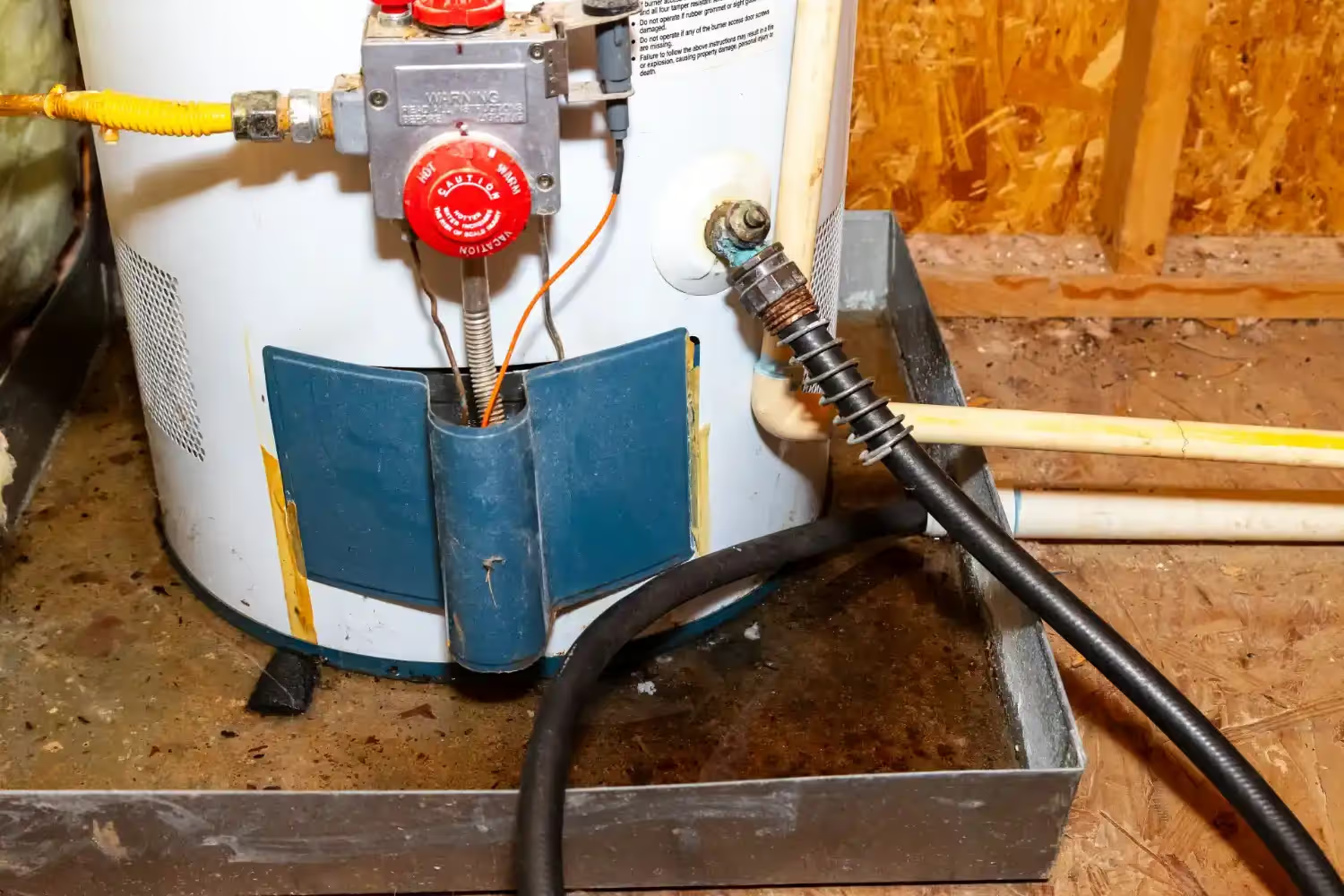
System Options and Efficiency Ratings
Understanding what is being installed is critical for your long-term satisfaction. We install a variety of heating systems tailored to the specific energy needs of your property.
- Forced Air Furnaces: These are the most common systems, utilizing natural gas or electricity to heat air that is distributed through ducts. We focus on units with high Annual Fuel Utilization Efficiency (AFUE) ratings, often exceeding 96%, which means 96% of the fuel is converted to heat while only 4% is lost.
- Boilers and Radiators: For homes with hydronic heating, we install high-efficiency boilers that circulate hot water or steam. Modern boilers modulate their output to match the heating demand, reducing energy waste and providing consistent warmth without the dryness associated with forced air.
- Heat Pumps: These systems move heat rather than generating it, offering an efficient solution for both heating and cooling. Modern heat pumps are capable of operating effectively even in lower temperatures, making them a viable option for the shoulder seasons and milder winter days in Indiana.
The Installation Process: From Assessment to Ignition
A heating system is only as good as its installation. Even the most expensive, top-of-the-line furnace will fail prematurely or operate inefficiently if it is sized incorrectly or installed without attention to detail. Our process is rigorous and follows manufacturer specifications strictly to protect your warranty and ensure safety.
Step 1: Accurate Sizing and Load Calculation
Before any equipment is ordered, we perform a detailed load calculation. This goes beyond simply checking the square footage of your home.
- We analyze insulation levels in the attic and walls.
- We measure window surface area and orientation regarding sunlight.
- We inspect the tightness of the building envelope to account for air infiltration.
- We determine the exact British Thermal Unit (BTU) output required to heat the home efficiently without "short cycling" (turning on and off too frequently).
Step 2: Site Preparation and Safety Checks
Once the correct unit is selected, the physical work begins. Safety is the priority during this phase, particularly when dealing with natural gas and high-voltage electricity.
- Technicians disconnect gas lines and electrical supplies adhering to local safety codes.
- The old unit is removed carefully to prevent damage to the surrounding area.
- The existing plenum (the box connecting the furnace to the ducts) is inspected for leaks or damage.
- Flue pipes and venting systems are checked to ensure they meet the requirements of high-efficiency units, which often require PVC venting rather than traditional metal flues due to condensation.
Step 3: Equipment Placement and Connection
The new unit is positioned, leveled, and secured. Vibration pads may be installed to reduce noise during operation.
- Gas lines are reconnected and tested for leaks using specialized detection fluid or electronic sniffers.
- Electrical wiring is terminated and checked for proper voltage and grounding.
- The thermostat is wired and updated if necessary to communicate effectively with the new technology.
- Condensate drain lines are installed for high-efficiency condensing furnaces to route moisture away from the unit and the home’s foundation.
Step 4: System Startup and Commissioning
The final step is not just flipping a switch; it is a tuning process.
- The system is fired up, and technicians measure the temperature rise (the difference between the air entering and leaving the furnace) to ensure it falls within the manufacturer’s specified range.
- Gas pressure is adjusted at the manifold to ensure optimal combustion.
- Airflow is measured to guarantee that every room receives the correct amount of heat.
- The homeowner is walked through the operation of the new system, including how to change filters and program the thermostat.
Determining When to Replace vs. Repair
Homeowners often struggle with the decision of whether to pour more money into a failing system or to invest in a replacement. While repairs can be cheaper upfront, they are often a temporary fix for a terminal issue. Making the right financial decision requires looking at the age of the unit, the cost of operation, and the frequency of breakdowns.
The 50% Rule and Age Factor
Industry standards suggest that if the cost of a repair approaches 50% of the value of a new system, replacement is the more creative financial choice. Furthermore, the average lifespan of a furnace is between 15 and 20 years. If your unit is approaching or has surpassed this age range, parts may become obsolete, and major components like the heat exchanger are at higher risk of cracking.
Rising Energy Bills
If your heating bills have increased significantly despite usage remaining the same, your system has likely lost efficiency. As internal components wear down, the system must work harder and run longer to maintain the set temperature. Investing in a modern system can often lower monthly utility bills enough to offset the installation cost over time.
Comfort and Air Quality Issues
A failing system often struggles to distribute heat evenly. If you notice cold spots in certain rooms, frequent temperature fluctuations, or excessive dust and dryness, the system may no longer be capable of handling the home's load. A new installation corrects these airflow issues and improves indoor air quality.
Safety Concerns
Older units, particularly those that have not been maintained, pose safety risks. Cracked heat exchangers can leak carbon monoxide into the living space. If a technician identifies a safety hazard that requires an expensive repair, replacement is almost always the safer and more responsible option.
Local Considerations for Heating in the Region
Installing a heating system in East Chicago requires specific knowledge of the local climate and regulatory environment. The winters here are characterized by significant snowfall and temperatures that frequently drop well below freezing. This environment places a heavy load on heating equipment, meaning that units must be sized aggressively enough to handle "design days"—the coldest days of the year—without being so oversized that they lose efficiency during milder weather.
Permitting and Code Compliance
All new heating installations must comply with local building codes and safety regulations. This ensures that the gas piping, electrical connections, and venting meet the strict standards required for residential safety.
- We handle the acquisition of all necessary permits required by the municipality.
- We ensure compliance with utility provider standards (such as NIPSCO) regarding gas line connections and meter capacity.
- We adhere to local restrictions regarding noise levels for outdoor heat pump units.
- We verify that venting clearances meet code requirements to prevent exhaust from re-entering the home through windows or intakes.
Dealing with Humidity and Lake Effects
The proximity to Lake Michigan influences the local climate, bringing high humidity in the summer and potential dampness in the winter. Mr.Freeze Heating & Cooling accounts for this by recommending systems that pair well with humidifiers or dehumidifiers. Proper humidity control protects the home's structure and makes the indoor air feel warmer, allowing you to set the thermostat lower while maintaining comfort.
Seasonal Timing
While we offer emergency replacement services throughout the winter, the ideal time for installation is during the early fall. This proactive approach ensures you are not left without heat during a sudden freeze and allows for more flexible scheduling. However, when an emergency strikes in January or February, our teams are equipped to perform safe installations despite snow and ice, ensuring your home is not exposed to the elements for long.
Why Professional Installation Matters
Choosing the right contractor is just as important as choosing the right brand of furnace. A high-quality installation ensures that the equipment operates at its rated efficiency and lasts for its intended lifespan. Poor installation practices are the leading cause of premature system failure and voided manufacturer warranties.
Upfront Pricing and Transparency
We believe in providing clear, comprehensive quotes before any work begins. There are no hidden fees for removal, disposal, or necessary ductwork modifications. You will know exactly what the project entails and what the final cost will be, allowing you to make an informed decision without pressure.
Technical Expertise
Our technicians undergo continuous training to stay updated on the latest heating technologies, including smart thermostats, variable-speed blowers, and modulating gas valves. This expertise ensures that your system is not just installed, but optimized for your specific home layout. We do not rely on "rule of thumb" estimates; we rely on building science and technical data.
Long-Term Protection
We stand behind our craftsmanship. Beyond the manufacturer's warranty on parts, we provide guarantees on our labor. This means that if an issue arises due to the installation process, we return to fix it. Our goal is to build a relationship that lasts the lifetime of your system, from the day of installation to regular annual maintenance.
Secure Your Comfort for the Winter
Don't wait until the first blizzard to realize your heating system isn't up to the task. A reliable, efficient heating system is the cornerstone of a safe and comfortable home during the winter months. Whether you are building a new home or replacing a failing unit, professional installation is the key to decades of worry-free warmth.
If you are ready to upgrade your home’s comfort and efficiency, or if you are facing an emergency breakdown, take action now. Contact us today to schedule your heating installation assessment.