
Immediate Heat Pump Installation and Maintenance Services
Dealing with a failing HVAC system while temperatures drop in East Chicago can quickly turn a minor inconvenience into a major disruption for your household. When your current system struggles to maintain consistent temperatures against the harsh winds off Lake Michigan or the humid continental summer heat, you need a solution that guarantees efficiency and reliability. Contact us today to schedule your consultation or discuss financing options for a new system.
Mr.Freeze Heating & Cooling specializes in installing high-performance heat pumps designed to handle the unique climate challenges of the region. Whether you are upgrading from an inefficient furnace or replacing an old air conditioner with a versatile dual-purpose unit, our team ensures the job is done right the first time.
- Ensure your home remains comfortable year-round with professional installation that accounts for load calculation and local weather patterns.
- Experience less downtime with our prompt service designed to restore your climate control immediately.
- Benefit from our transparent pricing structures and no hidden costs, giving you full financial clarity before work begins.
All installations are fully licensed, insured, and come with a comprehensive warranty for peace of mind.
Comprehensive Heat Pump Solutions for Your Home
A heat pump installation is more than just swapping out a box outside your home; it is a complete upgrade to your property’s thermal envelope and energy management system. Residents in East Chicago, IN, require equipment that can switch seamlessly between removing humidity during muggy summers and providing consistent warmth during freezing winters. Our service covers every technical aspect required to bring your home up to modern efficiency standards.
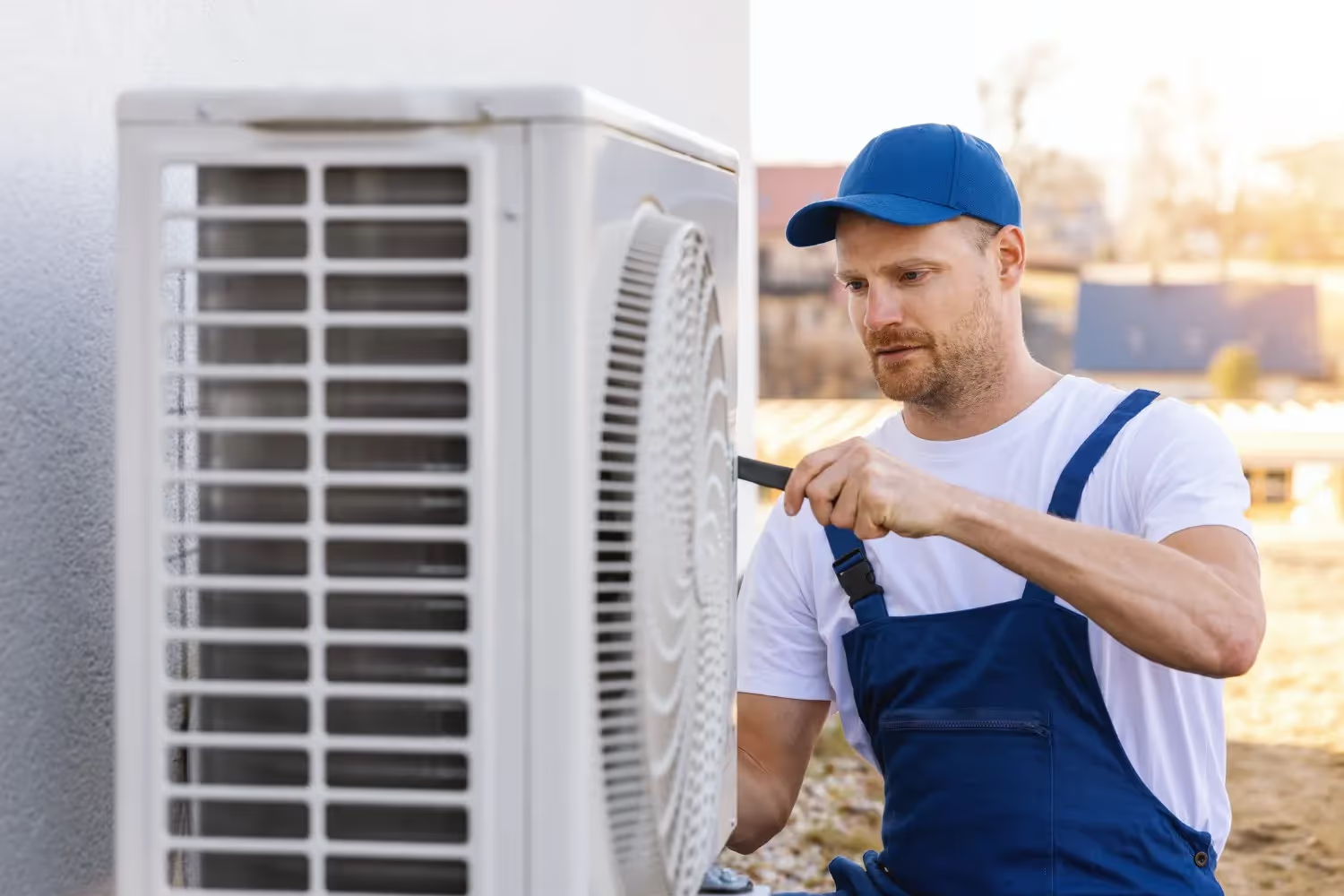
What is Included in the Installation
When you commission a new system installation, you receive a turnkey solution. The scope of work involves a detailed assessment of your current infrastructure to determine compatibility. This includes:
- Load Calculation: We perform precise calculations to determine the exact heating and cooling load of your home. This prevents "short-cycling" (a unit that is too big) or constant running (a unit that is too small), ensuring the system runs efficiently.
- Site Preparation: We prepare the installation site, which includes leveling the ground for the outdoor condenser unit and ensuring there is adequate clearance for airflow.
- Ductwork Inspection: Existing ductwork is inspected for leaks or insulation gaps. Heat pumps rely on efficient airflow; leaky ducts can reduce system efficiency by up to 30%.
- Electrical Upgrades: Heat pumps often require specific electrical circuits. We verify your panel’s capacity and install the necessary disconnect boxes and wiring to meet local safety codes.
- Refrigerant Line Set Installation: We install properly sized copper refrigerant lines that connect the indoor air handler to the outdoor compressor, ensuring the system is sealed and pressure-tested.
- Thermostat Calibration: We install and program smart thermostats or control interfaces that optimize the heat pump’s operation, often utilizing auxiliary heat settings for the coldest nights.
The Advantage of Dual-Fuel Capability
In regions like ours, temperatures can occasionally drop below the efficient operating range of a standard air-source heat pump. In these scenarios, we often recommend and install dual-fuel systems. This setup pairs an electric heat pump with a gas furnace. The heat pump handles the bulk of the heating workload during moderately cold days (above freezing), which is the most cost-effective method. When the temperature plummets significantly, the system automatically switches to the gas furnace to provide high-capacity heat. This hybrid approach maximizes savings without sacrificing comfort during extreme weather events.
The Installation Process Step-by-Step
Understanding the installation timeline helps you prepare your home and schedule accordingly. We prioritize efficiency and cleanliness, ensuring minimal disruption to your daily routine. While every home has unique characteristics, the general workflow follows a strict protocol to ensure manufacturer specifications are met.
- Initial Assessment and Sizing: The process begins with a technical audit. Technicians measure windows, insulation levels, square footage, and orientation to the sun. This data is input into industry-standard software to select a unit with the correct SEER2 (cooling efficiency) and HSPF2 (heating efficiency) ratings for your specific layout.
- Safe Removal of Existing Equipment: If replacing an old unit, technicians first pump down and recover any existing refrigerant according to EPA regulations. The old unit is disconnected electrically and physically removed. All debris and old equipment are hauled away for proper recycling or disposal.
- Indoor Unit Installation: The indoor evaporator coil and air handler (or furnace connection) are installed. This step requires precision in connecting the unit to the existing plenum and supply ducts. If the system is a ductless mini-split, the indoor heads are mounted securely to the walls at this stage.
- Outdoor Unit Setup: The outdoor compressor is positioned on a composite or concrete pad. This pad isolates vibration and keeps the unit above potential snow accumulation levels, which is critical for maintaining airflow during winter operation.
- Line Set and Electrical Connection: Technicians braze the copper refrigerant lines using nitrogen to prevent oxidation inside the pipes. High-voltage wiring is connected from the disconnect box to the unit, and low-voltage control wires are run to the thermostat.
- Vacuum and Charge: A deep vacuum is pulled on the lines to remove all moisture and non-condensables. Once the vacuum holds, the factory-specified amount of refrigerant is released or weighed into the system.
- Final Commissioning: The system is powered on and tested in both heating and cooling modes. Technicians measure static pressure, temperature split (the difference between air entering and leaving the unit), and amperage draw to certify the system is operating within peak parameters.
Deciding Between Repair and Replacement
Homeowners often grapple with the decision of whether to invest in repairs for an aging system or to commit to a full replacement. While repairs can offer a short-term fix, there are specific technical and financial indicators that suggest a replacement is the more prudent investment.
The 50% Rule and Financial Logic
A common industry standard is the "50% Rule." If the cost of a necessary repair approaches 50% of the value of a new system, replacement is generally recommended. Additionally, if the cost of the repair multiplied by the age of the unit (in years) exceeds $5,000, a new unit is often the smarter financial choice.
Refrigerant Considerations
Older systems often utilize R-22 refrigerant (Freon), which has been phased out due to environmental regulations. If your current system has a refrigerant leak and relies on R-22, the cost of recharging the system is prohibitively expensive. Modern heat pumps use R-410A or newer, eco-friendly refrigerants that are readily available and efficient.
Frequency of Breakdowns
If you have required service calls more than twice in the last two years, the system is likely nearing the end of its reliable lifespan. Components in HVAC systems tend to fail in succession; replacing a compressor today does not guarantee the fan motor won't fail next month.
Energy Bills and Comfort Issues
A distinct rise in utility bills without a change in usage habits indicates a loss of efficiency. As internal components wear, motors must work harder and coils transfer heat less effectively. Furthermore, if you notice uneven heating or cooling—where some rooms are freezing while others are stuffy—this often points to a system that is no longer capable of generating adequate pressure to distribute air throughout the ductwork.
Local Installation Factors for East Chicago
Installing a heat pump in East Chicago, IN, requires specific attention to regional variables that generic installation guides often overlook. The local climate and infrastructure dictate specific requirements for a successful installation.
Handling Lake Effect Weather
Proximity to Lake Michigan creates a microclimate that includes high humidity in the summer and heavy, wet snow in the winter.
- Snow Stands: Outdoor units must be elevated on "snow legs" or risers. This prevents snow accumulation from blocking the airflow around the coil, which would otherwise cause the unit to freeze up and shut down during the heating cycle.
- Defrost Boards: We configure defrost control boards to handle higher moisture levels. Heat pumps naturally frost over in winter and run a defrost cycle; in high-humidity lake regions, these settings must be optimized to prevent ice buildup without wasting energy.
Electrical and Structural Considerations
Many homes in the area have older electrical infrastructure. Heat pumps, particularly those with electric backup strips, have significant amperage requirements.
- Panel Capacity: We verify if your main electrical panel can handle the additional load. In some older properties, a service upgrade to 200 amps may be necessary to support a modern HVAC system safely.
- Ductwork Insulation: Because basements and attics in the region can become quite cold, we inspect ductwork insulation. Uninsulated ducts running through unconditioned spaces can lose significant heat before it reaches your living areas, forcing the heat pump to work harder than necessary.
Permits and Compliance
Local building codes strictly regulate HVAC modifications to ensure safety and energy efficiency.
- Permit Acquisition: We manage the application and filing of all necessary mechanical and electrical permits required by the city.
- Code Compliance: This includes adhering to requirements regarding disconnect box location, wire gauge sizing, and refrigerant handling procedures.
- Rebate Eligibility: Correct permitting and installation by a licensed contractor are often prerequisites for qualifying for local utility rebates or federal tax credits under current energy efficiency laws.
Why Professional Execution Matters
The longevity and efficiency of your heat pump are directly tied to the quality of the installation. Studies indicate that improper installation can reduce system efficiency by up to 30%, negating the benefits of buying high-efficiency equipment.
Precision Sizing vs. Rule of Thumb
Mr.Freeze Heating & Cooling rejects "rule of thumb" sizing. An oversized unit will cool the room too quickly, shutting off before it has removed the humidity, leading to a clammy, uncomfortable home. An undersized unit will run continuously, driving up electric bills and wearing out components prematurely. We utilize data-driven sizing protocols to ensure the equipment matches the thermal profile of your home exactly.
Advanced Diagnostics and Tools
We utilize digital manifolds and micron gauges to measure systems down to the precise vacuum levels required by manufacturers. This prevents moisture from remaining in the lines, which is the leading cause of compressor failure and acid formation in the oil. Our technicians are trained on the latest variable-speed inverter technology, ensuring that high-tech equipment is programmed to deliver the modulation and energy savings it was designed for.
Commitment to Safety
Heat pump installation involves high-voltage electricity and high-pressure refrigerants. We adhere to strict safety protocols to protect your home and family. This includes using nitrogen during brazing to keep lines clean, ensuring proper grounding of all electrical connections, and testing all gas connections for dual-fuel systems to prevent leaks.
Secure Your Comfort Today
A modern heat pump offers a streamlined, energy-efficient solution for both heating and cooling, eliminating the need for separate systems and reducing your carbon footprint. Whether you are dealing with an emergency breakdown or proactively upgrading your home’s energy profile, professional execution is the key to long-term performance.
Don't let the weather dictate your indoor comfort. Contact us now to schedule your heat pump installation and ensure your home is prepared for whatever the season brings.