Is Your Air Conditioner Ready for the Lansing Weather?
Facing issues with your AC during extremes of the Lansing climate can be daunting, especially when humidity spikes and temperatures climb. Whether it’s emergency repairs in the dead of summer or maintenance checks before the winter chills set in, timely professional help is crucial. Contact us today to schedule your comprehensive diagnostic or repair service.
Mr. Freeze Heating & Cooling understands that when your cooling system fails, you need an immediate, technical solution, not a sales pitch. Our technicians arrive ready to troubleshoot complex mechanical failures, address refrigerant leaks, and resolve electrical issues that prevent your home from staying cool. We focus on restoring efficiency and comfort quickly.
- Rapid, same-day service ensures less downtime for your home cooling system.
- Full compliance with local HVAC codes for peace of mind and safety.
- Flexible financing options to manage unexpected repair or replacement expenses.
Licensed and fully insured, with comprehensive warranties and straightforward financing available.
What You Can Expect From Our AC Service
When you book a service appointment in Lansing, IL, you are engaging a team that focuses on the root cause of the problem rather than applying a temporary bandage. Air conditioning systems are complex machines involving high-voltage electricity, pressurized refrigerant, and precise airflow calculations. A noise, a leak, or a lack of cold air are often symptoms of deeper mechanical stress.
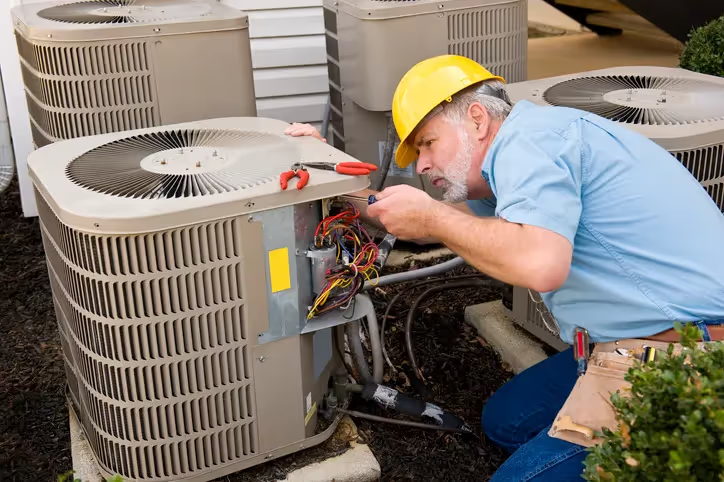
Our service scope is comprehensive, covering every critical component of your central air or ductless system. We do not simply kick the tires; we measure performance metrics against manufacturer specifications to ensure the unit operates as intended.
Comprehensive System Diagnostics
The service begins with a thorough diagnostic phase. Technicians utilize advanced gauges and multimeters to read the vital signs of your air conditioner. This includes measuring the superheat and subcooling of the refrigerant to determine if the charge is correct. An undercharged system suggests a leak that must be located and sealed, while an overcharged system can damage the compressor. We check the amperage draw on the compressor and fan motors to identify components that are working too hard and are at risk of imminent failure.
Electrical Component Inspection
Electrical failure is one of the most common reasons for AC downtime in the Lansing area. The capacitor, which acts as a battery to start the compressor, is often the first part to fail during a heatwave. Our service includes testing the microfarad rating of all capacitors. We also inspect the contactor for pitting or burning, tighten all electrical connections to prevent voltage drops, and check the thermostat calibration to ensure your indoor temperature matches your settings.
Airflow and Coil Maintenance
Proper airflow is non-negotiable for an efficient system. If the evaporator coil is dirty or frozen, heat transfer cannot occur, and the system will freeze up. We inspect the evaporator and condenser coils for debris, dust buildup, and physical damage. Cleaning these coils is part of keeping the system efficient. Additionally, we check the condensate drain line. In humid Illinois summers, your AC pulls significant moisture from the air. If the drain line is clogged with algae or sludge, it can back up and trigger water damage switches that shut the system down. We clear these lines to prevent water damage and system lockouts.
Step-by-Step AC Service and Repair Process
Understanding the workflow of a professional service call helps homeowners know exactly what is happening in their home. We follow a rigid, process-driven approach to ensure no step is missed and every safety protocol is observed.
- Initial Assessment and Site Protection: The technician arrives and immediately respects your property by wearing shoe covers and laying down drop cloths if necessary. The first step involves listening to the homeowner’s description of the issue—whether it is a strange noise, a smell, or warm air coming from the vents.
- Safety Inspection and Power Disconnect: Before touching any internal components, power is safely disconnected. We verify that all high-voltage circuits are dead to ensure safety. This phase also includes checking the disconnect box and the condition of the breakers serving the HVAC unit.
- Detailed Troubleshooting: Using diagnostic tools, we isolate the faulty component. If the fan isn't spinning, we test the motor windings and the capacitor. If the compressor isn't humming, we check the thermal overload and the start kit. This is a process of elimination based on electrical readings and pressure tests.
- Explanation and Authorization: Once the problem is identified, you receive a clear explanation of the failure. You will be told exactly which part failed, why it failed, and what is required to fix it. No work proceeds without your direct approval.
- Execution of Repairs: The technician replaces the faulty component using OEM or high-quality aftermarket parts carried in the service vehicle. If refrigerant needs to be added, it is weighed in precisely according to factory specs. If a leak is present, a dye test or electronic leak detector is used to pinpoint the source.
- System Testing and Verification: After the repair, the system is powered back on. We do not leave immediately. We monitor the system through a full cycle to ensure the pressures stabilize, the temperature split (the difference between supply and return air) is correct, and the unit cycles off when the thermostat is satisfied.
- Cleanup and Final Report: The work area is cleaned, and old parts are removed for proper disposal. You receive a digital or physical report detailing the services performed, the parts installed, and notes on the overall health of the system.
Making the Call: Repair vs. Replacement
Deciding whether to pour more money into an existing system or invest in a new one is a financial and logical decision. It requires analyzing the age of the unit, the cost of current repairs, and future efficiency gains. Mr. Freeze Heating & Cooling acts as a consultant in this stage, providing data so you can make an informed choice.
The 50% Rule
A general guideline used in the industry is the 50% rule. If the cost of the repair approaches 50% of the value of a new system, replacement is generally the smarter financial move. This is particularly true if the warranty on the existing unit has expired. Spending half the cost of a new unit to patch an old one often leads to diminishing returns, as other components are likely to fail shortly after.
Age and Refrigerant Considerations
Air conditioners in the Lansing region typically last between 10 and 15 years. If your unit is over 12 years old and facing a major repair—such as a compressor replacement—it is rarely worth fixing. Additionally, older units often utilize R-22 refrigerant (Freon), which has been phased out and is exponentially expensive to source. Newer systems use R-410A or A2L refrigerants, which are environmentally safer and more affordable. Upgrading removes the risk of being unable to service the unit in the future due to refrigerant obsolescence.
Efficiency Ratings (SEER2)
Older units may have a SEER (Seasonal Energy Efficiency Ratio) rating of 10 or 12. Modern standards require higher efficiency, often starting at SEER2 13.4 or higher in the north. Moving from a 10 SEER unit to a 16 SEER unit can reduce cooling energy consumption by significant margins. While the upfront cost of replacement is higher, the monthly savings on utility bills in Lansing can offset this cost over the lifespan of the system.
Comfort and Performance Issues
Sometimes an old unit runs but simply cannot keep up with the heat load of the house due to improper sizing or degradation of the compressor valves. If you have hot spots in your home, high humidity levels that the AC can't control, or the unit runs continuously without satisfying the thermostat, repair might not solve the underlying performance issue. In these cases, a replacement allows for resizing the system and inspecting the ductwork to ensure balanced comfort.
Navigating Local HVAC Requirements and Seasonality
Operating an air conditioning system in Lansing, IL, involves specific considerations regarding local climate patterns and municipal regulations. Ignoring these local factors can lead to code violations or suboptimal system performance.
Permitting and Code Compliance
When performing major repairs or replacements, adherence to local building codes is mandatory. Most municipalities requires permits for the installation of new HVAC equipment. This ensures that the electrical connections meet safety standards, the gas lines (if part of a hybrid system) are secure, and the condenser unit is placed the correct distance from the property line. Professional service providers handle the permitting process, ensuring the work passes final inspection. This is critical for insurance purposes and future home sales.
Managing High Humidity
The region experiences significant humidity during the summer months. An air conditioner does more than cool the air; it dehumidifies it. If a system is oversized, it will cool the house too quickly and shut off before it has removed the humidity, leading to a "clammy" feeling indoors. Conversely, an undersized unit will run constantly. Ensuring your system is calibrated to handle the specific latent heat load (humidity) of the area is a key part of our service.
The Importance of Seasonal Maintenance
Because the region experiences four distinct seasons, the transition periods—spring and fall—are critical for HVAC health. The "shoulder seasons" are the ideal time for maintenance. In spring, cleaning the winter debris from the condenser unit is vital. Leaves, cottonwood seeds, and dirt can form a blanket over the coils, restricting airflow and causing the compressor to overheat when the first heatwave hits. Post-winter checks also ensure that rodents haven't chewed through control wires during the colder months when the AC was dormant.
Electrical Grid and Efficiency
Local utility providers often have peak load times during the hottest days of the year. Older, inefficient AC units contribute to grid strain and result in higher peak-pricing bills for homeowners. Ensuring your system has a clean filter and properly functioning capacitors reduces the amperage draw, helping you avoid unnecessary spikes in your electric bill during July and August.
Why Trust Our Technical Expertise
Choosing a service provider goes beyond finding a phone number. It is about finding a partner who values technical accuracy and logistical readiness. We differentiate ourselves through preparation and transparency.
Fully Stocked Mobile Warehouses
One of the biggest frustrations for homeowners is waiting for parts. Our trucks are stocked with a wide inventory of universal and OEM parts, including motors, capacitors, contactors, control boards, and refrigerants. This inventory strategy allows us to complete a high percentage of repairs on the initial visit, restoring your comfort immediately rather than days later.
Transparent Pricing and Process
We believe in removing the mystery from HVAC service. You will receive a breakdown of the work required before any tools are used. We explain the difference between a necessary repair (one that is required for the system to run) and a recommended repair (one that prevents future breakdowns). This empowers you to make decisions that fit your budget and long-term plans for the home.
Technical Training and Certification
HVAC technology changes rapidly with the introduction of inverter-driven compressors, communicating thermostats, and new refrigerant classes. Our technicians undergo regular training to stay ahead of these curves. We do not guess; we test. Every diagnosis is backed by data, whether it is a pressure reading, a temperature differential, or an electrical measurement. This commitment to technical excellence ensures the job is done right the first time.
Warranty and Workmanship Guarantee
We stand behind the quality of our repairs. Service comes with warranties on both parts and labor. If a replaced component fails within the warranty period, we resolve the issue. Choosing a service provider guarantees accountability ensuring that we use only high-quality components and follow best installation practices.
When your cooling system demands attention, you need a team that combines speed, technical precision, and local knowledge. Don't let a minor malfunction turn into a total system failure during the peak of summer. Secure the longevity and efficiency of your air conditioning today.
Schedule Trusted AC Service Before Problems Escalate
Lansing weather is tough on air conditioners, and small issues like weak airflow, failing electrical components, or low refrigerant can quickly turn into major breakdowns when heat and humidity peak. With a process-driven diagnostic approach, code-compliant repairs, and clear recommendations on repair versus replacement, Mr. Freeze Heating & Cooling helps you protect your comfort and your equipment investment through every season. Take control of your home comfort now—contact Mr. Freeze Heating & Cooling to schedule your expert AC service and learn more about reliable HVAC support through Mr. Freeze.
Take control of your home comfort now—contact us to schedule your expert AC service.