
Ensure Your Wine's Perfect Preservation
Fluctuating temperatures and uncontrolled humidity are the silent enemies of any serious wine collection. For collectors in Calumet City, where seasonal shifts range from freezing winters to humid summers, relying on standard air conditioning or passive cooling is often insufficient to protect your investment. Contact us today to schedule a consultation or discuss financing options for your wine cellar project.
Wine is a living entity that requires a stable environment to mature correctly. Without precise climate control, corks can dry out, allowing oxygen to spoil the vintage, or excess moisture can damage labels and introduce mold. Our specialized wine cellar cooling solutions are designed to maintain the delicate balance required for long-term storage:
- Achieve consistent cellar temperature control down to the degree to prevent premature aging.
- Protect wine from spoilage with integrated humidity regulation that keeps corks moist and seals intact.
- Enhance your wine's aging process with state-of-the-art cooling technology designed for continuous, low-vibration operation.
You can rest easy knowing every system comes with full installation support, comprehensive warranties, and available financing options.
Comprehensive Climate Control Solutions for Your Cellar
When you install a dedicated wine cellar cooling system, you are investing in equipment specifically engineered to handle the thermal load of a wine room. Unlike standard residential air conditioners, which are designed to cool air quickly and remove humidity, wine cellar units are built to maintain a specific temperature range (typically 55°F to 57°F) while preserving a relative humidity level between 50% and 70%. In the Calumet City area, achieving this balance requires robust equipment capable of adapting to external weather patterns:
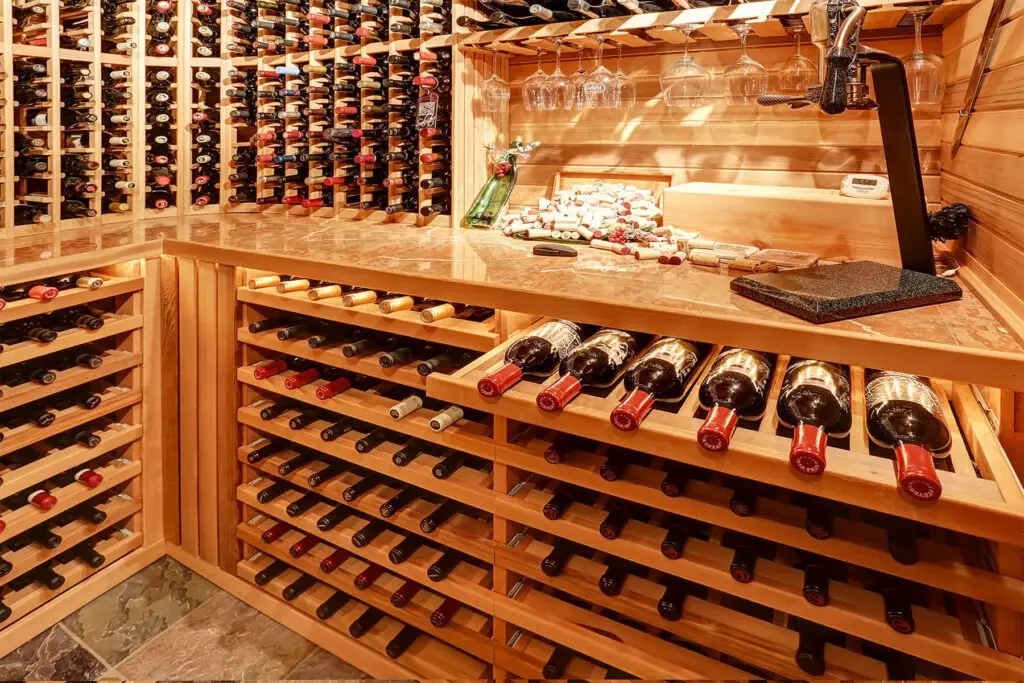
The Components of a Professional System
A proper installation is more than just a cooling unit; it is a complete ecosystem for your wine. Mr.Freeze Heating & Cooling provides systems that address every variable of wine preservation.
- Temperature Stability: The system ensures the temperature does not fluctuate, as rapid changes can cause the wine to expand and contract, pushing air out or pulling it in through the cork.
- Humidity Management: Dedicated units manage moisture levels to prevent corks from shrinking (which causes oxidation) or mold from growing on labels and racking.
- Vibration Elimination: Quality cooling units are designed to minimize vibration, which can disturb the sediment in maturing wines and negatively alter the chemical aging process.
- Air Quality Control: Systems often include filtration to remove odors and contaminants that could penetrate the cork and taint the wine.
Types of Cooling Configurations
We offer various configurations to suit the specific architecture of your home and the size of your collection.
- Self-Contained Through-the-Wall Units: These are cost-effective and relatively easy to install. They mount between the cellar and an adjacent exhaust room. They are ideal for smaller to medium-sized cellars where an adjacent climate-controlled room is available to vent heat.
- Ductless Split Systems: Similar to mini-split ACs, these separate the noisy condenser (placed outside or in a mechanical room) from the quiet evaporator (inside the cellar). This eliminates noise and vibration within the storage area and offers flexibility in installation.
- Ducted Split Systems: These provide the most discreet cooling. The unit is located entirely outside the cellar, and cool air is ducted in through vents. This maximizes racking space and renders the cooling system virtually invisible and silent within the cellar.
- Water-Cooled Systems: For homes where air venting is difficult, water-cooled units use the home’s plumbing or a cooling tower to dissipate heat. This is a highly efficient option for large, complex setups.
How the Installation Process Works
Installing a wine cellar cooling system is a construction project that requires precision and foresight. It differs significantly from installing a standard HVAC unit. The goal is to create a sealed envelope that mimics the conditions of a natural limestone cave:
- Site Assessment and Load Calculation: The process begins with a detailed evaluation of the intended cellar space. Technicians calculate the thermal load based on the room's size, the amount of glass or insulation present, the location of the room (basement vs. above ground), and the desired capacity. This step determines the precise BTU requirements of the cooling unit.
- Vapor Barrier Application: Before any cooling equipment is installed, the room must be sealed. A vapor barrier is essential to prevent moisture migration. Without a proper barrier, humidity from the warmer side of the wall will attempt to migrate to the cooler cellar, leading to condensation, mold growth in the walls, and equipment failure.
- Insulation Implementation: High R-value insulation is installed in the walls, ceiling, and floor. This reduces the workload on the cooling unit, extending its lifespan and ensuring energy efficiency.
- Rough-In and Electrical: Lines sets, drains, and electrical connections are routed to the installation site. For split systems, this involves running copper tubing from the cellar to the condenser location.
- Unit Installation: The cooling unit is securely mounted. For through-the-wall units, this involves framing a precise opening. For split systems, the evaporator is mounted on the wall or ceiling, and the condenser is placed on a pad or bracket outdoors.
- System Charging and Calibration: Once the hardware is in place, the system is pressure tested for leaks. Refrigerant is added, and the unit is powered on. Technicians then calibrate the thermostat and humidistat to the exact parameters required for your specific collection.
- Final Inspection and Walkthrough: The system is run for a test period to ensure temperature stability. You are then walked through the operation of the controls, maintenance requirements, and how to monitor the environment.
When to Repair vs. When to Replace
Deciding between repairing an existing wine cooling unit or replacing it entirely depends on the age of the equipment, the severity of the issue, and the value of the wine at risk. A failing unit is an emergency for a wine collector.
Signs That Repair Is Viable
- Minor Component Failure: If a fan motor, capacitor, or thermostat sensor fails on a relatively new unit (under 5 years old), a repair is usually the most cost-effective solution.
- Refrigerant Leaks (if repairable): Small leaks in accessible areas can sometimes be repaired and recharged, provided the compressor has not been damaged by running low on refrigerant.
- Clogged Drains or Coils: Issues caused by lack of maintenance, such as ice buildup due to dirty coils or water leakage due to a clogged drain line, are typically service calls rather than replacement triggers.
Signs That Replacement Is Necessary
- Compressor Failure: The compressor is the heart of the system. If it fails, especially in a unit older than 7-10 years, the cost of the part and labor often approaches the cost of a new, more efficient unit.
- Inconsistent Temperature Holding: If the unit runs constantly but cannot pull the temperature down to 55°F, it may be undersized or losing efficiency due to age. Running a unit at max capacity continuously will eventually lead to total failure.
- Excessive Vibration or Noise: As units age, internal components wear out and become noisy. Excessive vibration is dangerous for wine. If the unit cannot be silenced through repair, it must be replaced to protect the collection.
- Outdated Refrigerant: Older units utilizing phased-out refrigerants are expensive to service. Upgrading to a modern system ensures compliance and easier maintenance.
- Persistent Humidity Issues: If the unit can no longer strip humidity effectively, or conversely, if it dries the air out too much and lacks integrated humidification controls, replacement with a modern unit offering humidity stabilization is critical.
Local Considerations for Calumet City Installations
Operating a wine cellar in this region presents specific challenges that dictate how systems must be designed and installed. The local climate is categorized by extreme variance, which places unique stress on cooling equipment and the building envelope:
- Winter Ambient Low Control: Winters in Calumet City can drop well below freezing. If the condenser of a split system is located outdoors, it must be equipped with "low ambient" controls. These allow the system to function correctly even when the outside temperature is colder than the inside of the cellar. Without this feature, the compressor can seize or fail to start.
- Heating Capability: In some basement cellars, the passive temperature during deep winter months might drop below 55°F. In these cases, the climate control system must have a heating element to warm the room slightly to maintain the target temperature, preventing the wine from becoming too cold (which can precipitate tartrate crystals).
- Summer Humidity Load: The humid summers create high vapor pressure. This makes the installation of a 6-mil polyethylene vapor barrier on the "warm" side of the insulation non-negotiable. If the vapor barrier is compromised or missing, the cooling unit will strip moisture from the infiltrating air faster than it can drain, leading to ice buildup on the coils and water damage in the cellar.
- Condensate Management: Because the units remove significant moisture during the summer, a reliable condensate drain system is vital. Gravity drains are preferred, but condensate pumps may be necessary depending on the cellar's location relative to the home's plumbing stack.
- Electrical Requirements: Wine cellar cooling units typically require dedicated electrical circuits to prevent tripping breakers, which would shut down the cooling while you are away. We verify your panel capacity to ensure it can handle the startup amperage of the cooling equipment — schedule service today.
Why Specialized Expertise Matters
A wine cellar is not just a cold room; it is a biological vault. General HVAC technicians often approach wine cellars as if they were walk-in coolers or standard air conditioned rooms. This approach fails because standard AC removes humidity aggressively, which is detrimental to corks. Furthermore, standard refrigeration for food storage is designed for 38-40°F, which is far too cold for wine maturation.
We understand the nuance of "sensible cooling" (lowering temperature) versus "latent cooling" (removing moisture). Our technicians are trained to size equipment based on the specific thermal properties of wine bottles and racking, not just square footage. We ensure that the evaporator coils are sized to maintain high humidity while cooling, a balance that standard equipment cannot achieve.
Investing in professional installation protects the thousands of dollars you have invested in your collection. It ensures that when you uncork a vintage ten years from now, it tastes exactly as the winemaker intended. Trusting your cellar to Mr.Freeze Heating & Cooling means securing the legacy of your collection against mechanical failure and environmental unpredictability.
Preserve Every Vintage with Precision Climate Control
Your wine collection deserves more than guesswork and general cooling—it requires expert design, meticulous installation, and technology built specifically for long-term preservation. With tailored solutions that account for Calumet City’s extreme seasonal shifts, Mr.Freeze Heating & Cooling delivers wine cellar cooling systems that safeguard flavor, value, and aging potential year after year. Whether you’re protecting a modest collection or a full cellar investment, professional climate control ensures every bottle matures exactly as intended.
Secure your investment with a climate control system designed for longevity and precision.
Call us now to start planning your custom wine cellar cooling solution.