
Experience Quick and Reliable Heat Pump Installation
Struggling with unexpected heating issues this winter or worried that your current system cannot handle the humidity of a Midwest summer? Ensure your home is comfortable and energy-efficient with our expert heat pump installation services. Crown Point homeowners facing inconsistent temperatures or skyrocketing energy bills can schedule an estimate or discuss financing options by contacting us immediately.
Mr.Freeze Heating & Cooling provides a seamless transition to modern, high-efficiency climate control systems designed to handle both freezing winters and hot summers. We focus on getting your system running correctly the first time so you do not have to worry about callbacks or failures during extreme weather.
- Achieve consistent, cost-effective home heating and cooling year-round.
- Rapid installation process, with same-day service available for urgent needs.
- Boost your home’s energy efficiency and reduce monthly bills.
All installations are performed by certified technicians and include comprehensive warranties for your peace of mind.
What to Expect from a Modern Heat Pump Installation
Installing a heat pump is not merely swapping out a box; it is an upgrade to your home’s entire thermal management system. Unlike traditional furnaces that burn fuel to create heat, a heat pump moves heat. In the summer, it acts exactly like an air conditioner, removing heat from your home to keep it cool and dehumidified. In the winter, it reverses the cycle, extracting heat energy from the outdoor air (even in cold temperatures) and transferring it inside.
For residents in Crown Point, IN, this dual-functionality means you are investing in a single system that handles year-round comfort. When you move forward with an installation today, the scope of work covers the complete integration of this technology into your home’s existing infrastructure.
System Selection and Sizing
The process begins with precise load calculations. A unit that is too large will short-cycle, leading to humidity issues and premature wear. A unit that is too small will run continuously without ever reaching the set temperature. We ensure the system selected matches the specific thermal profile of your home.
Component Integration
Standard installation packages generally include:
- Outdoor Condenser: The primary unit that sits outside your home, responsible for heat exchange.
- Indoor Air Handler: The unit that circulates the conditioned air through your ductwork.
- Refrigerant Lines: Insulated copper tubing that connects the indoor and outdoor units.
- Thermostat Upgrade: Modern heat pumps often require smart or compatible thermostats to manage auxiliary heating and staging effectively.
Efficiency Ratings
Current inventory features high-efficiency units measured by SEER2 (Seasonal Energy Efficiency Ratio) and HSPF2 (Heating Seasonal Performance Factor). Higher ratings indicate lower energy consumption for the same amount of heating or cooling output. We provide clear data on these ratings so you can project your long-term energy savings before installation begins.
The Installation Process: Step-by-Step
A professional installation follows a rigorous protocol to ensure the equipment operates according to manufacturer specifications. While the timeline can vary based on the complexity of the job, most residential installations are completed within a single day.
- Site Preparation and Protection: The technical team arrives and prepares the workspace. This involves laying down floor protection and ensuring a clear path to the installation site. If an existing system is present, the team safely disconnects electrical lines and captures any old refrigerant according to EPA regulations. The old unit is then removed and hauled away for proper recycling.
- Indoor Unit Placement: The indoor air handler or evaporator coil is positioned first. If your home utilizes existing ductwork, the new unit is sealed tightly to the supply and return plenums to prevent air leaks. For ductless configurations, the wall-mounted heads are secured in the designated zones, and small holes are drilled to route the conduit to the exterior.
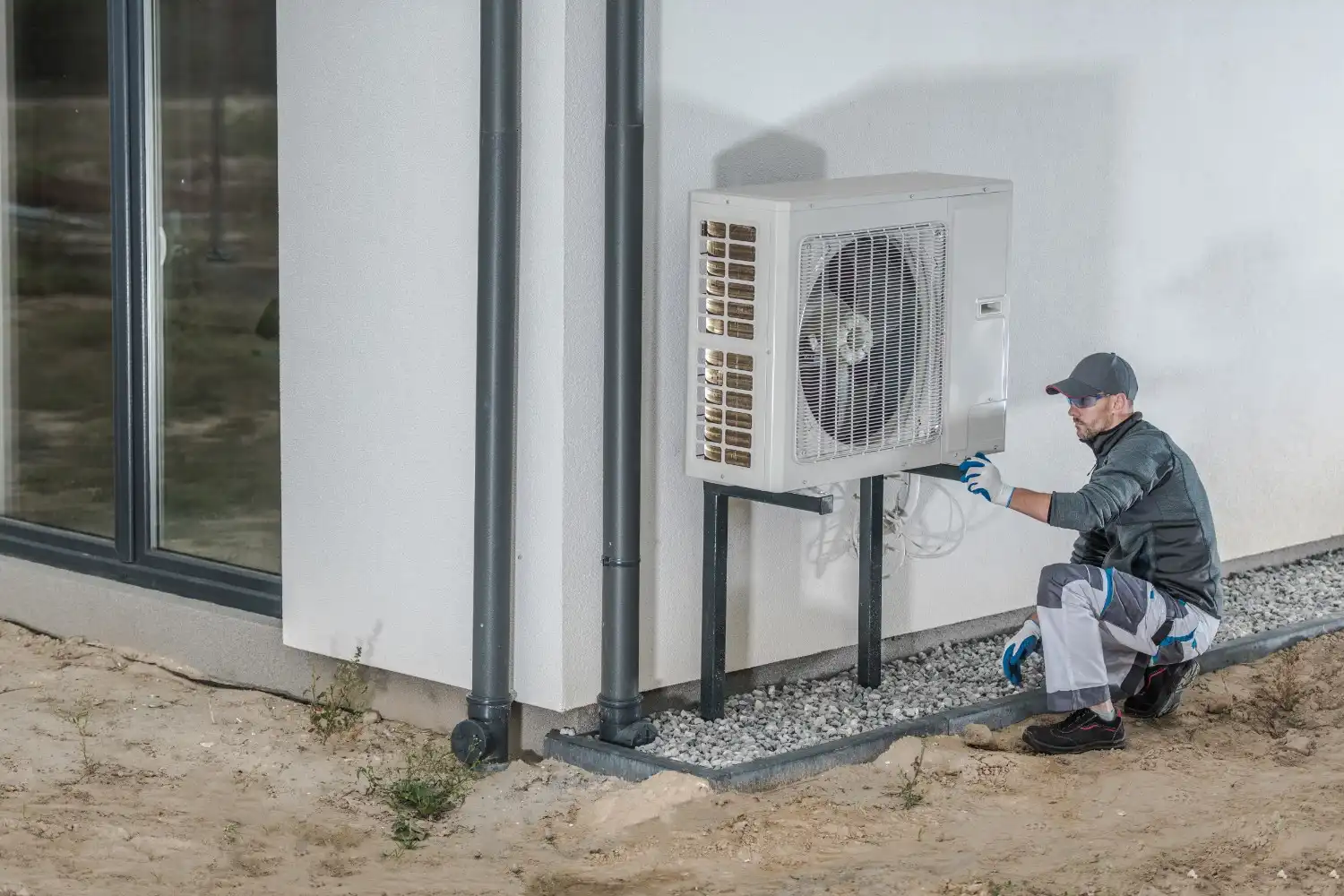
- Outdoor Unit Setup: The outdoor condenser requires a stable, level surface. The team places a composite or concrete pad to keep the unit off the ground, protecting it from snow accumulation and vegetation. The unit is positioned to allow for adequate airflow and service access.
- Connecting the System: Once both units are in place, the refrigerant lines, electrical wiring, and drainage pipes are connected. This is a critical phase where precision matters. The refrigerant lines must be brazed (welded) specifically to prevent leaks. A vacuum pump is used to remove moisture and air from the lines before the refrigerant is released.
- Commissioning and Testing: After the physical installation is complete, the system is powered on. Technicians measure static pressure, airflow, and temperature differentials to verify the system is performing efficiently. The thermostat is programmed, and the homeowner is walked through the basic operation and maintenance requirements.
When to Replace vs. Repair Your Current System
Deciding between repairing an aging system and investing in a new installation is a common dilemma. While repairs might seem cheaper upfront, they can be a financial drain if the system is near the end of its lifecycle. There are clear indicators that signal a replacement is the smarter financial move.
- Age of the Equipment: Heat pumps generally last between 10 and 15 years. If your system is over 12 years old and requires a significant repair—such as a compressor replacement—the cost of the repair often approaches 50% of the value of a new system. At this stage, replacement offers a better return on investment.
- Declining Efficiency and Rising Bills: As components wear, motors work harder, and coils degrade, causing the system to draw more electricity to provide the same level of comfort. If you notice a steady increase in your utility bills despite normal usage, the system has likely lost its efficiency. New models utilize variable-speed technology that drastically reduces energy consumption compared to models from a decade ago.
- Frequency of Breakdowns: The "50% Rule" is a helpful metric: if the cost of repairs times the age of the unit exceeds the cost of a new unit, replacement is recommended. Furthermore, if you have required multiple service calls within the last two seasons, the system is becoming unreliable.
- Comfort Consistency: If certain rooms in your home are always too hot or too cold, or if the unit struggles to maintain the set temperature on extreme weather days, the system may have been undersized originally or has lost compression. A new installation corrects these sizing issues.
Navigating Local Requirements and Climate Factors
Installing a heat pump in Northwest Indiana requires specific attention to regional climate patterns and local building codes. The fluctuating temperatures in Crown Point demand a system that is robust enough for winter lows and efficient enough for summer humidity.
- Cold Climate Performance: In this region, winter temperatures can drop below the operational efficiency range of older heat pump models. Modern systems, often referred to as "cold climate heat pumps," can maintain 100% heating capacity even as temperatures drop towards zero. However, for extreme dips below freezing, installations often include an electric heat strip backup or are configured as a "dual fuel" system, utilizing a gas furnace for the coldest days and the heat pump for the shoulder seasons.
- Permitting and Inspections: Installation usually requires mechanical and electrical permits to ensure the work meets safety standards. This includes verifying that the electrical panel can handle the amperage of the new equipment and that the refrigerant lines are installed safely. Professional installers manage the application and inspection process with local building departments, ensuring the homeowner is not liable for unpermitted work.
- Utility Rebates and Incentives: Various programs encourage the adoption of high-efficiency electric heating. Federal tax credits under the Inflation Reduction Act and potential rebates from local utility providers can significantly offset the initial installation cost. Eligibility often depends on the specific SEER2 and HSPF2 ratings of the equipment installed.
- Electrical Infrastructure: Older homes may need an electrical service upgrade to accommodate a heat pump, especially if switching from a gas-only system. The installation assessment includes checking the breaker panel capacity and wire gauge to prevent electrical hazards.
Why Professional Execution Matters
The longevity and efficiency of a heat pump are determined more by the quality of the installation than the brand of the equipment. A top-tier unit installed poorly will suffer from reduced efficiency, noise issues, and premature failure. Mr.Freeze Heating & Cooling ensures every step of the process is executed with technical precision.
- Ductwork Assessment: Leaky ducts can lead to energy losses of up to 30%. Before installing the new unit, the existing ductwork is inspected for leaks, disconnects, and proper sizing. If the ducts are too small for the airflow requirements of the new heat pump, static pressure builds up, straining the blower motor.
- Refrigerant Charge Accuracy: The volume of refrigerant in the system must be exact. Too much or too little affects the pressure and temperature of the coil, reducing the system's ability to transfer heat. Technicians use digital gauges to dial in the charge according to the manufacturer's sub-cooling and superheat specifications.
- Proper Drainage: Heat pumps generate condensation during the summer cooling cycle and the winter defrost cycle. Proper drainage piping is installed to direct water away from the home’s foundation and critical components. In basements or attics, safety switches are installed to shut the system off if a drain backs up, preventing water damage to ceilings or floors.
- Post-Installation Support: The relationship does not end once the truck drives away. Professional installation is backed by labor warranties that cover any installation-related issues. Additionally, registering the equipment with the manufacturer—a step often handled by the installer—ensures the full term of the parts warranty is active.
Securing Your Home Comfort
Investing in a new heating and cooling system is a significant decision that impacts your home's value and your family's daily comfort. By choosing a heat pump, you are selecting a versatile, energy-efficient solution capable of handling the diverse weather conditions found in Crown Point. Whether you are replacing a failing unit or proactively upgrading to lower your carbon footprint, the goal is a system that runs quietly and reliably in the background.
Proper installation guarantees that you get the efficiency you paid for. From accurate load calculations to the final calibration of the thermostat, every detail contributes to the system's lifespan. Do not settle for subpar heating or inefficient cooling. Secure your installation date and ensure your home remains a sanctuary against the elements.
Ready to upgrade your comfort? Schedule your heat pump installation assessment today.