
Facing Rising Energy Costs and Uneven Temperatures?
Winters in Merrillville often prove too cold for aging furnaces, while summers become stiflingly humid for outdated air conditioners. When your current system fails to keep up with the distinct four-season climate—where temperatures drop into the teens and lake-effect snow piles up—you need a solution that guarantees comfort without inflating your utility expenses. Mr.Freeze Heating & Cooling provides efficient heat pump installations tailored to handle these specific regional demands. [Contact us today at (phone number) to schedule your estimate or ask about our flexible financing options.]
Legacy HVAC systems often struggle to maintain consistent indoor temperatures, leading to hot spots in the summer and drafts in the winter. A modern heat pump resolves these issues by transferring heat rather than generating it, offering a versatile solution for year-round climate control.
- Achieve consistent indoor temperatures regardless of the lake-effect weather outside.
- Reduce monthly energy bills with state-of-the-art, high-efficiency heat pump technology.
- secure quick installation by certified professionals—get your system up and running immediately.
All installations are fully code-compliant with comprehensive manufacturer warranties and flexible financing options available to fit your budget.
Why Merrillville Homeowners Choose Our Heat Pumps
The shift toward heat pump technology is driven by the need for efficiency and versatility. In a region where the weather fluctuates drastically between freezing winters and humid summers, a single system that handles both heating and cooling offers significant advantages. Heat pumps operate by moving thermal energy. During the summer, the system acts like a standard air conditioner, removing heat from your home and transferring it outside. In the winter, the process reverses; the unit extracts latent heat from the outdoor air—even in cold temperatures—and transfers it inside.
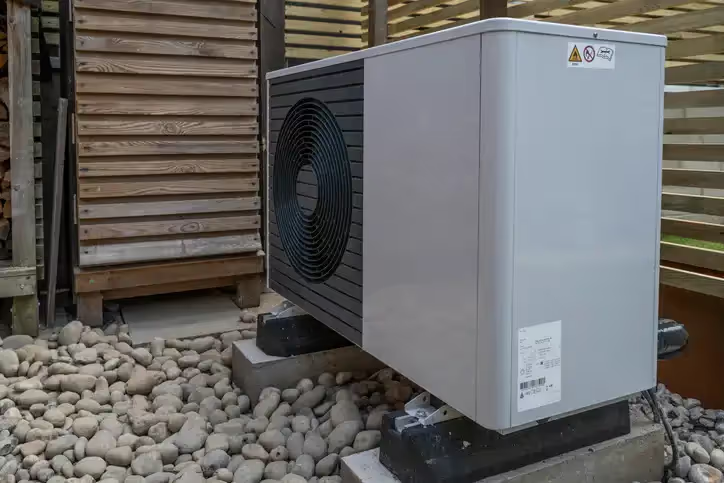
Many homeowners worry about the efficacy of heat pumps during Indiana winters. Modern cold-climate heat pumps are engineered specifically for this environment. Unlike older models that relied heavily on expensive electric resistance backup heat when temperatures dropped, today's systems maintain high efficiency even when the thermometer dips well below freezing. This capability ensures that your home remains warm during heavy snowfall events without the exorbitant fuel costs associated with propane or oil furnaces.
Efficiency is measured by SEER2 (Seasonal Energy Efficiency Ratio) for cooling and HSPF2 (Heating Seasonal Performance Factor) for heating. Higher ratings indicate lower energy consumption for the same amount of comfort. Upgrading to a high-efficiency unit often results in noticeable reductions in monthly utility expenditures, making the initial investment strictly a financial decision for the long term.
Installation Essentials: What is Included and When
When you commission a heat pump installation, clarity on the scope of work is essential. The process is designed to be comprehensive, ensuring that the new system integrates perfectly with your home’s existing infrastructure. The goal is to minimize disruption while maximizing system longevity and performance.
The timeline for a standard installation typically spans one full day, though complex retrofits involving ductwork modification may extend this slightly. The service focuses on a turnkey approach, meaning every aspect of the transition is handled by the technical team.
- Load Calculation and Sizing: The process begins with a Manual J load calculation. This engineering assessment factors in square footage, window types, insulation levels, and local orientation to determine the exact BTUs required for the property.
- Site Preparation: Technicians prepare the outdoor site. This involves leveling the ground and installing a composite pad that elevates the unit. Elevation is critical in Merrillville to ensure the unit remains above anticipated snow accumulation levels, allowing for proper airflow and defrost drainage.
- System Components: The installation includes the outdoor condenser/compressor unit, the indoor air handler (or coil if paired with a furnace), and a new refrigerant lineset if the existing lines are incompatible or damaged.
- Electrical and Safety: A new electrical disconnect box and whip are installed outside for code compliance. Technicians also verify that the breaker panel amperage is sufficient to support the new equipment.
- Thermostat Integration: A compatible smart thermostat or proprietary control interface is installed to manage the dual-fuel or electric-only staging, optimizing the switch between heat pump and backup heat sources.
- Disposal: Removal and environmentally safe disposal of the old equipment and refrigerant are included, ensuring no hazardous materials are left on your property.
The Step-by-Step of Upgrading to a Heat Pump
Understanding the mechanics of the installation day helps set expectations. The technical team follows a rigorous protocol to ensure the system performs according to manufacturer specifications.
- First, the crew arrives to protect the workspace. Drop cloths and floor protectors are placed in high-traffic areas to prevent damage to flooring during the removal of the old unit.
- Next, the existing refrigerant is recovered into certified cylinders. Releasing refrigerant into the atmosphere is illegal and harmful, so this step is handled with strict adherence to EPA regulations.
- Following recovery, the old condenser and indoor coil are disconnected and removed. If the new heat pump is being paired with an existing gas furnace (a dual-fuel system), the furnace is inspected to ensure the heat exchanger is intact and compatible with the new coil.
- The new indoor coil or air handler is then set in place. Technicians fabricate or modify the sheet metal plenum to create an airtight seal between the new equipment and the existing ductwork. Air leaks here can significantly reduce system efficiency.
- Once the indoor unit is secure, the outdoor unit is positioned on the snow-leg-elevated pad. The refrigerant lines (copper tubing) are run between the indoor and outdoor units.
- Technicians then braze the copper lines. This involves using high heat and a nitrogen purge to weld the connections. The nitrogen prevents oxidation inside the pipes, which protects the compressor from future debris damage.
- After brazing, a vacuum pump is attached to the system to evacuate air and moisture. The system must hold a deep vacuum (measured in microns) to prove there are no leaks and no moisture remains in the lines.
- Finally, the refrigerant charge is weighed in according to the manufacturer's sub-cooling and superheat specifications. The system is powered on, and technicians test all modes of operation, including the defrost cycle and emergency heat backup.
Deciding Between Repair or Replacement
Determining whether to repair a struggling HVAC system or invest in a new heat pump is a common dilemma for homeowners. While a quick fix might seem attractive initially, it often leads to higher cumulative costs. Mr.Freeze Heating & Cooling helps homeowners navigate this decision by analyzing the total cost of ownership.
Consider replacement if the following conditions apply:
- Age of Equipment: If the current air conditioner or heat pump is over 10 to 12 years old, it is nearing the end of its useful life. Major component failures, such as a compressor burnout or a cracked coil, are rarely worth fixing on units of this age.
- Refrigerant Type: Older systems utilizing R-22 (Freon) are becoming prohibitively expensive to service due to the phase-out of this refrigerant. Upgrading to a system that uses R-410A or newer refrigerants is a smarter financial move.
- Frequency of Repairs: If you have required repairs more than once in the last two years, the system is likely unreliable. The "50% Rule" is a helpful metric: if the cost of the repair approaches 50% of the value of a new system, replacement is the better option.
- Rising Energy Bills: A steady increase in energy consumption, even with normal usage, indicates that internal components are wearing down and losing efficiency. A new heat pump can reset your energy consumption baseline.
- Comfort Issues: If the system can no longer maintain the set temperature during extreme weather days in Merrillville, or if humidity levels remain high indoors during the summer, the equipment is likely undersized or failing.
Understanding Merrillville's Specific Requirements
Installing a heat pump in this specific area of Indiana requires adherence to local building codes and an understanding of utility infrastructure. Compliance ensures safety and prevents complications when selling the home in the future.
- Permitting and Inspections: Local building departments typically require a permit for HVAC replacements. This process ensures that the installation meets safety standards regarding electrical connections, gas piping (if applicable), and venting. The final inspection validates that the work was performed correctly.
- Electrical Service Upgrades: Heat pumps, particularly those with electric resistance backup strips, can draw significant power. Older homes with 100-amp service panels may require an upgrade to 200-amp service to accommodate the load. This is assessed during the initial consultation.
- Rebates and Incentives: Various programs often exist to encourage the adoption of high-efficiency heat pumps. These may include federal tax credits under the Inflation Reduction Act or local rebates from utility providers like NIPSCO. Qualifying for these incentives requires the equipment to meet specific SEER2 and HSPF2 benchmarks.
- Snow and Ice Management: Because the outdoor unit requires airflow to operate, placement is critical. It must be located away from roof drip lines where melting snow could refreeze on the unit, causing fan damage. Furthermore, the unit must be raised on "snow legs" or a stand to prevent it from being buried during heavy lake-effect snowstorms.
- Defrost Cycle Drainage: When the heat pump runs in heating mode, it will occasionally enter a defrost cycle to melt ice off the outdoor coil. This produces water. Proper drainage must be established so this water flows away from the foundation and does not create an ice slip hazard on walkways or driveways.
Our Commitment: Local Expertise and Reliable Service
Selecting the right contractor is as important as selecting the right equipment. The longevity of a heat pump is directly tied to the quality of the installation. A system that is poorly charged or improperly sized will never achieve its rated efficiency and will fail prematurely.
We prioritize technical precision and adherence to industry best practices. Selecting the right contractor ensures that your specific challenges presented by local architecture and climate conditions are met with expertise. From calculating the precise heating load required for a drafty older home to navigating tight mechanical rooms in modern builds, the focus remains on delivering a technically superior installation.
Safety protocols are strictly followed throughout the project. This includes gas safety checks for dual-fuel systems, proper grounding of electrical components, and the use of protective gear to ensure a safe working environment. Upon completion, the workspace is left clean, and the homeowner is provided with a full walkthrough of the new system’s operation, including how to program the thermostat for maximum savings and how to change filters.
Investing in a heat pump is an investment in the long-term comfort and value of your property. By choosing a professional installation, you ensure that your home remains a sanctuary against the elements, regardless of what the forecast holds.
Ready to upgrade your home comfort and lower your energy costs? Contact us today to schedule your comprehensive heat pump assessment and installation.